Burglars often enter homes through weak points like doors, windows, and garages. This article explains how burglars enter homes and gives tips on securing these areas.
Key Takeaways
- The majority of burglaries occur through unsecured doors and windows, emphasizing the need for robust locking mechanisms and regular security inspections.
- Common entry points include front and back doors, garages, and first-floor windows; reinforcing these areas with security measures can significantly reduce the risk of break-ins.
- Burglars often utilize social engineering and technology to exploit vulnerabilities, so homeowners should remain vigilant and avoid sharing personal information online that could indicate when they are away.
Front Door Vulnerabilities
How burglars enter homes – key takeaways
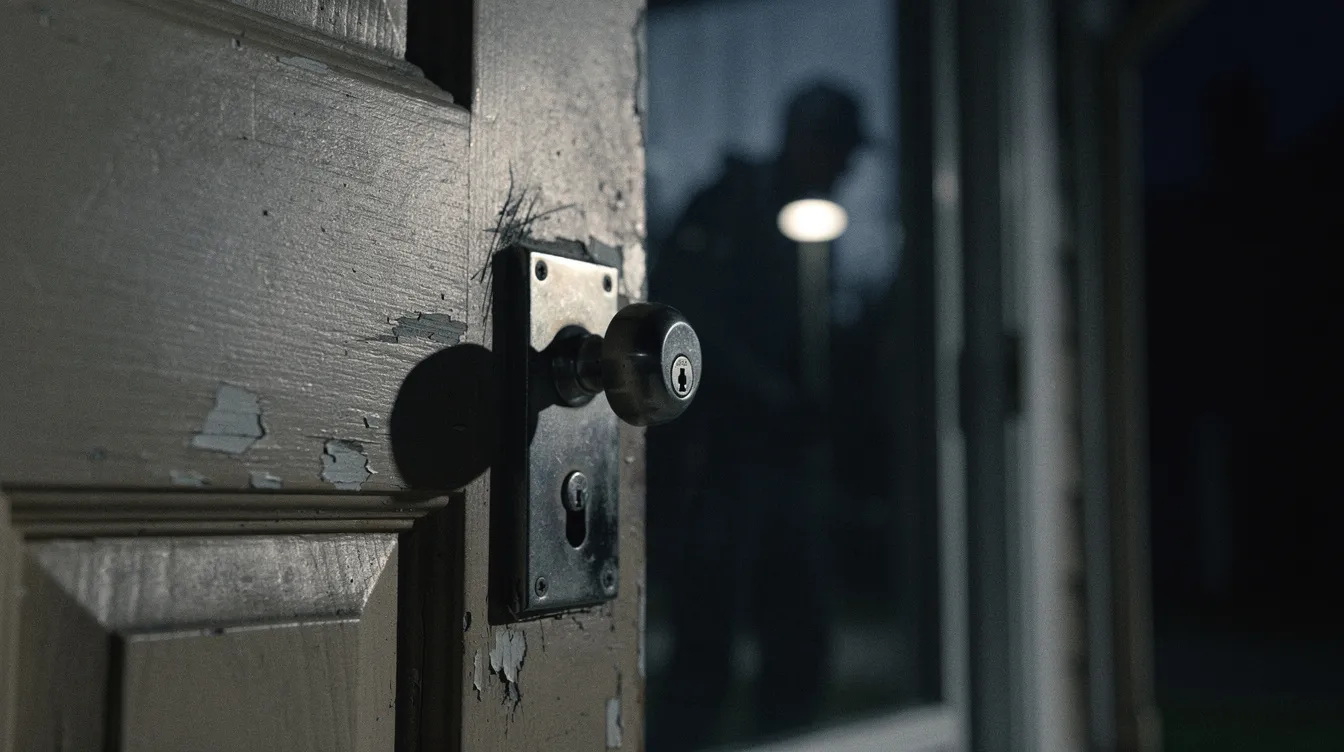
Front doors are the primary entry point for burglars, with a staggering 34% of intrusions occurring this way. Surprisingly, many of these break-ins occur because the door is left unlocked. An unlocked door invites unwanted intruders, so homeowners must always secure their doors.
Forced entry is another common method, with two-thirds of burglaries involving some form of forced entry. Burglars often kick in the door near the deadbolt or use tools to pry it open. This method is quick, loud, and destructive but highly effective if the door is not properly reinforced.
Countering these tactics involves:
- Installing high-quality deadbolts.
- Using double-cylinder deadbolts, which require a key on both sides, to prevent burglars from breaking a nearby glass and unlocking the door from the inside.
- Reinforcing doors with solid core or metal materials to make it significantly harder for burglars to gain entry.
Modern security systems like alarms and cameras also serve as powerful deterrents. These systems can send an alert to homeowners when a forced entry or break-in is detected, providing critical warnings to prompt immediate action. Security alarms notify you and the authorities of a break-in, while cameras capture footage that can help catch perpetrators. Combining these measures with vigilant habits can transform your front door into a formidable barrier against burglars.
Back Door Weaknesses
Back doors, especially sliding glass doors, are another vulnerable entry point often overlooked by homeowners. Key points include:
- People often forget to lock these doors, providing easy access for burglars.
- Sliding glass doors are particularly targeted because of their weak locks.
- They are easy to compromise due to their design.
Enhancing the security of sliding glass doors can be achieved by:
- Installing custom security screen doors that obstruct visibility and offer robust locking mechanisms that are difficult to break.
- Using high-quality deadbolts.
- Adding door sensors.
- Installing glass break sensors to further fortify these points, including a glass door option.
Motion-sensing outdoor lights can deter potential burglars by eliminating the cover of night they rely on, especially when a certain word is used to describe their effectiveness. Visible alarm systems, even if not actively monitored, can also discourage intruders from attempting a break-in with motion sensor lights.
Addressing back door weaknesses and implementing these security solution measures can significantly reduce unauthorized entry risks.
Garage Entry Points
Implementing these measures can transform garages from vulnerable entry points to fortified barriers against intruders.
Burglars may also assess the presence and type of cars in the driveway or garage to determine if the house is occupied or appears to be a valuable target. The absence of cars can signal an empty home, making it more attractive to intruders.
First Floor Windows
First-floor windows are a common entry point, with 23% of intrusions occurring through them. Sliding glass doors, a type of first-floor window, attract burglars because they are often hidden from public view, making them easier to target unnoticed.
Burglars can quickly assess a home’s interior and valuables through sliding glass doors, planning their entry accordingly. Using security film on windows can slow down intrusions, providing additional time to respond. Additional locks on first-floor windows can also significantly improve security.
Regularly inspecting window seals and frames prevents easy access through deteriorated areas. Taking these steps can turn first-floor windows from a common entry point into a robust defense line against burglars, especially when considering open windows.
Second Floor Access
How burglars enter homes – first floor windows
Second-floor windows might seem less vulnerable but are not immune to break-ins. Climbable trees and outdoor furniture can provide burglars easy access to second-floor windows. Burglars often use ladders to reach second-floor windows and balconies, so securing these entry points is essential.
Glass break sensors and locked windows effectively secure second-floor windows. Homeowners should lock away ladders and use latches to prevent burglars from using them to gain entry.
Addressing these vulnerabilities and securing second-floor windows reduces the risk of break-ins from above.
Open Doors and Windows
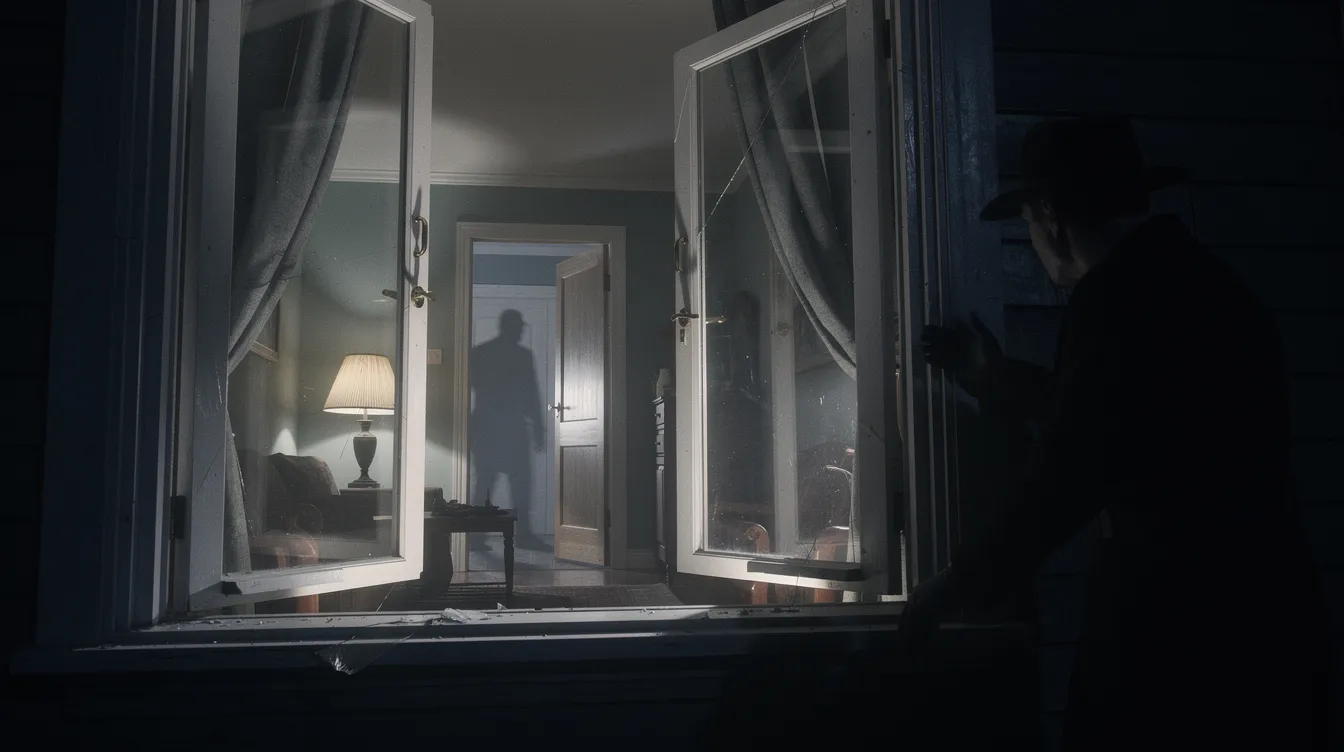
Nearly 30% of burglaries involve occurring through unlocked doors or windows, and most burglaries occur when modern thieves exploit these open entry points, underscoring the importance of securing doors and windows. Routine inspections of locks and entry points help identify vulnerabilities and maintain security.
Crime Prevention Through Environmental Design (CPTED) principles reduce burglary opportunities by making the environment less conducive to criminal activities. Smart locks can prevent unauthorized access even if doors are left unlocked. Home automation solutions provide real-time alerts when doors or windows are opened, enhancing security and giving homeowners peace of mind.
Bump Keys and Lock Picking
Burglars use bump keys to gain quick access to homes. These keys act as master keys, opening locks by applying pressure to the lock cylinder and causing the pins to jump. This method significantly reduces the time needed to unlock certain types of locks.
Bump-resistant locks can hinder unauthorized access and counteract this method. Professional security consultations offer tailored advice on effective lock choices for home protection.
Understanding and addressing the threat of bump keys and lock picking enhances overall security.
Social Engineering Tactics
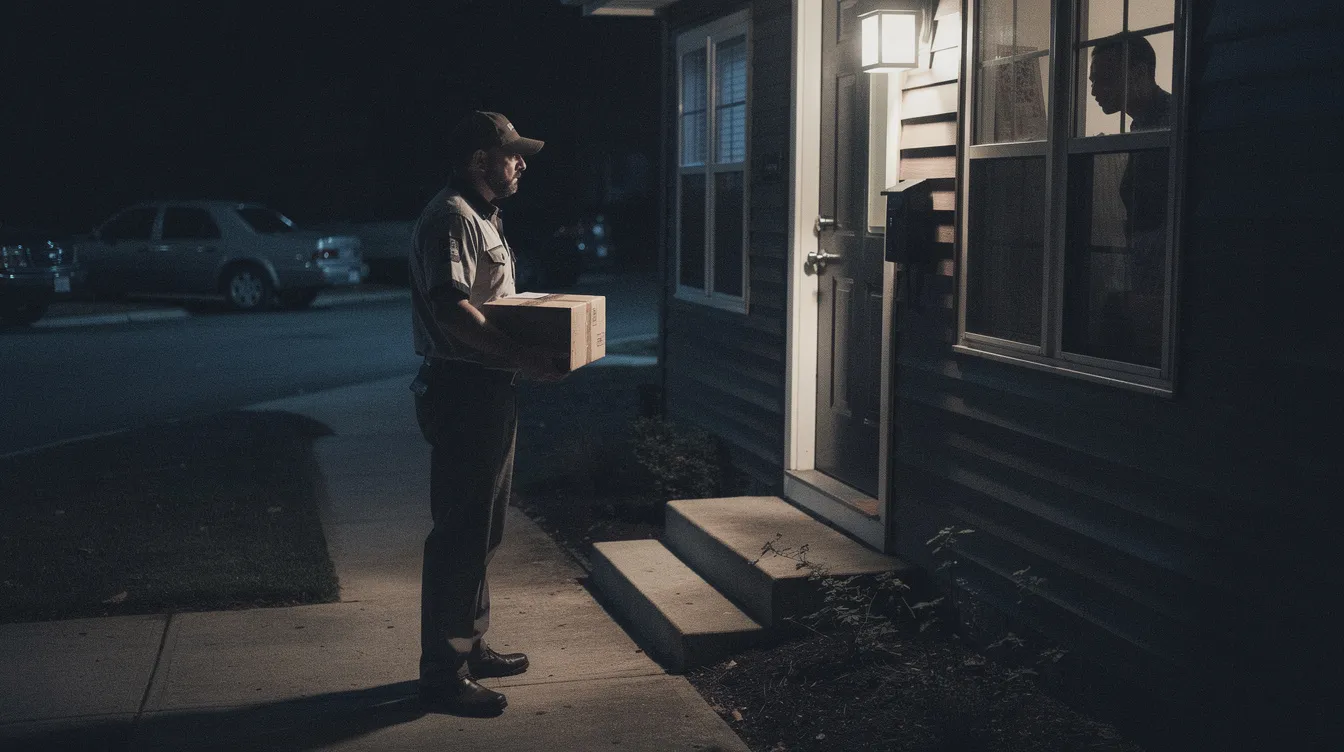
Burglars frequently use social engineering tactics to gain entry into homes, often leaving victims unaware of their intentions. They may pose as salespeople, service workers, or even police officers to scrutinize a property’s vulnerabilities and build trust. When burglars enter, fake company uniforms or vehicles further enhance their ruse.
Homeowners should be cautious of strangers and always verify their identity before granting access. Asking for identification and calling the company to confirm the worker’s presence is advisable.
Neighbors play a crucial role in preventing burglaries by alerting each other about unfamiliar service vehicles.
Holiday Season Risks
The holiday season sees increased burglary risks as homes are often filled with gifts and left empty during travel. Burglars look for large picture windows displaying presents to plan their break-ins. Avoid displaying gifts in visible areas to deter potential burglaries.
Disposing of new gift boxes discreetly and using timers for indoor lights creates the illusion that someone is home, even when the house is empty. These precautions help protect your property during the festive season.
Technology Exploits
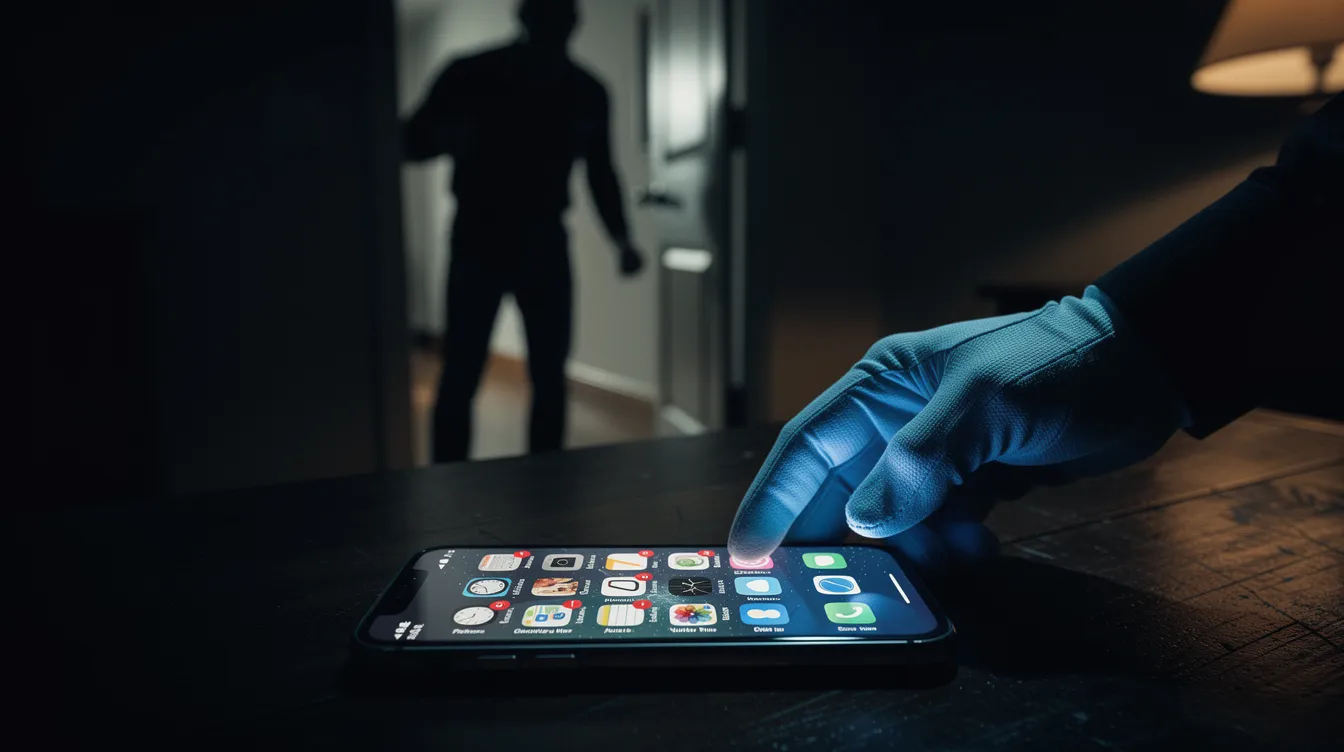
Burglars increasingly use technology to target homes, with over 75% of surveyed many burglars indicating they use social media and Google Street View in their planning. Monitoring social media for posts revealing when most homeowners are on vacation is a pretty easy tactic.
Homeowners should avoid sharing their whereabouts online and discussing holiday plans in public social media groups. Home automation for remote monitoring and controlling home security provides additional protection.
Summary
Understanding the various methods burglars use to enter homes is the first step in preventing break-ins. By securing front and back doors, windows, garages, and utilizing modern security measures, homeowners can significantly reduce their risk. Vigilance, combined with smart security practices, can turn your home into a fortress against intruders.
Frequently Asked Questions
How can I secure my front door against burglars?** **?
To secure your front door against burglars, install high-quality deadbolts and reinforce the door with solid core or metal materials. Additionally, incorporating security cameras and alarms serves as an effective deterrent.
What are some effective ways to secure sliding glass doors?** **?
To effectively secure sliding glass doors, consider installing high-quality deadbolts, security screen doors, and door sensors, along with glass break sensors. Additionally, enhancing visibility with motion-sensing outdoor lights and alarm systems can further deter potential intruders.
How can I prevent burglars from accessing my garage?** **?
To effectively prevent burglars from accessing your garage, secure the interior door, upgrade to a garage door opener with rolling codes, and use motion detectors and security cameras. These measures collectively enhance your garage’s security and deter potential break-ins.
What should I do to secure my windows against break-ins?** **?
To secure your windows against break-ins, use security film, reinforce them with additional locks, and install glass break sensors. Regularly inspect window seals to ensure they remain secure.
How can home automation enhance my home security?** **?
Home automation enhances your home security by providing real-time alerts for unauthorized access, allowing remote monitoring and control, and integrating smart locks with security systems for comprehensive protection.