Looking to babyproof your home? This diy babyproofing checklist provides essential steps to make your home safe for your baby. Follow these tips to ensure a secure environment.
Key Takeaways
- Start babyproofing your home early, ideally before your baby becomes mobile, to create a safe environment for exploration.
- Regularly assess your home for hazards, such as hidden dangers and unsafe items, to keep your baby safe as they grow.
- Implement essential DIY safety measures like securing furniture, using safety latches, and installing safety gates to minimize injury risks.
Start Babyproofing Early
Diy babyproofing checklist – key takeaways

Begin babyproofing as soon as you bring your baby home. Starting early ensures a safer environment for your baby. Most experts recommend starting before your infant becomes mobile, typically between four to six months. Creating a safe nursery or bedroom environment is crucial because it significantly impacts your baby’s life—these spaces support their sleep, exploration, and overall safety during early development.
The primary purpose of babyproofing is to create a safe space that allows your child to explore and learn without constant supervision. This not only ensures the child’s safety but also provides parents with much-needed peace of mind. Thoughtful steps and the right tools can significantly reduce injury risks for young children.
Selecting appropriate safety devices is essential. To keep your home secure for your baby, ensure the following:
- Devices comply with current standards.
- Devices are regularly maintained.
- Proper installation is carried out.
- Regular upkeep is performed to ensure effectiveness.
Identifying and Eliminating Common Hazards
To identify potential hazards from your baby’s perspective:
- Begin by viewing your home from your baby’s perspective.
- Get down to your baby’s level and look around.
- Notice hidden hazards that may not be visible from an adult’s height.
Adults play a crucial role in using and maintaining safety devices like childproof locks, corner bumpers, and outlet covers to ensure ongoing protection.
This careful approach reveals dangers that may otherwise be overlooked.
Certain items and substances should always be kept out of children’s reach. For instance:
- Keep house plants out of reach as they can be poisonous if ingested.
- Store dangerous cleaning supplies securely to prevent accidental poisoning.
- Check for chipping paint regularly, especially in older homes, due to the risk of lead poisoning.
Simple modifications can often enhance home safety. For example:
- Hide or secure electrical cords to prevent accidents caused by infants pulling on them.
- Use a combination of childproofing products to further boost home safety for infants.
- Educate children about fire safety, such as keeping matches and lighters out of reach, as a vital step in preventing accidents.
Keep in mind that creating a safe home environment for your infant or toddlers is an ongoing process. Regularly reassess your environment to keep it hazard-free. A proactive approach helps keep your child safe as they grow and explore their surroundings. Preventing other injuries, such as burns, poisoning, and furniture tip-overs, is also essential for comprehensive home safety.
DIY Babyproofing Essentials
Diy babyproofing checklist – identifying and eliminating common hazards

DIY babyproofing is both effective and budget-friendly. Key steps include securing electrical outlets, installing safety gates, and using latches on cabinets and drawers to keep dangerous items away.
Anchor heavy furniture and keep cords out of reach to prevent strangulation hazards. Here’s a closer look at each step in detail. It’s essential to use safety measures and devices—such as safety latches, locks, and alarms—as an integral part of your DIY babyproofing checklist to create a safer environment for your child.
Securing Electrical Outlets
Securing electrical outlets is fundamental to babyproofing because:
- Babies are naturally curious, and electrical outlets can be particularly enticing.
- Plastic outlet covers block unused electrical outlets, reducing the risk of electrical shock.
- Covering unused electrical outlets is an essential step to prevent electrical shock and protect children from electrical hazards.
- These covers are simple to install and provide an immediate barrier to little fingers.
For an extra layer of protection, consider using tamper-resistant outlets. These outlets are designed to require simultaneous pressure to insert outlet plugs, making them much harder for children to tamper with. Sliding outlet covers are another effective option, as they prevent young children from accessing electrical outlets.
Regularly maintaining these safety devices is crucial. Check that outlet covers remain securely in place and replace any that are damaged. Covering unused electrical outlets is a key step to prevent electrical shock and keep your home safe for your baby. Such vigilance prevents electrical injuries and keeps your home safe for your baby.
Installing Safety Gates
Installing safety gates prevents falls, especially around stairways. Place gates at the top and bottom of stairs to block infant access to these dangerous areas. Install baby gates securely to prevent accidents and ensure they cannot be easily dislodged.
There are various types of safety gates available, but hard-mounted gates are considered the strongest and safest for preventing access to hazardous areas. Self-closing safety gates are especially beneficial, as they automatically secure hazardous areas and help prevent young children from entering unsupervised. These gates are particularly important at the top of stairs, where a fall could result in serious injury.
Baby gates aren’t just for stairways. Use them to block off unbabyproofed bedrooms on the floor, creating a safe room for your child to explore.
Using Safety Latches
Safety latches keep hazardous items out of reach. By installing safety latches on cabinets and drawers, you can prevent your child from accessing potentially dangerous items like sharp tools and cleaning products. These latches are simple to install and provide a strong barrier against curious hands.
There are different types of safety latches available, including magnetic safety latches that offer a strong locking mechanism. These latches are particularly useful for cabinets that contain hazardous items, ensuring they remain securely closed.
Proper installation ensures their effectiveness. Ensure that safety latches are installed out of the child’s reach and are regularly checked to make sure they remain secure. This step greatly reduces the risk of accidents and keeps your baby safe.
Creating Safe Sleeping Areas
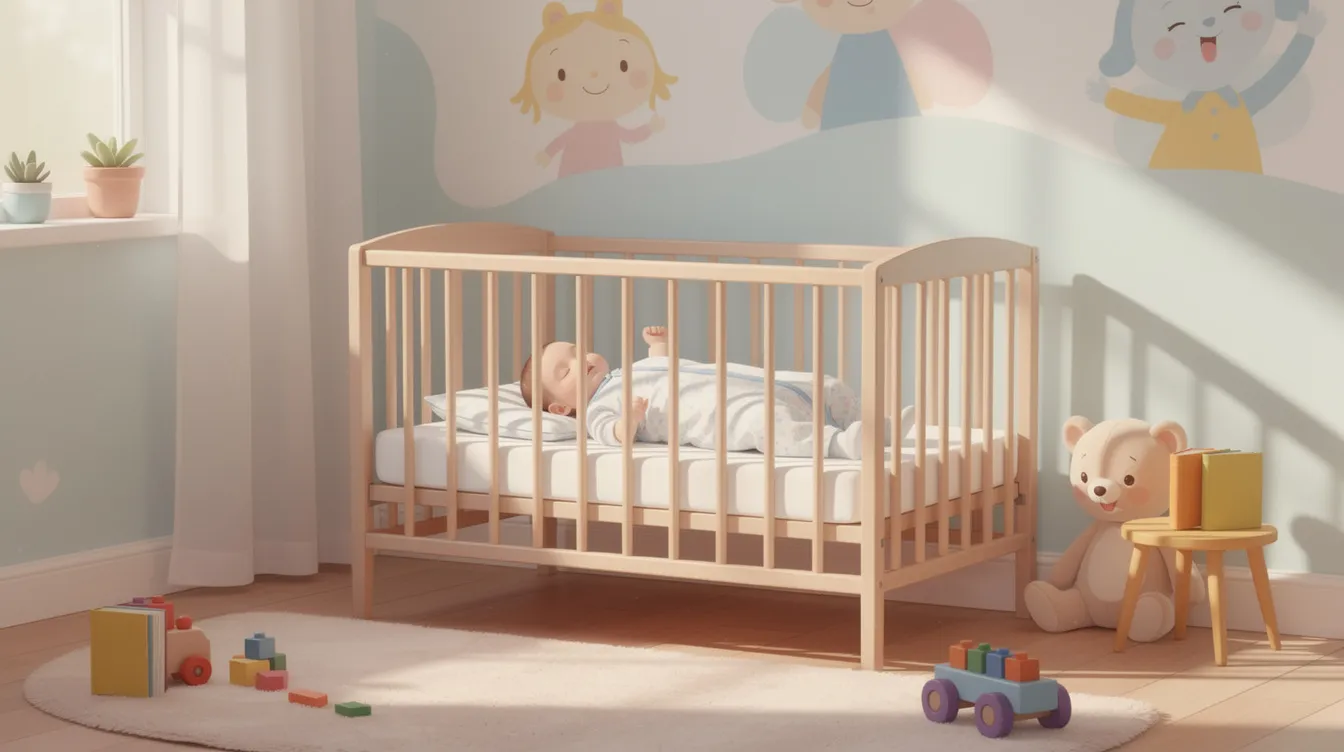
A safe sleeping area is vital for your baby’s well-being. To ensure safety:
- The baby’s crib should be free of toys, pillows, and other objects that could cause suffocation.
- This reduces the risk of sudden infant death syndrome.
- It ensures your baby has a clear and safe space to sleep.
Regularly inspect the crib for loose parts or potential hazards to maintain a safe sleeping environment. Keep the sleeping area free of blankets and toys to enhance safety during sleep. This vigilance is crucial in creating a safe and secure sleeping space for your baby.
Preventing Burns and Scalds
Diy babyproofing checklist – creating safe sleeping areas
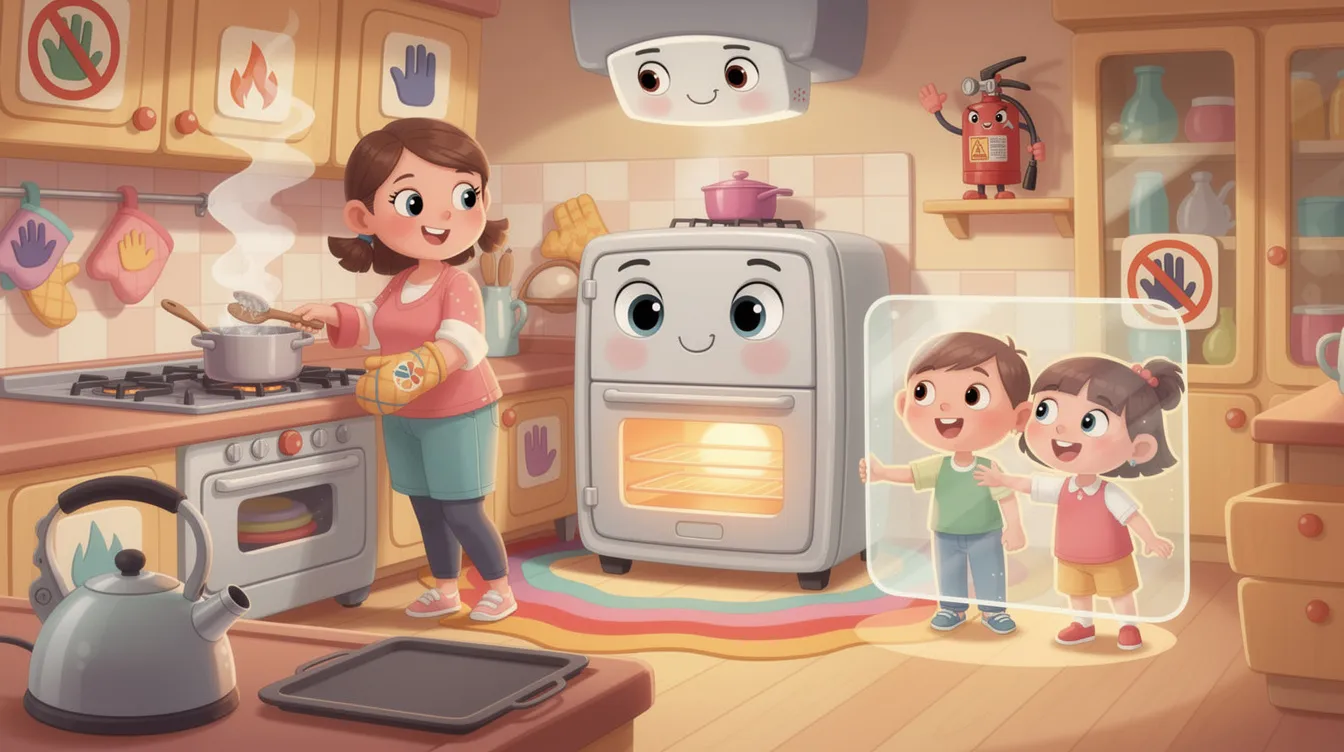
Preventing burns and scalds is crucial in babyproofing. Start by:
- Using stove knob covers to prevent children from turning stove knobs and accessing hot surfaces.
- Always using the back burners when cooking.
- Turning pot handles backward to avoid accidental tipping.
Water temperature safety is also critical. To prevent burns, set your water heater to 120 degrees Fahrenheit. This temperature is safe for use. Always test bathwater temperature with your wrist before placing your child in it to ensure it’s safe.
Fireplace safety is also important. Cover fireplaces with a secured safety gate at a safe distance to prevent injuries. Remember, many babies have much thinner skin. This makes them more susceptible to burn injuries. These precautions can help create a safer environment and prevent serious injuries.
Making Living Spaces Safe
Securing common areas where your baby spends time is essential for safe living spaces. Key strategies to minimize injury risks include:
- Installing safety gates at stairways to prevent falls and keep children in safer areas
- Anchoring furniture
- Using corner and edge bumpers
- Keeping small objects out of reach
Store medicines and toiletries securely and educate children about button battery dangers to enhance safety further.
Securing Furniture
Securing heavy furniture prevents tipping hazards by putting things like bookshelves and TVs to the wall using anti-tip anchors. These anchors significantly reduce the risk of heavy furniture tipping over, which is a common cause of injury among young children.
Use brackets and straps to secure tall furniture, ensuring they are firmly anchored to the wall. This includes dressers, bookshelves, and any other heavy furniture that could tip over during a child’s play.
Securing furniture creates a safer environment for your child to explore without serious injury risks. This step is an essential part of babyproofing your home.
Covering Sharp Edges
Protective padding on sharp edges prevents injuries. Corner and edge bumpers can significantly reduce the risk of injury from sharp furniture edges. These bumpers are easy to install and provide an immediate safeguard against bumps and bruises.
Various protective padding options include corner guards and edge bumpers. These measures are particularly useful for tables and furniture with sharp edges. These protective measures create a safer environment for your baby.
Keeping Cords Out of Reach
To prevent strangulation hazards related to cords:
- Keep cords out of reach.
- Use cordless window coverings or secure the cords from window blinds out of reach, as they pose a significant risk.
- Properly manage loose cords from electronics and keep them away from children.
Cord management systems bundle and secure loose cords, preventing access by curious hands. These steps significantly reduce strangulation risk and create a safer environment for your baby, acting as a safety netting.
Ensuring Bathroom Safety
Constant supervision in the bathroom prevents drowning. Never leave children alone in the bath, as they can drown in even a small amount of water.
Prevent accidental poisonings by keeping chemicals and medications secured and out of reach. Nonslip mats in the bathtub prevent slip or fall injuries.
Set the water heater to ensure faucet temperatures do not exceed 120 degrees Fahrenheit to prevent scalding. These precautions can make bathrooms safer for young children and provide hot water at safe temperatures.
Window Safety Measures
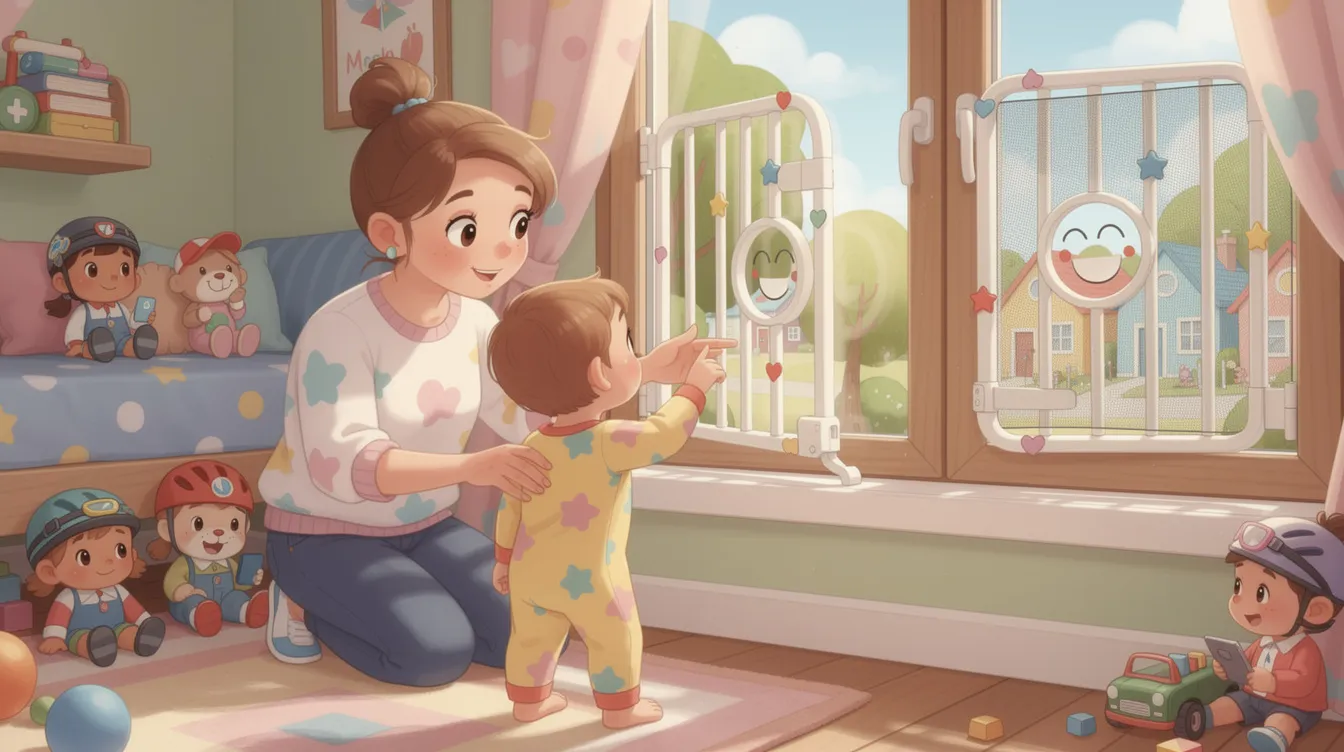
Window guards effectively prevent falls from windows. Window screens are not strong enough to prevent falls and should not be relied upon for child safety. Fit guards over openings but ensure they allow quick removal during emergencies.
Cordless window coverings eliminate strangulation risks from traditional window blind cords.
Ideally, open windows from the top to limit young children’s access while allowing ventilation. Keep windows locked when not in use to prevent accidental openings by children.
Fire and Carbon Monoxide Safety
Smoke and carbon monoxide detectors identify fire and poisoning risks in the home. Install smoke detectors and check them monthly to ensure they are operational.
Install carbon monoxide alarms on every level of your home, particularly near sleeping areas, to monitor CO levels effectively. Keep space heaters at least three feet away from flammable materials to minimize fire risk.
Emergency Preparedness
A fire escape plan for your family is essential. Make sure everyone knows how to exit safely in case of a fire.
A complete first aid kit for infants is essential for managing common health issues. Important steps include:
- Keep emergency contact numbers, such as the National Poison Control Center, visible near your phones.
- If poisoning is suspected, identify the poison.
- Follow instructions from the poison control center.
Summary
Babyproofing is a crucial aspect of creating a safe environment for your little one. From securing electrical outlets and installing safety gates to ensuring safe sleeping areas and preventing burns, each step plays a vital role in safeguarding your baby’s life. By following the tips outlined in this guide, you can significantly reduce the risk of accidents and injuries in your home.
Remember, babyproofing is an ongoing process. As your child grows and becomes more mobile, continuously reassess your home to identify new hazards and address them promptly. Your vigilance and proactive approach will create a secure and nurturing environment for your baby to thrive.
Frequently Asked Questions
13.2 What are the most overlooked hazards when babyproofing?
Some of the most overlooked hazards include window blind cords, heavy furniture that can tip over, accessible batteries, and cleaning supplies stored under sinks. Additionally, ensure doors to hazardous areas such as bathrooms, garages, or rooms with dangerous items are secured with safety hardware like door knob covers or pinch guards to prevent children from entering.
13.3 How do I keep my child out of cabinets with dangerous items?
Install safety latches or locks on all cabinets containing cleaning supplies, sharp objects, or other hazardous materials. Locking medicine cabinets or boxes is also essential to prevent children from accessing potentially hazardous substances, as childproof caps alone are not sufficient.
When should I start babyproofing my home?
Start babyproofing your home as soon as you bring your baby home, ideally before they become mobile around four to six months. Taking these steps early ensures a safe environment for your little one to explore and grow!
What are some common household hazards I should look out for?
Be vigilant about hazards like exposed electrical outlets, sharp edges, loose cords, and toxic substances such as cleaning supplies and certain plants. Taking these precautions will help keep your home safe and secure!
How can I prevent my baby from accessing dangerous items in cabinets and drawers?
To keep your baby safe, installing safety latches on cabinets and drawers is a smart and effective solution. This simple step ensures that sharp objects and harmful cleaning products are kept out of reach, giving you peace of mind.
What measures can I take to ensure my baby’s sleeping area is safe?
To ensure your baby’s sleeping area is safe, keep the crib clear of toys, pillows, and blankets to prevent suffocation hazards. Regularly inspect the crib for any potential dangers to provide a secure environment for your little one.
How can I prepare for emergencies involving my baby?
Preparing for emergencies with your baby is crucial! Create a fire escape plan, assemble a well-stocked baby-friendly first aid kit, and display essential emergency contacts prominently near your phones.