Staircases can be hazardous, but following the right safety tips can help prevent accidents. This article provides key staircase safety tips to ensure a safe environment both at home and work.
Key Takeaways
- Staircase safety is vital in preventing serious injuries; awareness of environmental hazards and proper usage practices significantly reduces risks.
- Consistent use of handrails, adequate illumination, and keeping stairways clear are essential measures to enhance stair safety.
- Regular inspections, installation of non-slip treads, and education on stair safety for both family members and employees are critical for preventing accidents.
Prioritizing Safety on Stairs
Staircase safety tips – key takeaways
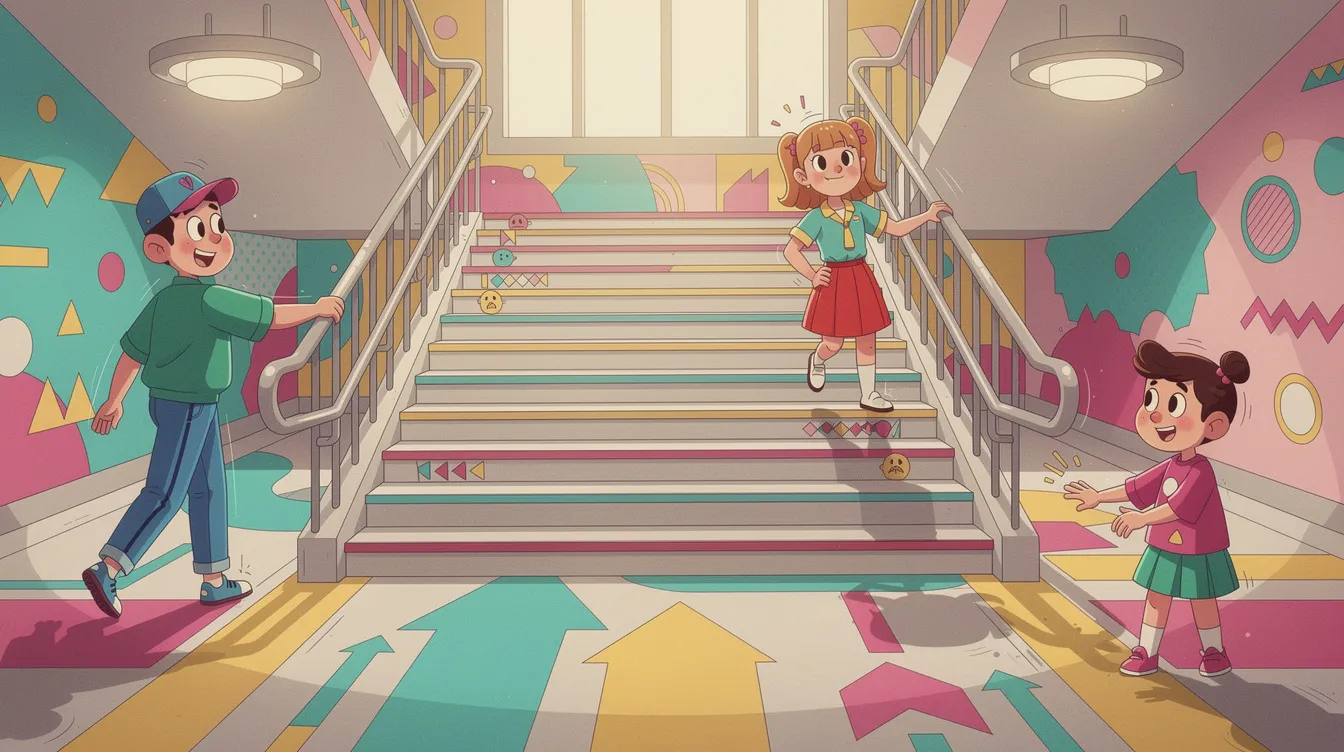
Falls on stairs can result in serious injuries or fatalities, even death, which makes staircase safety a critical aspect of both home and workplace health. Environmental hazards such as rain or ice make exterior stairs particularly dangerous, necessitating increased awareness and caution. Carrying bulky items that restrict visibility and balance can also make it challenging to navigate stairs safely.
Distractions are another significant factor that can lead to accidents, which is a leading cause of fall injuries. Using a mobile device or carrying heavy items while navigating stairs increases the risk of trips and falls, including fall injuries. Avoid multitasking and focus only on going up or down the stairs to enhance safety.
Proper stair use education can significantly reduce falls and injuries at home and work. Awareness and knowledge are key in preventing stairway incidents. Making sure everyone knows the common hazards and safe practices can make a significant difference. By prioritizing safety and staying vigilant, we can create a safer environment for everyone.
Use Handrails Every Time
Handrails provide support and balance, playing a crucial role in preventing slips, trips, and falls, especially when descending stairs. Maintain a secure grip on handrails with at least one foot while ascending or descending.
Handrails should be designed for easy gripping to assist individuals who may have balance issues. Regular training on stair safety practices ensures that everyone understands safe behaviors, such as always using handrails. This is particularly important in workplaces where employees might be carrying items or distracted by their tasks.
Consistent use of handrails can significantly reduce the likelihood of falls and ensure stairways remain safe. It is a simple yet highly effective measure that should never be overlooked.
Keep Stairways Clear
Staircase safety tips – use handrails every time
Keeping stairways clear is essential for safety, as it allows safe passage and prevents slips and trips. Never use stairways for storage, as this obstructs pathways and increases accident risk. Report spills, debris, or damaged structures immediately to maintain safe conditions.
To ensure stairway safety:
- Clean water, oil, or debris on stairs immediately to prevent slips.
- Be aware of stairway hazards like slippery steps and poor lighting.
- Maintain clear stairways and promptly address any hazards to create a safer environment for everyone.
Install Anti Slip Stair Treads
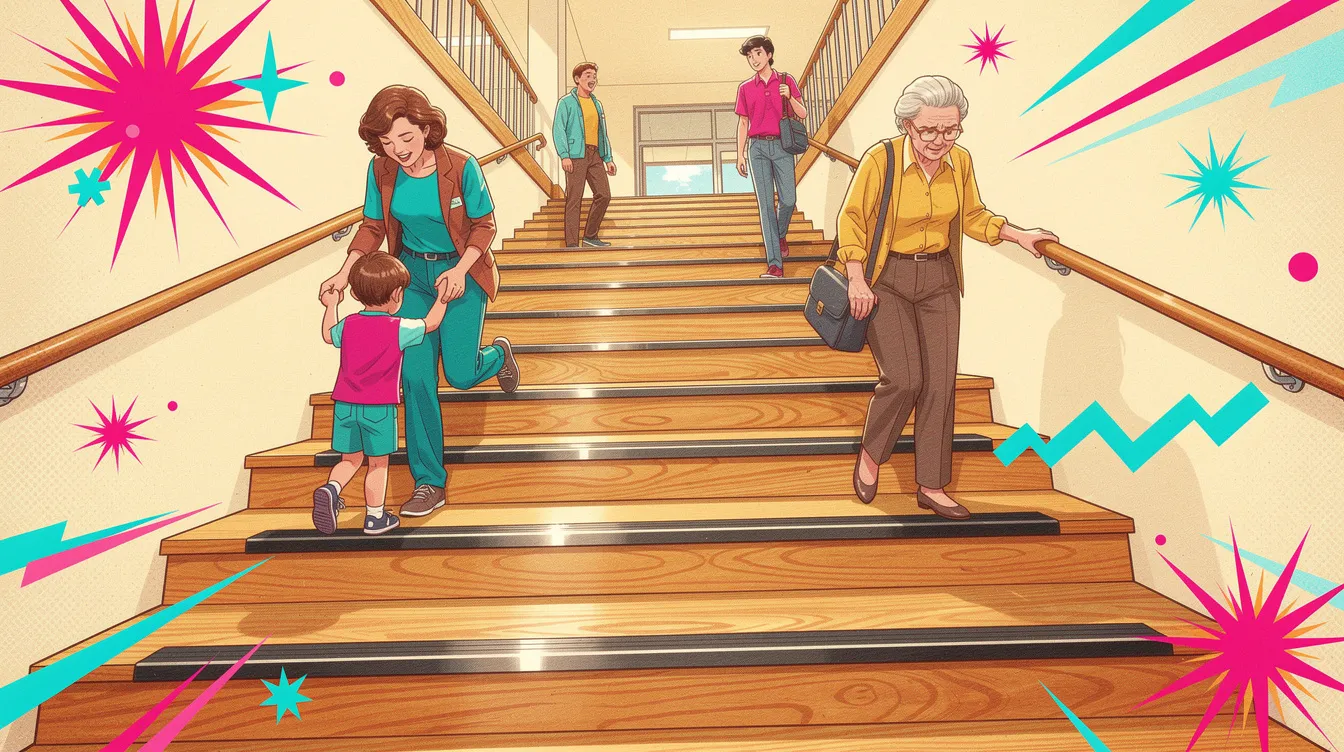
Non-slip stair treads:
- Enhance traction, significantly lowering the chances of slips and falls on stairs.
- Add traction to stairs, preventing slipping, particularly in homes with elderly residents.
- Prevent slips and falls in high-traffic areas.
There are various types of non-slip stair treads available, including ComposiGrip stair tread covers, which can be installed on concrete, metal, and wood surfaces. These treads have a high-traction, non-skid surface for enhanced safety. ComposiGrip stair treads are built with durable materials and feature a non slip surface designed for long-lasting performance in both indoor and outdoor environments. The installation of non-slip treads can be done using pre-drilled holes or adhesive options for fast setup.
Installing non-slip stair treads creates a safer environment and significantly reduces the risk of accidents on stairs.
Ensure Adequate Lighting
Staircase safety tips – install anti slip stair treads

Good lighting helps identify hazards like uneven steps that can lead to slips, trips, and falls. Effective lighting solutions combine direct and indirect sources to provide adequate illumination under various lighting conditions. When positioning wall-mounted lighting fixtures, it is important to avoid glare, as glare can impair visibility and compromise safety on stairs, especially for the elderly. Comply with electrical codes when installing stairway lighting to prevent safety hazards.
Increasing the brightness of stair lighting, along with using glow-in-the-dark elements, can significantly improve visibility. Optimizing stair lighting to reduce energy consumption—such as using LED bulbs, motion sensors, or smart lighting systems—can enhance safety while minimizing power usage. Ensuring adequate lighting can illuminate visibility and prevent accidents on stairs. Where possible, utilize natural light to improve stair visibility and reduce reliance on artificial lighting.
Regularly Inspect and Maintain Stairs
Frequent inspections of stairs and handrails can identify safety threats like loose steps and damaged equipment before they cause accidents. Checking for stability during inspections is vital, as loose handrails or wobbly steps significantly increase the risk of falls. Regular maintenance ensures stairs’ structural integrity, as deterioration can occur over time due to wear and environmental factors.
Regular inspections may be required to ensure handrails and stairs meet safety requirements. Non-slip treads protect stair surfaces from wear and tear, prolonging their lifespan, and reducing maintenance needs. Prompt repairs significantly minimize the risk of accidents and maintain safe usage of stairs.
Educate Family Members and Employees
Educating stair users about common hazards can significantly reduce the risk of slips, trips, and falls. In workplaces, installing handrails is essential for preventing slips, trips, and falls among workers. Employees should always be trained to use handrails, especially when distracted or carrying objects.
Be Mindful of Distractions
Staying focused while using stairs is crucial to prevent accidents. To ensure safe navigation on stairs:
- Avoid distractions, as they can lead to slips, trips, or falls.
- Do not multitask, such as using mobile devices.
- Avoid carry items that may impede your balance.
Prioritize your attention when using stairs to maintain safety and ensure you can stairway safely.
Enhance Visibility with Contrast Strips
Place contrast stripes directly on the edges of stairs, covering their full width to guide users accurately. Key points for effective stair edge markings include:
- Use contrasting colors to help users better identify the edges of stairs, enhancing safety.
- Ensure high color and luminance contrast in stair edge markings.
- Aim for at least 30% luminance contrast for effective visibility along the line.
In addition to marking treads, marking or illuminating stair risers can further enhance visibility and safety, especially for those with visual impairments.
Clear marking of stair edges helps individuals with low vision develop a mental model for navigating stairs safely. Stair designs specifically designed to accommodate individuals with visual impairments ensure quality.
Implement Smart Lighting Controls
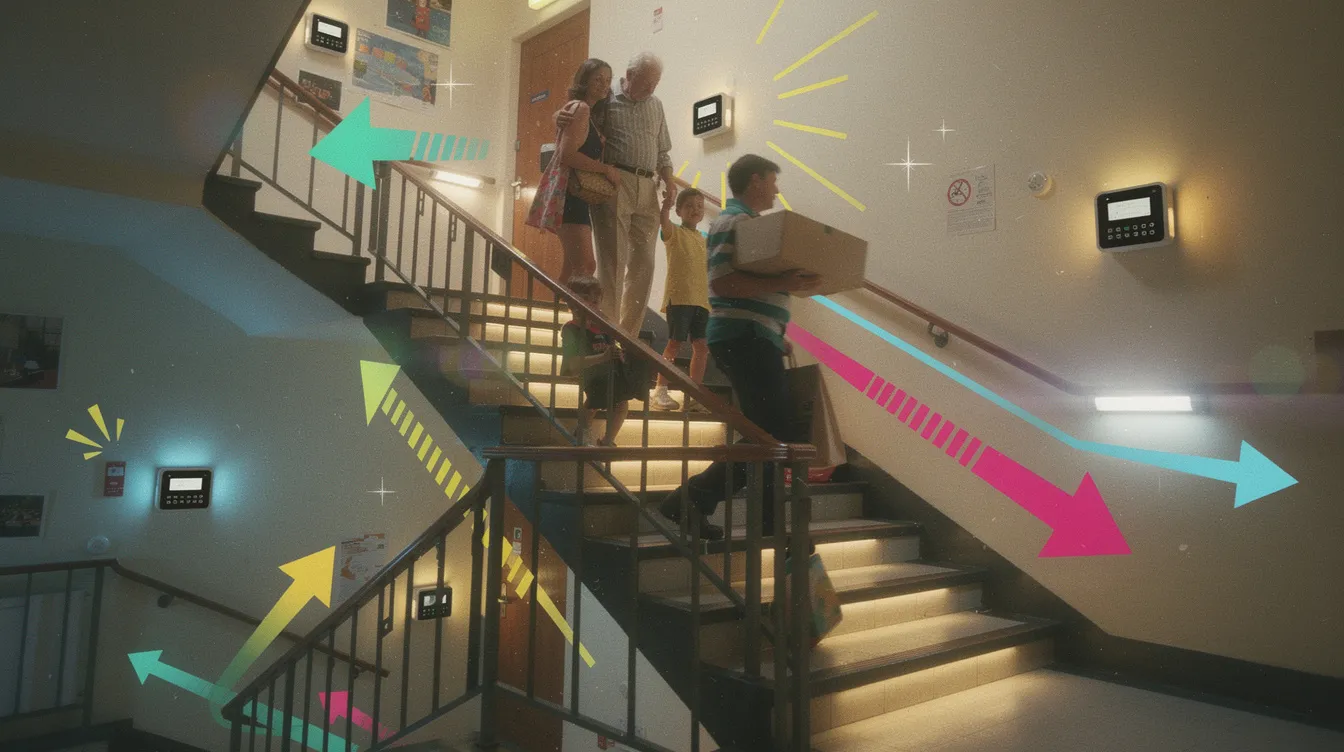
Smart stairway lighting can significantly reduce accidents due to poor visibility. Motion sensors in stair lighting activate lights only when needed, improving efficiency. Adjustable lighting allows control over brightness and ambiance throughout the day.
Smart lighting systems offer several advantages:
- Smart controls allow users to manage brightness and settings, enhancing convenience.
- Consistent stairway lighting helps eliminate dark spots, preventing missteps.
- Remote control and automation features enhance stair safety, creating a welcoming atmosphere.
Smart lighting controls can also be tailored to the specific needs of the space, improving both safety and the overall user experience in stairways.
Consider Accessibility Needs
Slip-resistant stairs offer several benefits:
- Improve safety for pets and help users navigate stairs with better traction, reducing slip risk.
- Enhance safety and comfort for residents with mobility challenges in care homes and retirement residences.
- Feature uniform step height and depth to minimize tripping hazards for users.
Stair lifts benefit individuals with mobility challenges, providing a safe means to navigate stairs. Consider accessibility standards like the ADA when designing stair lighting to accommodate all users. Contrasting colors and textures help individuals recognize the edges of steps and landings, enhancing safety for everyone.
Prepare for Power Outages
A backup lighting plan is critical for maintaining visibility and safety during power outages. Ecoglo® glow-in-the-dark stair nosings offer the following benefits:
- Improve visibility during power outages
- Provide essential guidance in low-light conditions
- Use photoluminescent technology to glow in the dark
- Ensure safe passage during outages
These features provide an added layer of safety by ensuring visibility even during unexpected power outages.
Implementing solutions like durable battery-operated lights and functional glow-in-the-dark markers can significantly reduce the risk of slips, trips, and falls during industrial power outages at night.
Summary
Summarize the key points discussed in the blog post. End with an inspiring phrase that reinforces the importance of stair safety.
Frequently Asked Questions
What are the most common hazards on stairs?
The most common hazards on stairs are poor lighting, slippery surfaces, debris, and distractions. Addressing these issues is essential for ensuring safety while using stairways.
How can non-slip stair treads improve safety?
Non-slip stair treads significantly improve safety by enhancing traction and minimizing the risk of slips and falls, particularly on slippery surfaces like wooden stairs. Implementing these treads can create a safer environment for everyone.
Why is it important to use handrails on stairs?
Using handrails on stairs is crucial as they enhance support and balance, thereby significantly decreasing the risk of falls. This safety measure is particularly important for individuals of all ages.
What should be done to keep stairways clear?
To keep stairways clear, promptly remove any debris, spills, or obstructions, and avoid using them for storage. This practice ensures safety and accessibility for all users.
How can smart lighting controls benefit stair safety?
Smart lighting controls enhance stair safety by utilizing motion sensors to provide lighting as needed, ensuring stairways are well-lit and reducing the risk of accidents while also conserving energy.