Want to use a space heater safely? Home heating fires are a significant risk during the winter months, with heating equipment being the second leading cause of home fires in the United States. This article provides space heater safety tips to minimize fire risks, ensure proper placement, and keep your heater in good condition for a warm and safe winter.
Key Takeaways
- Prioritize safety features in space heaters, including UL/ETL certifications and built-in automatic shutoff and tip-over switches.
- Select space heaters that have been tested and certified by a recognized testing laboratory to ensure compliance with safety standards.
- Properly place space heaters away from combustibles and high-traffic areas to prevent accidents and ensure stability.
- Regular maintenance, proper electrical practices, and adhering to manufacturer’s instructions are key to safe space heater usage and fire risk reduction.
Essential Safety Features to Look for in Space Heaters
Space heater safety tips – key takeaways
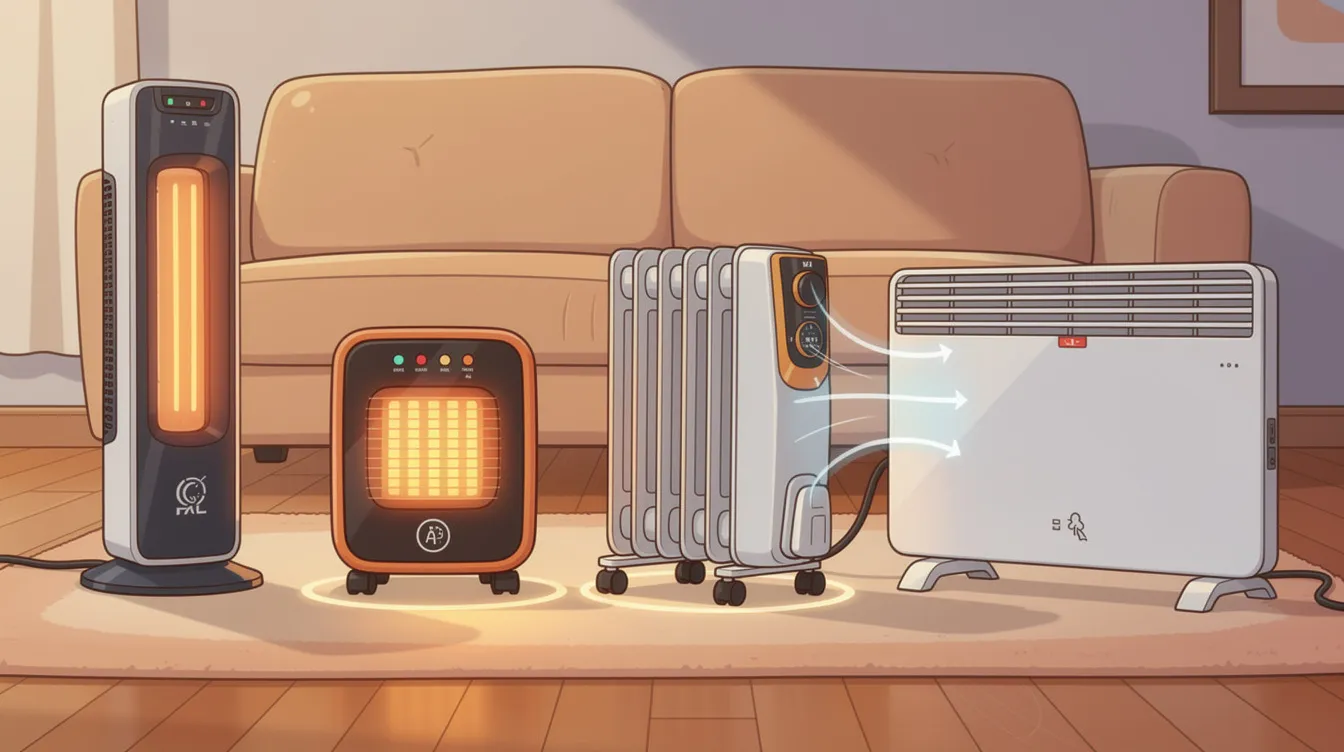
Safety should be your top priority when selecting a space heater. Consider the following:
- Look for safety certifications from a recognized testing laboratory, such as UL (Underwriters Laboratories) or ETL (Intertek).
- Certification from a recognized testing laboratory indicates rigorous testing and adherence to safety standards.
- They act as your first defense against potential hazards.
Built-in safety features like automatic shutoff and tip-over switches are also crucial. An automatic shutoff prevents overheating, while a tip-over switch turns off the heater if knocked over. These features significantly reduce accident risks, enhancing home safety.
Space heaters should pass critical fire safety tests, including:
- Tip-over test: The heater should shut down in less than 10 seconds.
- Overheat test: The heater must turn off within two minutes without scorching nearby materials.
- Drape test: Ensures space heater safety under various conditions.
These tests are essential criteria when choosing a unit.
Proper Placement of Space Heaters
Proper placement of your space heater can significantly prevent home fires. Maintain a distance of at least three feet from combustible items like curtains, furniture, and bedding to minimize fire risks and ensure safe operation with place heaters.
Stability is crucial. To ensure safe heater placement:
- Place your heater on a stable, level floor surface to prevent tipping, which can cause severe accidents like burns and fires.
- Avoid uneven surfaces such as carpets or rugs.
- Ensure secure positioning.
Avoid placing space heaters in high-traffic areas. High-traffic locations increase the risk of tripping and accidents. Keep heaters in low-traffic zones to reduce the chances of being knocked over, ensuring a safer environment for everyone.
Using Space Heaters with Electrical Safety in Mind
Space heater safety tips – proper placement of space heaters
For safety when using a space heater:
- Plug your space heater directly into a wall outlet.
- Avoid using an extension cord or power strip, as they can lead to overheating and potential fires.
- Remember that space heaters draw significant power, and overloading an extension cords can cause overheating.
- Ensure your heater is connected directly to a secure wall outlet to prevent these risks.
Avoid overloading a single outlet with multiple heating devices, as it increases the risk of electrical malfunctions. Space heaters usually come with a sturdy 6-foot cord designed to handle the power load safely. Ensure your same outlet is secure and in good condition to prevent sparks or overheating.
In moisture-prone areas like bathrooms, use a space heater with an ALCI (Appliance Leakage Current Interrupter) plug to prevent electrical shocks. Following these electrical safety tips allows you to use your space heater confidently and securely.
Regular Maintenance and Cleaning
Routine maintenance ensures your space heater operates safely and efficiently. Regularly inspect outlets and cords for signs of wear to prevent dangerous electrical issues. Look for damage, such as cracked plugs or frayed cords, and address these issues promptly to prevent potential fire hazards.
Conduct thorough checks before the heating season begins. If your space heater has been stored during the warmer months, inspect it for any signs of damage or wear before use. Regular maintenance and cleaning keep your heater functioning properly, providing reliable warmth without compromising safety.
In addition to visual inspections, keep your heater clean by dusting it regularly. Dust and debris can cause the heater to overheat or malfunction. Ensuring your space heater is clean and well-maintained prolongs its lifespan and enhances performance, making for a safer and more efficient heating experience.
Additionally, check that any vents, flues, or chimneys associated with your heating appliances are not blocked to prevent fire hazards and ensure safe operation.
Avoiding Overuse and Monitoring Temperature
Space heater safety tips – regular maintenance and cleaning
Space heaters are designed to provide supplemental heat, not serve as the primary heat source. Over-relying on electric heaters can lead to overheating and increased fire risks. Improper use of space heaters is frequently involved in heating fires, and space heater fires can cause significant damage if safety guidelines are not followed. Use them to complement your central heating system, providing additional warmth where needed with proper heating equipment.
To ensure safety when using a space heater:
- Turn off your space heater when leaving the room or going to bed.
- Avoid leaving a heater unattended, as it increases the risk of fire.
- Make it a habit to switch off and unplug your heater when not in use.
This simple practice significantly reduces potential hazards and ensures your home remains safe and leading hot and warm.
Monitoring the temperature is crucial. Avoid setting the heater to maximum heat for extended periods. Keep an eye on the room temperature and adjust the heater accordingly to prevent overheating and maintain a comfortable environment. By using your space heater responsibly, you can enjoy a warm home without compromising safety.
Safe Use Around Children and Pets
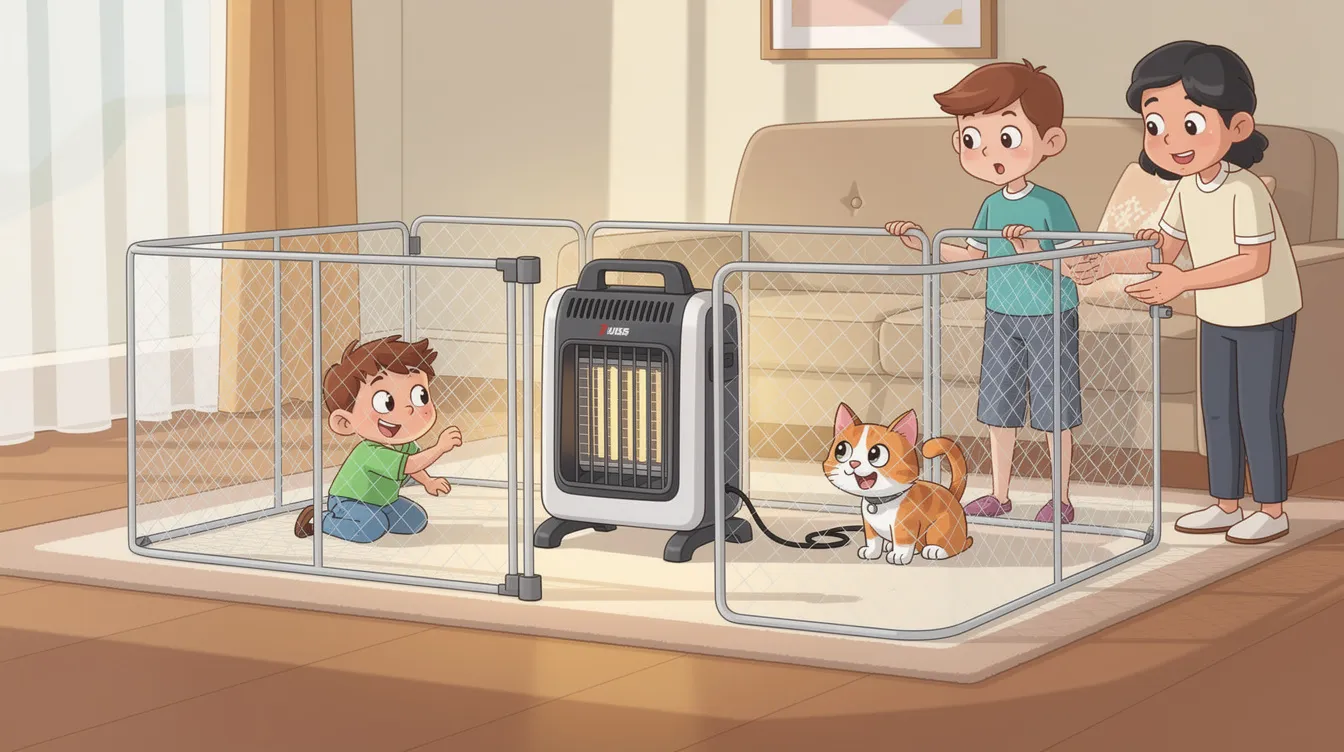
Ensuring the safety of children and pets around space heaters is paramount. Turn off portable electric space heaters when leaving the room or going to sleep to prevent fire hazards. Unattended heaters, especially in homes with young children or pets, can lead to overheating and accidents.
To ensure heater safety when using space heaters:
- Keep space heaters out of walkways and high-traffic areas to reduce the risk of tipping and accidents.
- Ensure that pets and children do not play near heaters to prevent burns and injuries.
- Create barriers or use heaters with cool-touch exteriors to further enhance safety, providing peace of mind for your family.
Following these space heater safety tips helps keep your family safe from burns and fire hazards while enjoying the warmth provided by space heaters. Prioritizing safety features and proper placement ensures that everyone, including your pets, stays safe and comfortable during the cold months.
Carbon Monoxide Awareness
Carbon monoxide is a colorless and odorless gas, posing significant risks, especially during winter when fuel-burning appliances are frequently used. Even small amounts can lead to severe health issues, including suffocation and deaths. Understanding the dangers of carbon monoxide and how it can accumulate in your home is crucial for safety.
Prevent carbon monoxide poisoning by following these steps:
- Ensure all fuel-burning devices are professionally inspected and properly ventilated.
- Install carbon monoxide detectors on every level of your home.
- Regularly test these detectors to ensure they function correctly, providing an early warning if carbon monoxide levels rise.
Every home should have at least one carbon monoxide detector in a location where it can be heard, even while sleeping. Taking these preventative measures helps protect your family from the dangers of carbon monoxide, ensuring a safer winter season.
Manufacturer’s Instructions and Warnings
Reading and following the manufacturer’s instructions is essential for the safe use of space heaters. These guidelines provide specific safety tips and operational instructions tailored to your heater model. Ignoring these instructions can lead to improper use, increasing the risk of accidents.
Understanding warning labels is equally important, as they highlight critical safety information and potential hazards. Familiarize yourself with these warnings to avoid common pitfalls and ensure safe usage. Key points to consider include:
- Warning labels highlight critical safety information and potential hazards.
- Safety certifications, such as those from UL or ETL, indicate the heater has been tested by a recognized laboratory.
- These certifications confirm the product meets established safety standards.
Prioritizing the manufacturer’s guidelines and safety certifications ensures you use your space heater safely and effectively. Adhering to these instructions minimizes risks, allowing you to enjoy the warmth provided by your heater with confidence.
Fire Extinguishers and Emergency Preparedness
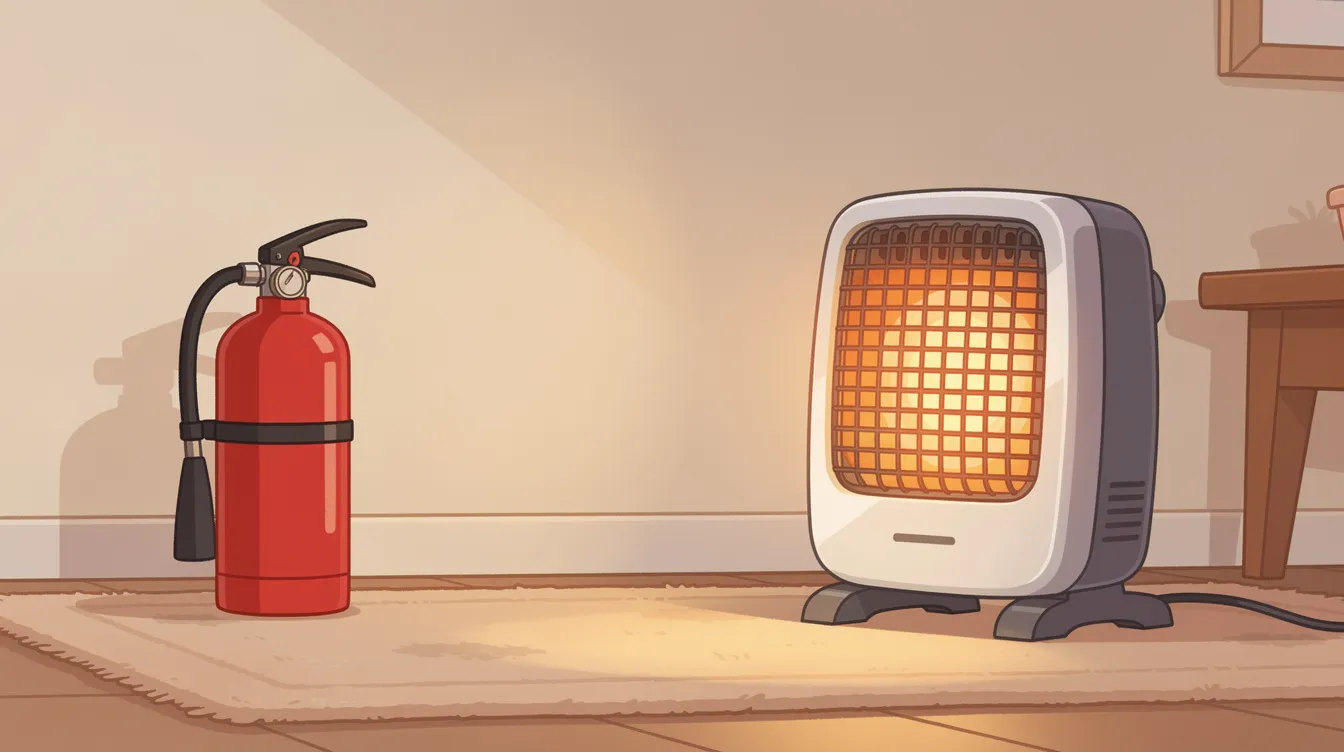
Having fire extinguishers accessible is critical for emergency preparedness. Key points to consider are:
- Choose the largest fire extinguisher you can safely handle.
- Ensure the fire extinguisher is easily accessible.
- Know how to use a fire extinguisher correctly, as it can make a significant difference in an emergency.
Remember the acronym PASS:
- Pull the pin
- Aim at the base of the fire
- Squeeze the handle
- Sweep from side to side
This method ensures you tackle the fire effectively and safely. Only use a fire extinguisher if the fire is small and contained. If the fire is spreading or too large, evacuate immediately and call emergency services.
Having an emergency plan, including knowing how to use a fire extinguisher, can prevent a small incident from becoming a major disaster. Quick action with a fire extinguisher can help prevent significant property damage in the event of a fire. Being prepared helps protect your home and family from the cause of home fires and potential fire hazards.
Seasonal Storage Tips
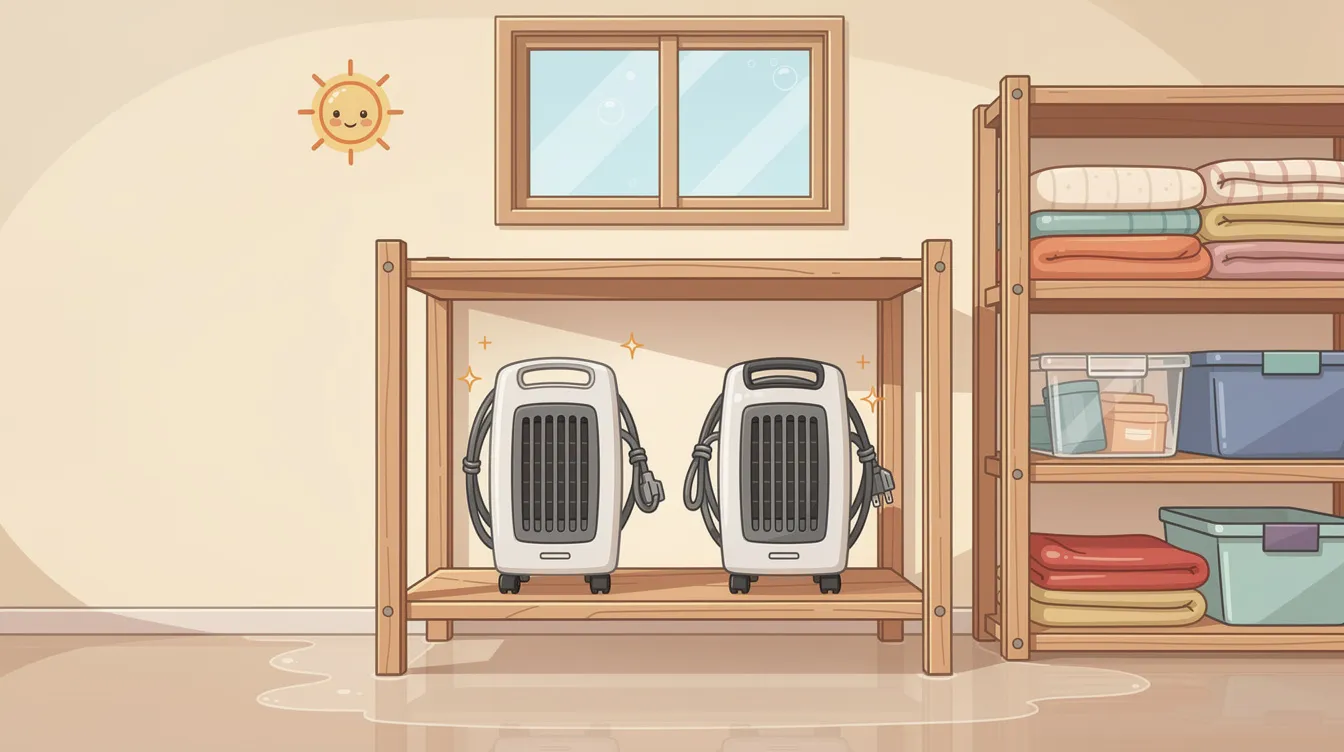
Storing your space heater properly during warmer months is essential for maintaining its condition and ensuring safe future use. Keep your heater in a dry and dust-free location to prevent damage. Moisture can cause electrical components to malfunction, while dust can accumulate and cause overheating.
Unplug the heater and store it away from flammable materials and high humidity to maintain its condition. Use the original packaging or a designated storage container to protect the heater from physical damage and dust accumulation.
Proper storage ensures your heater remains in good working condition, ready to provide warmth when the winter months return. Following these seasonal storage tips ensures the longevity and safety of your space heater, making it a reliable source of supplemental heat for many winters to come.
Summary
Ensuring space heater safety involves understanding and implementing a variety of precautions, from selecting certified units and proper placement to regular maintenance and emergency preparedness. By following these guidelines, you can enjoy the warmth and comfort of a space heater while minimizing risks. Stay vigilant, prioritize safety, and have a warm and secure winter season.
Frequently Asked Questions
What safety certifications should I look for in a space heater?
Ensure your space heater has safety certifications from recognized organizations such as UL or ETL, as this indicates it has passed rigorous safety testing and meets industry standards. This is crucial for your peace of mind and safety.
How far should I place my space heater from combustible items?
To minimize fire risk, ensure your space heater is kept at least three feet away from combustible items like curtains, furniture, and bedding. This precaution is essential for safety.
Why shouldn’t I use an extension cord with my space heater?
Using an extension cord with a space heater is dangerous as it can cause overheating and increase the risk of fire. Always plug your heater directly into a wall outlet for safety.
How often should I inspect my space heater?
You should regularly inspect your space heater’s outlets, cords, and plugs for any signs of wear or damage, especially before the heating season begins. This ensures safe and efficient operation throughout its use.
What should I do to prevent carbon monoxide poisoning?
To prevent carbon monoxide poisoning, have all fuel-burning devices inspected and properly ventilated, and install carbon monoxide detectors on each level of your home, testing them regularly to ensure they function correctly.