Keeping your home pool safe is essential. The backyard is often where home pools are located, making it a key area for safety considerations and where children may be exposed to potential dangers. This article offers practical home pool safety tips such as installing fences, using alarms, and supervising swimmers to help prevent accidents.
Key Takeaways
- Installing a secure, self-closing pool fence is essential to preventing unsupervised access, significantly reducing drowning risks.
- Pool owners should regularly maintain pool safety features, including fences and alarms, to ensure their effectiveness in preventing accidents.
- Pool owners must supervise children around pools, follow safety rules, and be prepared for emergencies to enhance overall pool safety.
Secure Your Pool Area with a Pool Fence
Home pool safety tips – key takeaways
Installing a pool fence is a fundamental step in pool safety. This simple yet effective measure can prevent unsupervised access to the pool area, significantly reducing the risk of drowning incidents. A properly installed pool fence acts as a formidable barrier, keeping children and pets from wandering into the pool without adult supervision.
The yard should also be securely fenced off from the pool area to prevent children from accessing the pool unsupervised.
Besides a pool fence, supplementary safety measures like pool alarms enhance security by alerting you to unauthorized access.
Understanding the specifics of pool fence requirements, types, and maintenance will ensure maximum safety for your pool.
Pool Fence Requirements
A pool fence should be at least 4 feet high to prevent children from climbing over it, and vertical slats should be no more than 4 inches apart to prevent squeezing through.
A critical component of the pool fence is the gate, which should be self-closing and a self latching gate. The latch should be positioned at least 54 inches from the ground to keep it out of children’s reach, enhancing overall security.
The U.S. Consumer Product Safety Commission provides official guidelines for pool fence requirements and safety standards.
Types of Pool Fences
Different types of pool fences cater to various needs. Permanent in-ground fences, typically 4 feet high, include climb-proof features and self-closing, self-latching gates, ensuring long-term security.
Above-ground pool fences integrate into the pool’s structure and are designed to prevent climbing. Fences for hot tubs restrict access when not in use, preventing accidents.
Choosing the right type of fence for your pool setup maintains a safe environment.
Regular Fence Maintenance
Regular inspections are essential to keep your pool fence effective. Check for damage or wear, such as loose gates or broken slats, and maintain metal fences to prevent rust.
Test your pool alarm system weekly and clean the sensors to avoid false alerts. Monthly battery checks and replacements keep the alarm operational, ensuring ongoing protection.
Enhance Safety with Pool Alarms
Pool alarms add an extra layer of protection by alerting you to unauthorized access, supplementing physical barriers like fences with real-time alerts.
Pool alarms and other safety devices should comply with consumer product safety standards to ensure effectiveness and reliability.
Different types of pool alarms monitor various aspects of safety. Door and gate alarms notify you of access, while surface alarms detect disturbances on the water’s surface.
While pool alarms enhance security, they should not replace a properly installed pool fence. Understanding the types of pool alarms and their installation and maintenance is crucial.
Types of Pool Alarms
Pool alarms come in various forms, each enhancing safety differently. Surface wave alarms float on the water, detecting disturbances and providing immediate alerts.
Subsurface alarms detect underwater pressure changes, reducing false alarms from environmental factors. Perimeter alarms use infrared beams to alert you when someone approaches the pool area.
Each alarm type offers unique benefits, contributing to a comprehensive safety strategy.
Installation and Maintenance Tips
Proper install and regular maintenance ensure pool alarms function correctly. Follow the manufacturer’s instructions during installation and regularly check functionality.
Clean sensors and perform battery checks regularly to maintain alarm system reliability. Storing pool chemicals safely also prevents accidents related to alarm malfunctions.
Pool Covers: An Additional Layer of Protection
Home pool safety tips – enhance safety with pool alarms
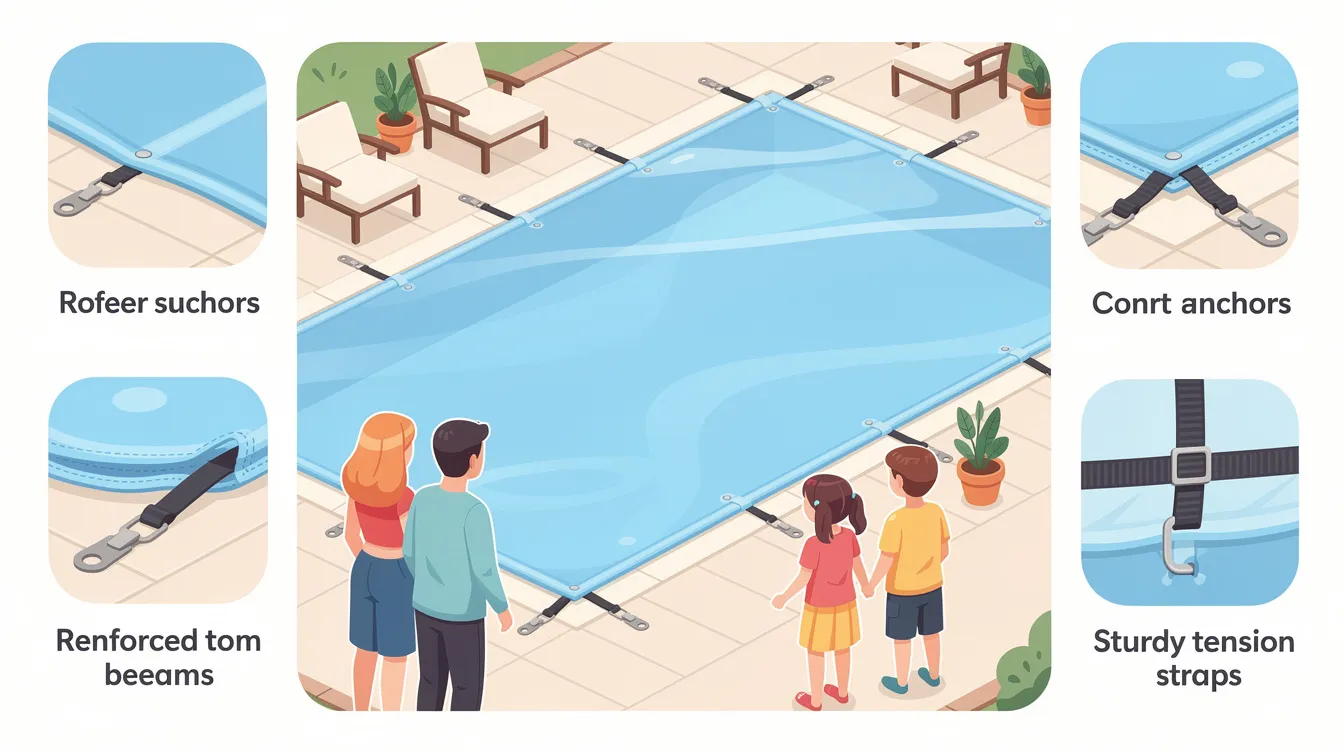
Safety covers securely enclose the swimming pool when not in use, completely surround it, significantly reducing the risk of accidental drownings by acting as a pool safe physical barrier to protect against potential hazards.
Choosing the right pool cover maximizes safety. Power-operated covers are the safest and easiest to use, providing enhanced protection. Ensure covers securely cover the entire pool.
Understanding how to choose the right pool cover and best practices for safe usage is crucial.
Choosing the Right Pool Cover
When choosing a pool cover, consider both safety and convenience. Mesh covers allow for drainage while preventing access, and automatic safety covers offer convenience and enhanced protection, including anti entrapment drain covers.
Ensure your pool cover is certified by a recognized safety standards organization and professionally installed to meet safety standards and prevent pool access.
Safe Usage Practices
Proper usage and maintenance of pool covers are crucial. Remove covers only when the pool is in use. Avoid floating solar and winter covers as they pose significant risks.
Regularly inspect pool covers for damage and ensure they are secured tightly. These practices keep your pool cover an effective safety measure, protecting against accidental drownings.
Supervision is Key: Always Watch Your Children
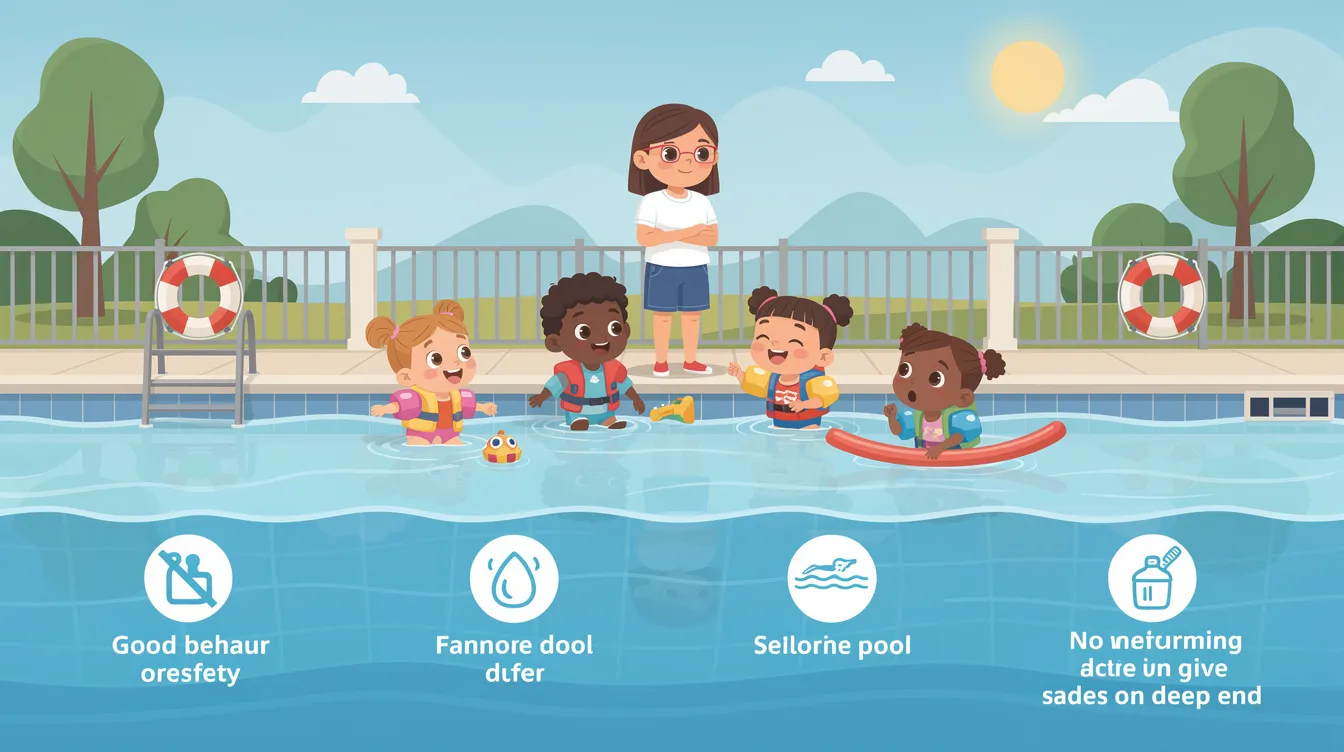
Active supervision significantly reduces the risk of drowning. Ensuring an adult is always present and attentive when children are near the pool is crucial. Young children should always be kept within arm’s reach of an adult when near the pool to prevent accidents.
To enhance pool safety:
- Avoid leaving toys in the pool area, as they can entice children to enter the water unsupervised.
- Keep toys out of the pool vicinity to reduce this risk.
- Ensure families are equipped with life-saving skills, including CPR. For additional guidance, consider these pool safety tips.
Understanding the roles of designated water watchers and the importance of lifeguards skills for parents is essential.
Designated Water Watchers
Assigning a responsible adult as a designated water watcher is crucial. This person should be at least 16 years old, vigilant, and avoid distractions like phone use.
A water watcher monitors swimmers, ensures children follow safety rules, and is prepared to act in emergencies to enforce rules, preventing accidents and ensuring safety.
Lifeguard Skills for Parents
Being prepared for pool emergencies can save lives. Parents should learn CPR and basic lifeguarding techniques. The American Red Cross offers CPR certification and water safety courses, and parents should consider staying current with their certification. Essential safety equipment, like life jackets, reaching poles, and first aid kits, should be accessible at the poolside.
Developing a clear emergency response plan with your family ensures everyone knows what to do during a pool-related emergency. To enhance preparedness:
- Develop a clear emergency response plan with your family.
- Regularly practice the plan to improve response time.
- Ensure a coordinated effort during an emergency.
Swim Lessons and Water Safety Education
Home pool safety tips – supervision is key: always watch your children
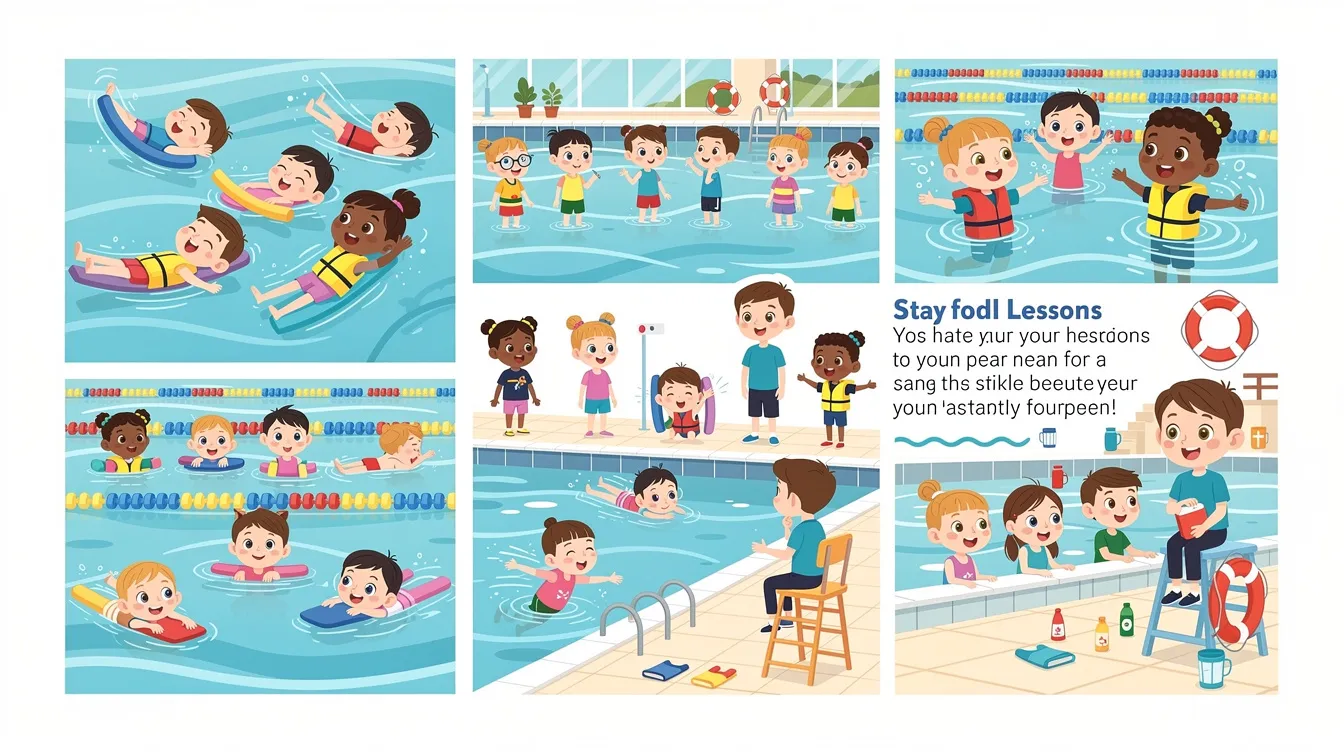
Enrolling children in swim lessons is crucial so they can learn to swim, which is a critical skill for water safety and drowning prevention. These lessons help children develop swimming proficiency and confidence, providing essential water safety skills and teaching them to swim in safe zones away from pool drains.
Active water safety education reduces the risk of accidents around pools. Teaching children about potential dangers and safe swimming practices ensures they know how to stay safe in and around water.
Knowing when to start swim lessons and how to teach water safety rules effectively is important.
When to Start Swim Lessons
Starting swim lessons early helps children become proficient swimmers. According to the American Academy of Pediatrics (AAP), children can begin swim lessons at age 1, promoting water safety and swimming skills.
Early swim lessons help children get accustomed to water and build confidence, which are crucial for prevent drowning and ensuring safe swimming experiences.
Teaching Water Safety Rules
Teaching children about pool safety rules is essential. Swim lessons can begin at age one to promote early water safety. Demonstrate safe swimming zones and teach kids to avoid and understand pool drains.
Children should swim in designated safe areas and consistently follow safety rules. Understanding pool drains and suction outlets prevents accidents and ensures a safe swimming environment.
Proper Storage of Pool Chemicals
Proper storage and handling of pool chemicals prevent accidental poisoning or injuries. Store chemicals out of children’s reach in well-ventilated, cool, dry, and dark areas. Wear protective gear like gloves and goggles when handling chemicals.
Following safe storage and handling practices for pool chemicals significantly reduces the risk of accidents and ensures a safer environment. Understanding specific safe storage guidelines and handling precautions is crucial.
Safe Storage Guidelines
Properly storing pool chemicals prevents accidental poisoning or injuries. To store chemicals safely:
- Use waterproof containers
- Keep them out of children’s reach
- Store in a cool, dry, and dark place These measures help maintain efficacy and prevent dangerous reactions.
Securely storing pool chemicals protects children and maintains the quality and safety of the chemicals. Regularly check the storage area to store pool chemicals for leaks or damage.
Handling Precautions
Only individuals trained in chemical safety should handle pool chemicals to minimize risks. Always use personal protective equipment (PPE) like gloves and goggles to prevent skin and eye irritation.
Keep chemicals in their original labeled containers to avoid mixing and misuse. Secure storage areas to keep them inaccessible to unauthorized individuals, especially children.
Emergency Preparedness
Having an emergency response plan is critical for managing unexpected incidents around the pool, emphasizing the importance of acting swiftly.
Emergency preparedness is essential to keep children safe around the pool, as it ensures you can respond quickly and effectively in case of an accident.
Parents should learn CPR and basic lifeguarding techniques to be prepared for aquatic emergencies. Storing pool chemicals in compliance with local regulations and handling them only by trained personnel can prevent accidents.
Let’s look at the essential safety equipment and safety tips to create an emergency plan.
Essential Safety Equipment
Having essential safety equipment at the pool is crucial to ensure quick responses to emergencies. Items like life rings, a well-stocked first aid kit, and a reaching pole should be readily accessible at the poolside, within arm’s reach. A reaching pole is an important tool for rescuing someone in distress without putting oneself in danger.
First aid kits should be stocked with supplies to treat common pool-related injuries, such as cuts and stings. Ensuring that life rings, first aid kits, and reaching poles are easily accessible can significantly reduce response time during emergencies.
Creating an Emergency Plan
An effective emergency plan should include designated roles for family members during a pool emergency. Practicing the emergency response plan regularly helps ensure all family members know how to act quickly in a crisis. This practice can significantly enhance a parent’s ability to respond in emergencies.
Developing and regularly practicing an emergency plan with your family ensures everyone knows what to do in case of a pool-related emergency. These proactive measures can make all the difference in a critical situation.
Addressing Other Potential Hazards
Regular maintenance and inspections of pool safety features are essential to ensure they function correctly. Regularly inspect pool covers for damage and ensure they are secured tightly to maintain their safety function. Children should learn to recognize hazards in water environments as a fundamental part of water safety education.
It is especially important to supervise children near the deep end of the pool and implement safety measures, such as barriers or alarms, to prevent accidents or falls into the deep end.
Educating children and small child about potential hazards, such as not running near the pool and understanding how to supervise children in the fun world, is crucial for their safety.
Let’s delve into securing patio doors and the importance of removing toys from the pool area to address other potential hazards.
Securing Patio Doors
Securing patio doors is crucial as it prevents children from accessing the pool unsupervised, which can significantly reduce the risk of accidental drownings. In addition to patio doors, it is important to secure all doors and windows in the house to prevent children from accessing the pool area undetected. Safeguarding patio doors by locking them can prevent young children from accessing the pool area unsupervised, especially when they are locked.
Using door alarms can also help alert you if a child tries to access the pool area through a patio door. This additional security measure ensures that children cannot enter the pool area unnoticed.
Removing Toys from the Pool Area
Leaving toys in the pool can attract children and increase their risk of drowning, as they may attempt to retrieve the toys unsupervised. Toys can create distractions for both children and adults supervising the pool, leading to lapses in attention that could be dangerous.
To maintain a safer pool environment:
- Regularly remove toys from the pool area to encourage vigilant adult supervision.
- Never use toys as safety devices; they are meant solely for play.
- Keep the pool area clutter-free to enhance overall safety.
Summary
Ensuring pool safety is a multi-faceted approach that involves securing the pool area with fences, using pool alarms, and maintaining constant supervision. Enrolling children in swim lessons, properly storing pool chemicals, and being prepared for emergencies are also crucial steps. By addressing these key areas, families can create a safer environment around their pools and enjoy their time in the water with peace of mind. Remember, constant vigilance and proactive measures are the best ways to prevent accidents and keep everyone safe.
These safety measures should be applied to any pool or spa at home to ensure comprehensive protection for all family members.
Frequently Asked Questions
FAQ
Q: What are the most important home pool safety tips?
A: Always supervise children, install barriers like fences, use pool covers, keep rescue equipment nearby, and ensure everyone knows how to swim.
Q: How often should I check my pool safety equipment?
A: Inspect safety equipment such as life rings, pool alarms, and fences at least once a month to ensure they are in good working condition.
Q: How do safety measures for home pools differ from those for public pools?
A: Public pools typically have lifeguards on duty and must follow strict safety regulations and standards set by local authorities. Home pools rely on the homeowner for supervision and safety measures, so it’s crucial to implement barriers, alarms, and constant supervision, as there are no lifeguards or enforced regulations like at public pools.
What is the ideal height for a pool fence to ensure safety?
The ideal height for a pool fence is at least 4 feet to effectively deter small children from climbing over it. Ensuring this height is crucial for maintaining safety around your pool.
How do pool alarms enhance pool safety?
Pool alarms enhance safety by alerting you to unauthorized access, which complements existing barriers like fences. This added layer of security helps prevent accidents and provides peace of mind.
What type of pool cover is considered the safest?
Power-operated covers are the safest option for pool safety, offering both ease of use and security.
When should children start swim lessons?
Children should start swim lessons at age 1, as recommended by the American Academy of Pediatrics. Early exposure can enhance water safety skills.
Why is it important to remove toys from the pool area?
It is crucial to remove toys from the pool area to diminish children’s attraction to the water, significantly lowering the risk of unsupervised access and potential drownings. Ensuring safety should always be the top priority.