This home fire safety prevention guide provides essential tips to prevent fires and protect your family. From smoke alarms to fire extinguishers, learn how to keep your home safe.
Key Takeaways
- Smoke alarms are essential for home fire safety; they should be installed on every level and in each bedroom for maximum effectiveness.
- Developing and practicing a fire escape plan helps families evacuate quickly and safely during a fire emergency.
- Regular maintenance of smoke alarms, fire extinguishers, and safe cooking practices are crucial in preventing home fires.
- Organizations like the American Red Cross offer additional fire safety resources and emergency preparedness guidance.
Importance of Smoke Alarms
Home fire safety prevention guide – key takeaways
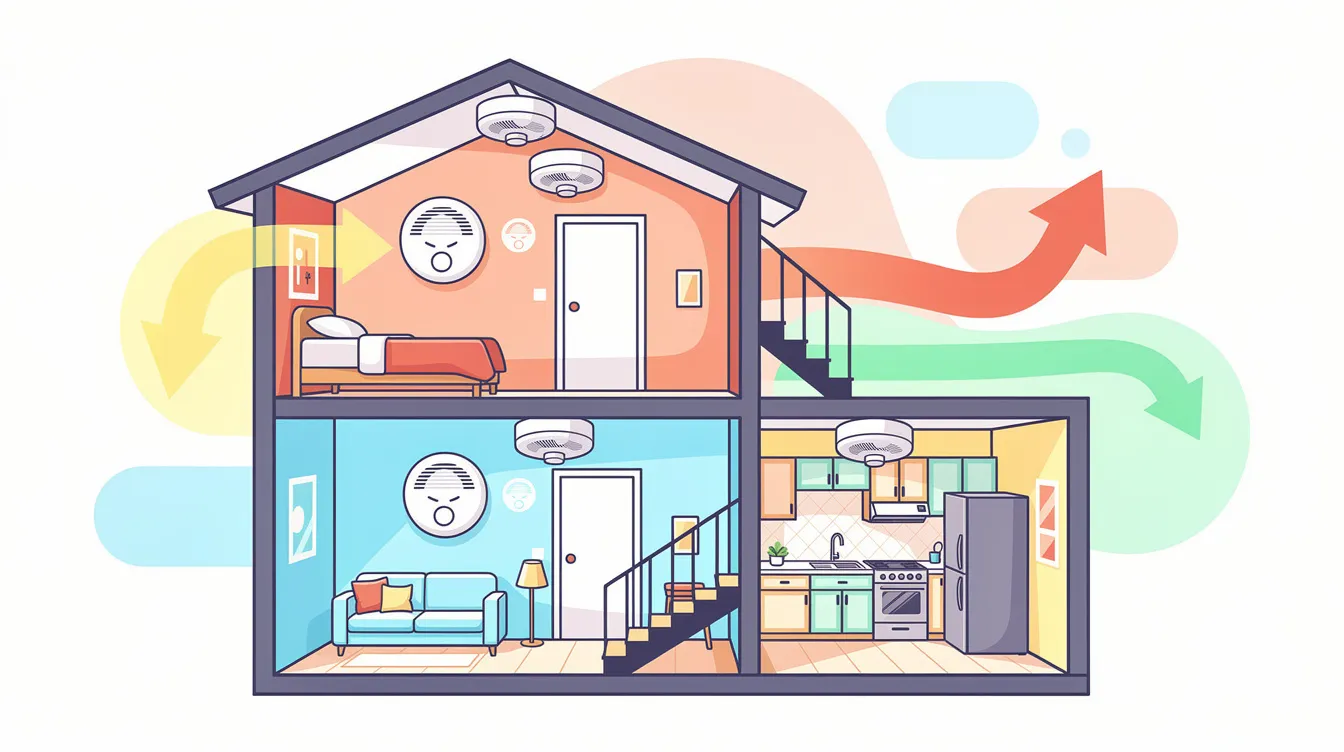
Smoke alarms are the first line of defense in detecting a fire, giving you and your family the crucial time needed to evacuate safely. During 2018 to 2022, approximately 74% of reported home fires had smoke alarms present, showcasing their prevalence in homes. However, simply having smoke alarms isn’t enough; their placement and functionality are critical to ensuring maximum safety.
Research indicates that interconnected smoke alarms on every level, which sound in unison throughout the home when one detects smoke, significantly improve occupant awareness during a fire incident. These alarms should be installed inside every bedroom, outside sleeping areas, and on every level of the house, including the basement, with alarms on every level ensuring that the alarm will wake you even if you’re sleeping with the door closed.
It’s not just about waking up; it’s about how quickly you can react. Residents may have less than two minutes to evacuate once a smoke alarm goes off. This narrow window of time highlights the importance of having a working smoke alarm in the right locations, as it can save lives.
The Consumer Product Safety Commission provides federal safety guidelines for smoke alarms and other fire safety devices, helping ensure that these products meet important safety standards.
Ensure your smoke alarms are away from drafts, such as windows and doors, to maintain their functionality. Prioritizing smoke alarm installation and maintenance significantly enhances your home’s fire safety.
Developing a Fire Escape Plan
A fire escape plan is your roadmap to safety when a fire occurs. It allows your family to get out of your home quickly and safely, minimizing panic and confusion. The first step in developing a fire escape plan is to identify two exits from every room in your home. This ensures that if one exit is blocked by fire or smoke, there’s an alternative route to safety.
Regularly practicing your home fire escape plan helps maintain readiness. Consider the following tips:
- Conduct regular drills to ensure everyone knows what to do and where to go during an emergency.
- Perform drills at different times of the day and night to prepare for various scenarios.
- Teach children how to escape on their own in case you can’t help them.
A designated meeting spot outside the home helps account for all family members after evacuation. This spot should be a family safe distance from your home, such as a neighbor’s house or a landmark like a tree or mailbox. Be sure to include pets in your fire escape plan and make arrangements to ensure their safety during evacuation.
Once everyone is out, never re-enter the burning building. A well-thought-out fire escape plan, practiced regularly, increases your family’s safety during a fire emergency.
Preventing Home Fires
Home fire safety prevention guide – developing a fire escape plan
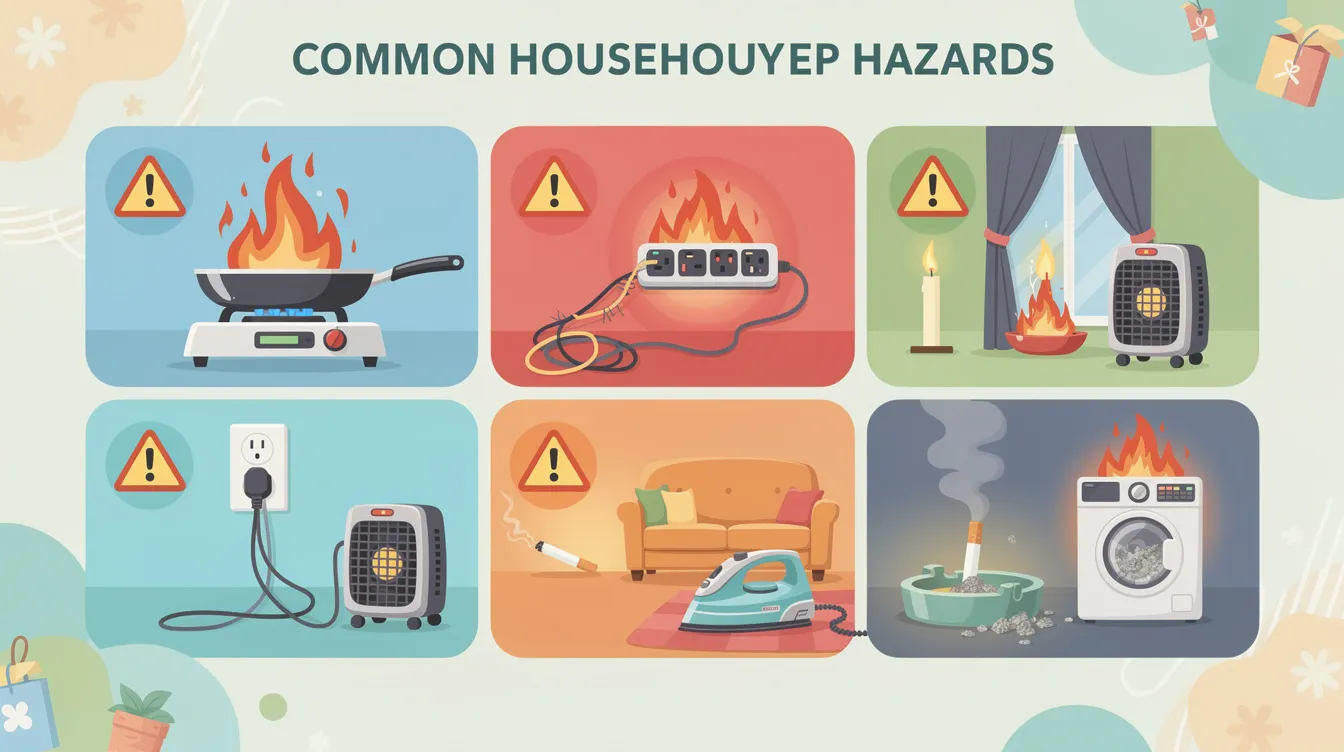
Preventing home fires starts with implementing simple yet effective fire safety tips:
- Regular maintenance of appliances and systems
- Safe cooking practices
- Proper use of heating equipment Engaging with your local fire department for ongoing public education on fire safety is also beneficial.
Let’s delve into specific practices that can help keep your home safe from fires, including being cautious with burning candles.
Safe Cooking Practices
Cooking is a leading cause of home fires, with unattended cooking equipment responsible for 37% of home cooking fire incidents. To prevent such incidents, consider the following safety tips:
- Stay in the kitchen while cooking.
- Never leave cooking unattended, even for a short period.
- Keep cooking surfaces clear of flammable materials, such as paper towels and wooden utensils, to avoid accidental fires.
Having safety tools nearby can make a significant difference. Keep a lid within reach while frying; it can quickly smother a fire if needed. Additionally, using timers to remind you when to check on food can be a valuable tool, especially for older adults.
These simple steps can help protect your home and family from cooking-related fires.
Proper Use of Heating Equipment
Heating equipment, such as space heaters, poses significant fire risks if not used properly. It’s crucial to maintain a safe distance from flammable materials to prevent fire hazards and excessive heat. Space heaters should always be kept at least three feet away from flammable items like curtains, bedding, and furniture.
All heating devices should be placed at least three feet away from anything flammable. Adhering to these safety distances significantly reduces fire hazards associated with heating equipment.
Maintaining Smoke Alarms
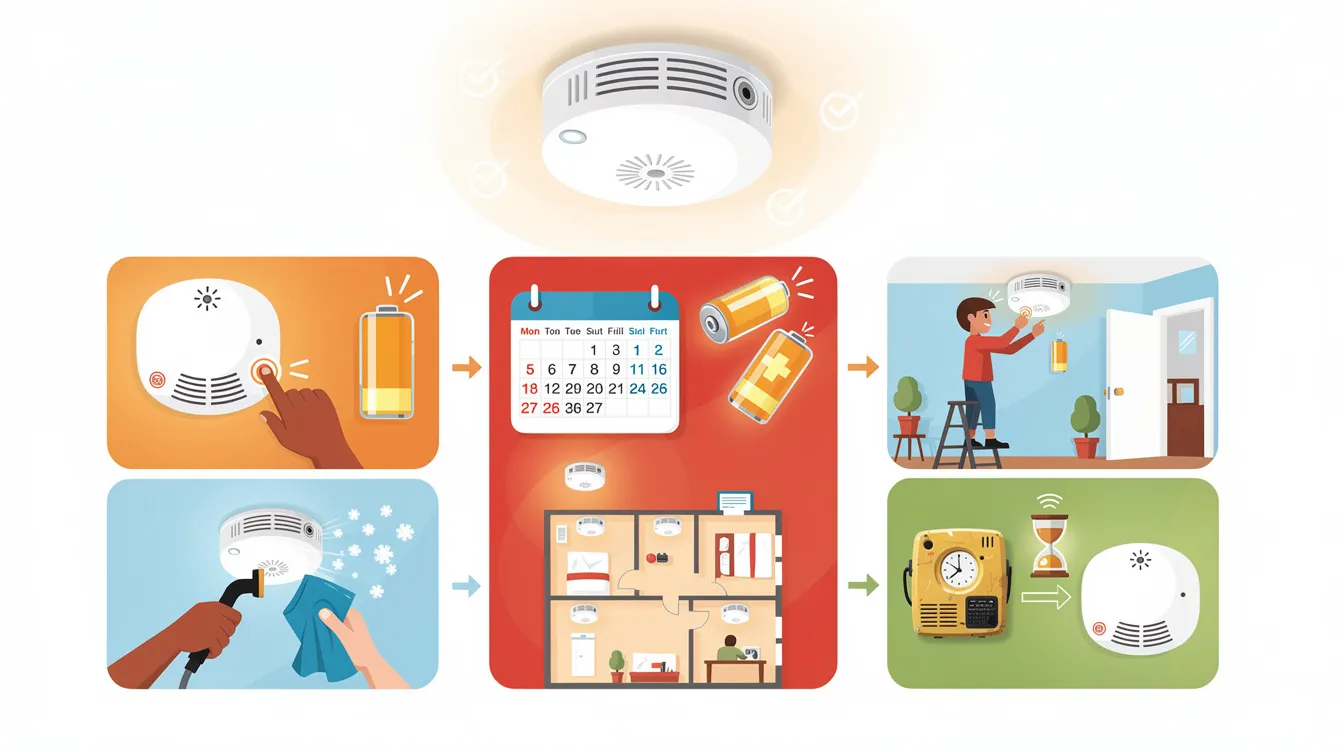
Regular maintenance of smoke alarms is critical for home fire safety. Regularly testing smoke alarms monthly ensures they are functioning correctly and that everyone in the home recognizes the alarm sound. This practice can be a lifesaver, providing early warning and valuable time to evacuate.
Replacing batteries in smoke alarms is another essential maintenance task. Here are some key points to consider:
- Traditional battery-powered alarms should have their batteries replaced at least twice a year.
- For added safety, consider interconnected smoke alarms, which ensure that if one alarm sounds, all alarms will sound.
- All smoke alarms should be replaced every ten years, regardless of their power source. Remember to replace batteries regularly for optimal performance, including lithium ion batteries.
Proper installation of smoke alarms is vital as well. They should be installed on every level of a home, including basements, and in each bedroom. Ensuring that smoke alarms are installed away from drafts, such as windows and doors, will maintain their functionality. Following these guidelines ensures your smoke alarms are always ready to protect your home and family. To further enhance safety, it is crucial to install smoke alarms properly.
Handling Flammable Materials
Home fire safety prevention guide – maintaining smoke alarms
Flammable materials, if not handled properly, can pose significant fire hazards. Safe storage methods are crucial to prevent accidents. Flammable liquids should be stored in approved containers designed specifically for this purpose. Additionally, no more than 25 gallons of flammable liquids should be stored in a single room unless in a locked cabinet.
Proper storage areas for flammable substances must:
- Have fire-resistant construction
- Include proper ventilation
- Be kept clear of clutter and combustible materials to minimize the risk of fire
- Avoid storing flammable materials near exits or areas used for safe passage
When handling and dispensing flammable materials, follow these safety precautions:
- Use safety cans for small quantities, typically defined as five gallons or less.
- Conduct dispensing operations away from ignition sources.
- Ensure adequate ventilation during dispensing.
Following these safety precautions significantly reduces the risk of fire hazards associated with flammable materials.
Using Fire Extinguishers Effectively
Fire extinguishers are vital tools in home fire safety, but their effectiveness depends on proper placement and maintenance. Fire extinguishers must be placed in easily accessible locations and clearly marked for visibility. This ensures that they can be quickly located and used in an emergency.
Maintaining fire extinguishers involves regular checks to ensure they are in good working condition. Visibility and accessibility are crucial, as a hidden or hard-to-reach fire extinguisher is of little use during a fire.
Proper placement and maintenance of fire extinguishers prepare you to tackle small fires before they escalate.
Carbon Monoxide Safety
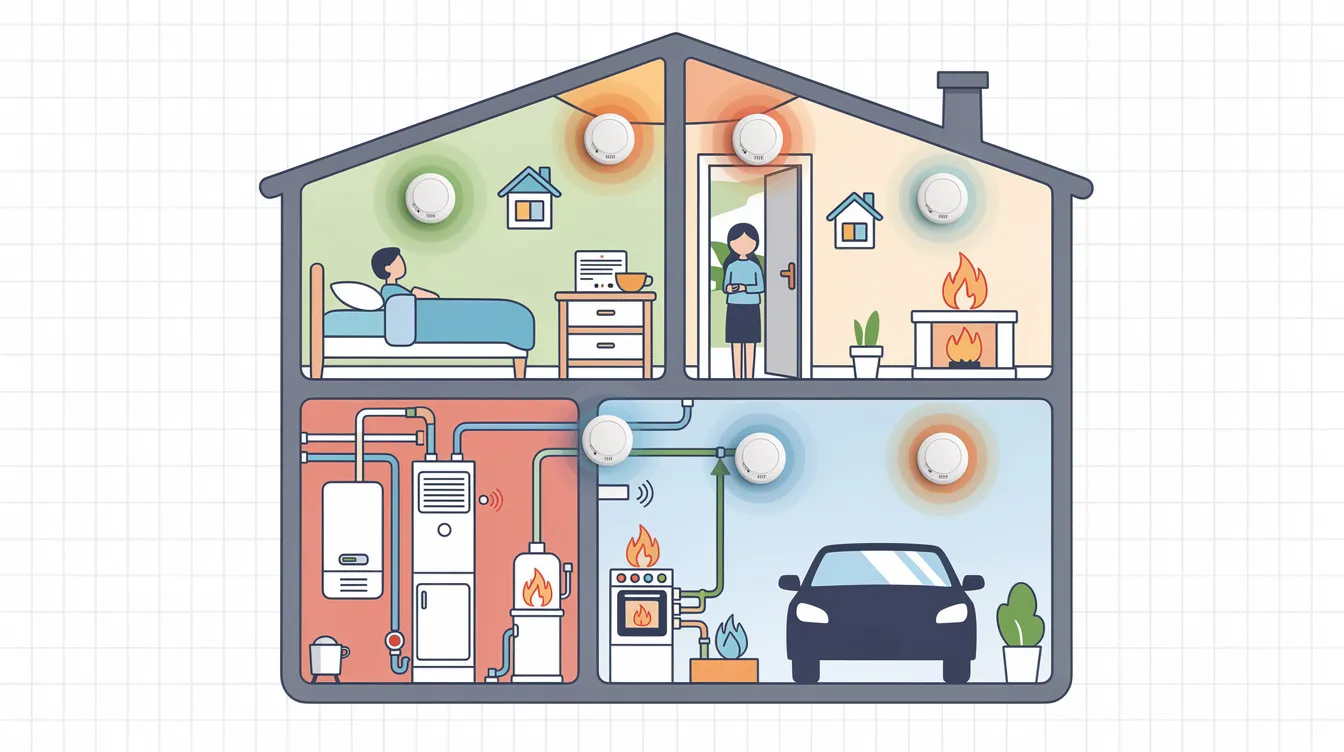
Carbon monoxide (CO) is often referred to as the “invisible killer” due to its colorless and odorless nature, making it hard to detect without proper alarms. Each year, over 150 individuals in the U.S. die from unintentional carbon monoxide exposure. Installing CO detectors in central locations outside sleeping areas and on every level of a home is crucial for early detection.
Preventing CO buildup involves using portable generators only outdoors and placing them well away from windows and doors to prevent CO from entering the home. Taking these precautions protects your family from carbon monoxide poisoning.
Special Considerations for Older Adults and Children
Older adults are particularly vulnerable to fire hazards, being 2.5 times more likely to experience fire deaths than the general population. Physical limitations, cognitive impairments, and the use of medications can increase fire risks for this group. Older adults should have a clear fire escape plan involving discussions with family members and neighbors.
For those using mobility aids, consider the following to ensure safety and accessibility:
- Ensure that all exits are accessible and clearly marked.
- Use smoke alarms suited to older adults’ needs, such as those with different sounds or accompanying visual signals like strobe lights, especially for those who are hard of hearing.
- Caregivers should routinely check smoke alarms for older adults who are unable to do so themselves.
Children also require special consideration. Teaching kids how to escape on their own and regularly practicing fire drills can significantly improve their chances of staying safe during a fire. Addressing the specific needs of older adults and children ensures all family members are protected.
What to Do if Your Clothes Catch Fire
If your clothes catch fire, responding quickly and correctly can reduce the severity of burns. The primary response is to STOP, DROP, and ROLL. Running can worsen the situation, as it can fan the flames. Instead, one should drop to the ground and cover their face with their hands.
Rolling on the ground helps to extinguish the flames, and one should continue rolling until the fire is completely out. Remember, the key is to act quickly and follow these steps to minimize injury.
Working with the Fire Department
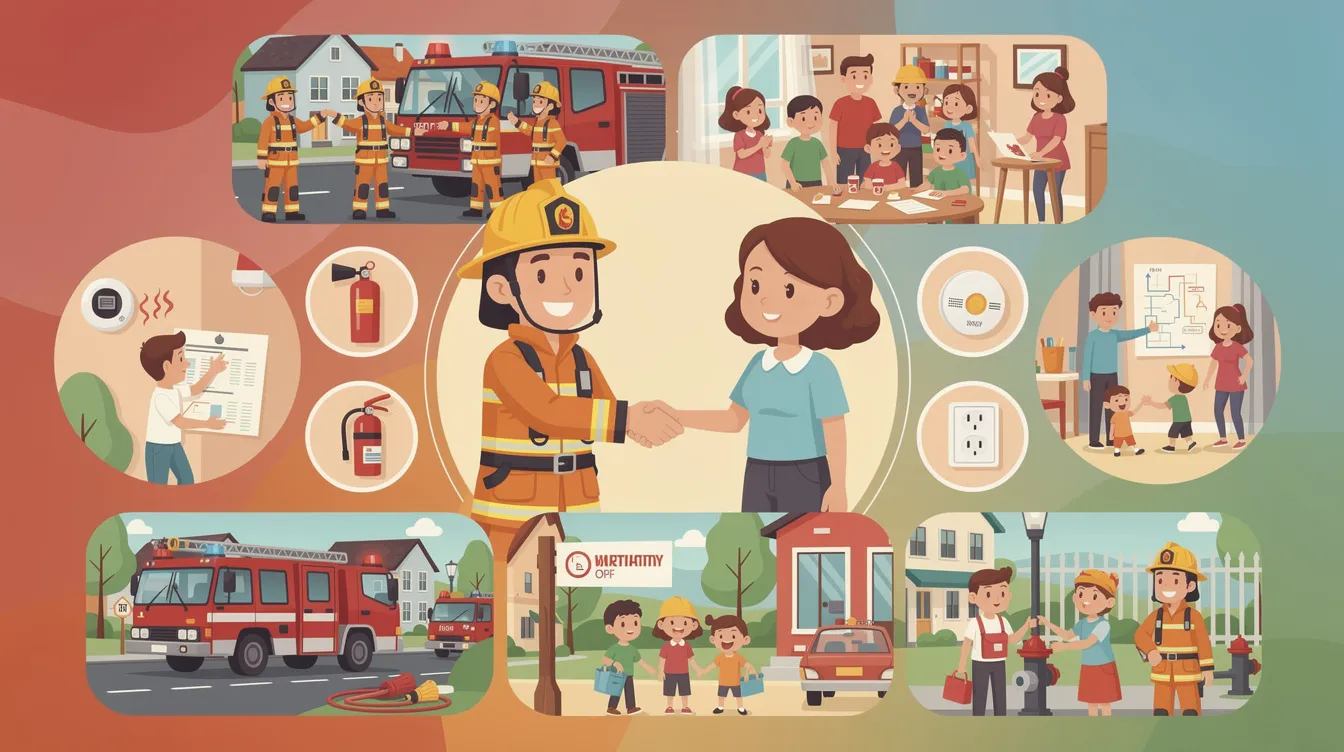
Working with your local fire department is essential for improving community fire safety. Community collaborations with local fire departments can enhance fire safety through:
- Shared resources
- Organized inspections Engaging with fire departments allows communities to participate in:
- Tailored fire safety programs
- Training opportunities.
Collaborating with your fire department provides valuable guidance and resources for effective fire risk assessments and safety action plans, as recommended by the national fire protection association. This partnership can significantly improve fire safety within your community.
Additionally, the Red Cross is a valuable resource for fire safety information, emergency preparedness, and disaster response assistance, helping individuals and communities stay protected.
Summary
In summary, enhancing home fire safety involves a combination of preventive measures, proper equipment maintenance, and preparedness. Installing and maintaining smoke alarms, developing a fire escape plan, and practicing safe cooking and heating equipment use are all crucial steps. Additionally, handling flammable materials correctly and using fire extinguishers effectively can prevent small fires from becoming major disasters.
By staying informed and proactive, you can protect your home and loved ones from the devastating effects of fire. Remember, fire safety is a continuous process that requires vigilance and regular updates to your safety practices. Stay safe and keep your family protected.
Frequently Asked Questions
Frequently Asked Questions
Q: How often should I check my smoke alarms?
A: Test your smoke alarms at least once a month and replace the batteries at least once a year. Replace the entire smoke alarm every 10 years.
Q: What should I do if I smell gas in my home?
A: Leave your home immediately and call your gas company or emergency services from a safe location. Do not use electrical switches or phones inside your home.
Q: Who should I contact after a home fire?
A: After making sure everyone is safe and the fire department has been notified, you should contact your insurance company to report the incident and begin the claims process. It is also important to contact fire damage restoration services for instructions and assistance with recovery and repairs.
How often should I test my smoke alarms?
You should test your smoke alarms monthly to ensure they are operating properly. Regular checks are vital for your safety.
Where should I place smoke alarms in my home?
To enhance safety, install smoke alarms inside each bedroom, outside sleeping areas, and on every level of your home, including the basement. This ensures early detection and alertness in case of fire.
What should I do if my clothes catch fire?
If your clothes catch fire, immediately STOP, DROP, and ROLL to put out the flames. This simple action can save your life and minimize injuries.
How can I prevent carbon monoxide poisoning in my home?
To prevent carbon monoxide poisoning in your home, ensure you install CO detectors near sleeping areas and on each level, and always use portable generators outside. Taking these precautions can significantly enhance your safety.
What special considerations should I take for older adults in my home?
It’s crucial to make sure exits are accessible and install smoke alarms with visual signals, while also regularly checking these alarms for older adults who may not be able to do so independently. These precautions can significantly enhance their safety at home.