Looking for the best AI home security cameras 2026? Learn about the latest models offering advanced features like crystal-clear video, smart motion detection, and seamless smart home integration. Discover which cameras lead the market and how they can enhance your home security.
Key Takeaways
- AI home security cameras in 2026 feature self-learning capabilities, enhanced video quality, and smart motion detection for improved security.
- Motion alerts provide immediate notifications of activity, enabling real-time security and enhancing surveillance effectiveness.
- Integration with smart home systems enables seamless operation with devices like Google Home, Alexa, and Apple HomeKit for comprehensive security solutions.
- When selecting an AI security camera, prioritize advanced detection features, reliable data encryption, and weather-resistant designs for optimal home protection.
The Latest in AI-Powered Security Cameras
Ai home security cameras 2026 – key takeaways
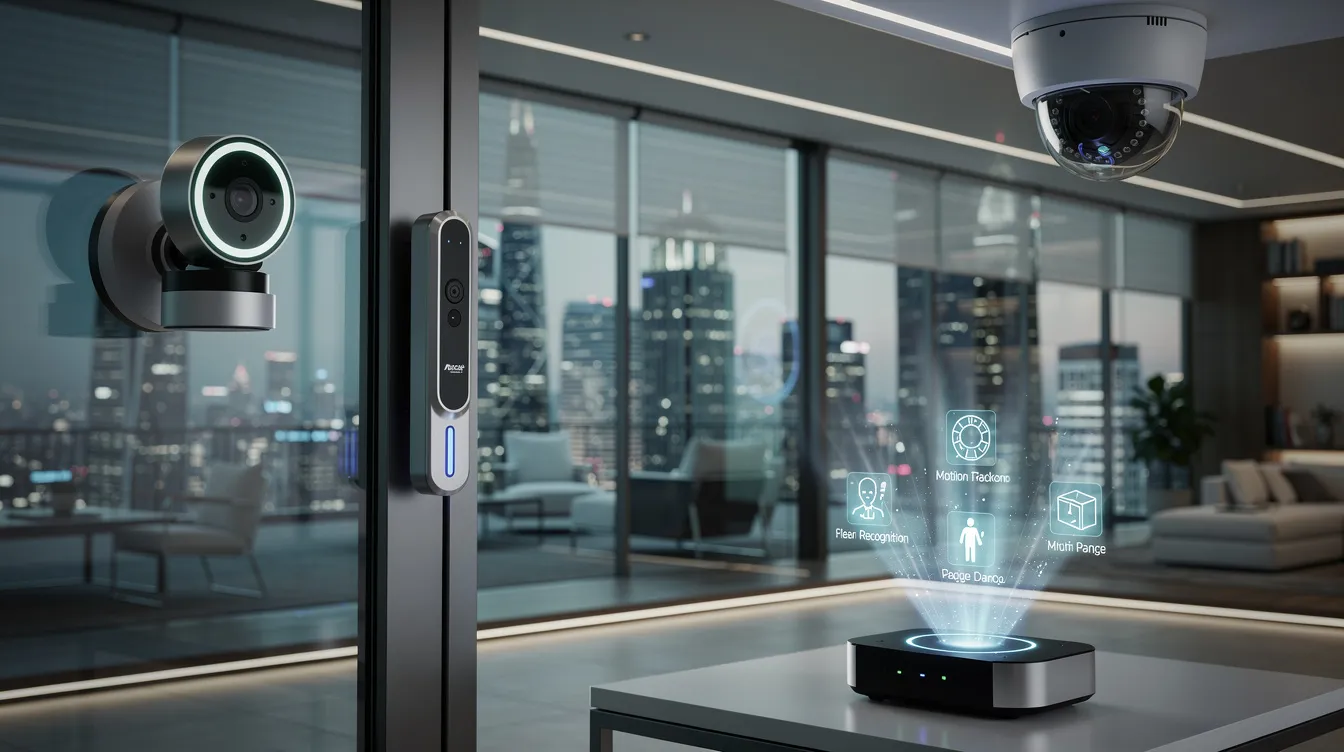
The landscape of home security has been revolutionized by the advent of AI-powered security cameras. Over the past few years, advancements in technology have accelerated, resulting in smarter and more reliable devices. These devices are no longer just passive observers; they are active participants in safeguarding your home. The latest advancements focus on high-quality video analytics and sustainable technology options, making AI surveillance cameras smarter and more efficient than ever before.
One of the most remarkable developments is the introduction of self-learning features. These advanced AI systems allow cameras to autonomously understand and react to various scenarios without human input, adapting to new environments and threats continuously. This self-learning ability directly contributes to enhancing your home’s security by enabling the cameras to interpret complex environments and improve decision-making over time.
These advancements don’t just improve the devices’ functionality; they significantly enhance security by reducing false alarms and providing more accurate threat detection. The key trends for 2026 include:
- Enhanced video quality
- Smart motion detection
- Seamless integration with smart home systems These features collectively contribute to a more robust and reliable security setup.
Enhanced Video Quality
Video quality is paramount in modern home security cameras, and the latest models have pushed the boundaries with 4K resolution. This high resolution ensures sharp and detailed images, which are crucial for identifying intruders and capturing critical details. High-resolution camera quality models from brands like Blink and Nest are setting new standards in clarity and precision.
Advancements in low-light performance have also been significant. New AI security cameras utilize larger image sensors that capture more light, reducing video noise in low-light conditions. For instance, the Arlo Pro 5S features advanced color night vision capabilities, enabled by its built-in spotlight, ensuring visibility even in complete darkness.
However, it’s important to consider the potential challenges associated with high video quality. While it improves surveillance capabilities, higher resolution can lead to increased bandwidth usage and potential transmission delays. Balancing these factors is crucial for maintaining an effective security system.
Smart Motion Detection
Smart motion detection has evolved to a level where AI cameras can identify objects such as humans, vehicles, and other objects, significantly reducing false alarms. This object detection differentiation is crucial for enhancing security as it ensures that alerts are triggered only by relevant activities, minimizing unnecessary disturbances.
Many modern AI cameras also include audio detection, which provides alerts based on unusual sounds for more comprehensive monitoring.
Modern AI cameras employ advanced algorithms to analyze motion and send alerts based on unusual activity. These customizable detection capabilities allow users to fine-tune their security systems to focus on specific types of motion, enhancing overall effectiveness. The ability to accurately identify and respond to different objects in real time is a game-changer in home security.
These advancements mean that your AI security camera can provide smart alerts tailored to the detected activity, whether it’s a person approaching your door, a vehicle entering your driveway, or an animal passing by. This level of precision is invaluable for maintaining a secure and peaceful home environment.
Integration with Smart Home Systems
Integration with smart home systems is a critical feature of modern AI security cameras. These devices are compatible with major ecosystems such as:
- Google Home
- Alexa
- Apple HomeKit This compatibility allows for seamless operation within your existing setup, enabling you to control your security cameras alongside other smart devices and create a cohesive and automated home security network.
Smart home devices like smart bulbs and thermostats can be integrated into the smarter security system, enhancing its complexity and effectiveness. For instance, you can set your lights to turn on automatically when motion is detected, deterring potential intruders. Clear naming of security devices helps avoid confusion with voice commands when integrating them with voice assistants.
An open AI camera system is essential for seamless integration with existing security systems. This ensures that your new AI cameras work harmoniously with your current setup, providing a comprehensive and unified security solution.
Top AI Home Security Cameras of 2026
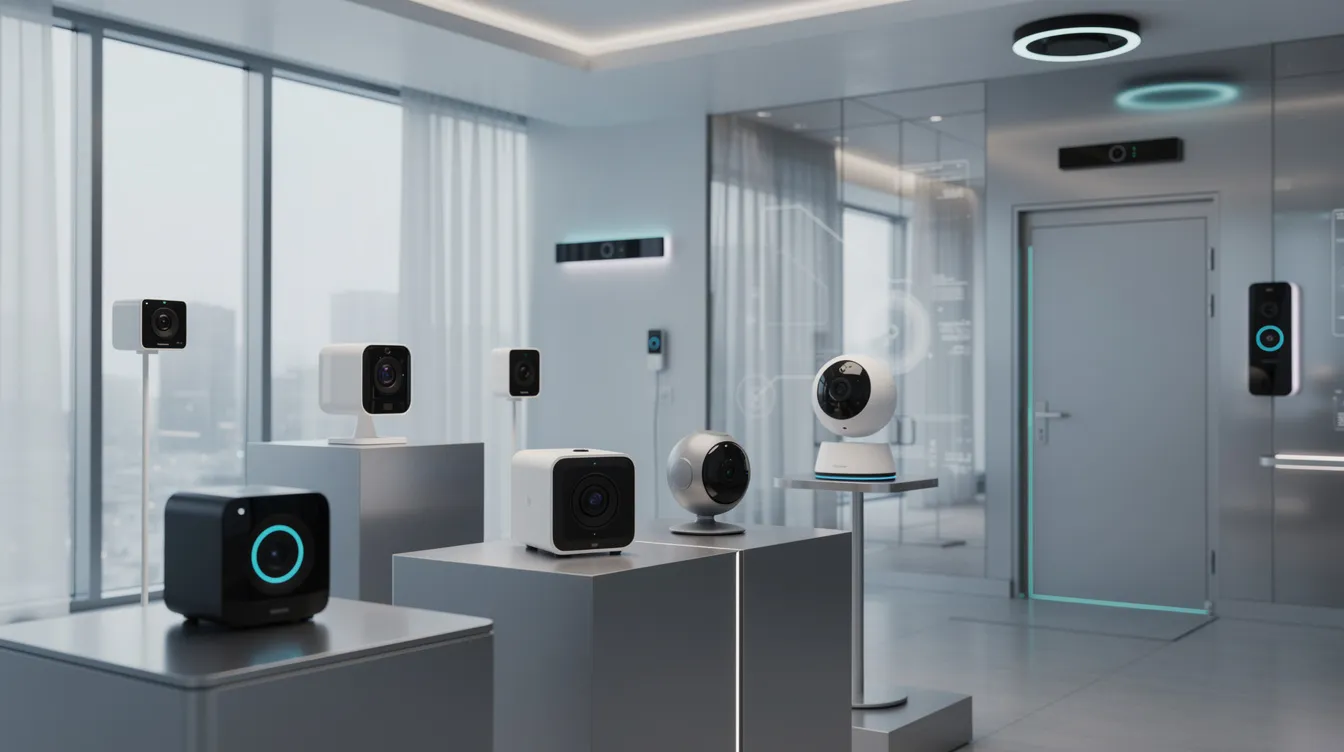
Choosing the right best ai security cameras can be daunting with so many options available. We have compiled a list of the top AI home security cameras of 2026, each offering unique features and benefits, to help you navigate.
Unlike other cameras on the market, these models deliver superior video quality, advanced AI detection, and enhanced night vision, setting them apart from competing brands. These models stand out for their advanced features and user-friendly designs, making them ideal for enhancing home security with smart features and smart cameras.
Arlo Pro 6
The Arlo Pro 6 is a standout in the AI home security market, thanks to its advanced technology and user-friendly features. This camera offers high-resolution video capabilities, an integrated spotlight, and a user-friendly app that makes monitoring easy and efficient.
One of the key features of the Arlo Pro 6 is its advanced detection capabilities, which include:
- Person detection
- Package detection
- Animal detection
- Vehicle detection
- Fire detection
- Siren detection
These functionalities ensure that you receive precise alerts based on the type of activity detected, enhancing your home’s security.
With its premium features and competitive price point, the Arlo Pro 6 provides excellent value for money, making it an attractive option for those looking to upgrade their home security system.
Nest Cam IQ
The Nest Cam IQ is known for its seamless integration with existing Google Home systems, making it an excellent choice for those already invested in the Google ecosystem. This camera offers three hours of free video storage, which is sufficient for most users to review recent activities.
A standout feature of the Nest Cam IQ includes:
- Loud and clear two-way audio, allowing for effective communication with anyone near the camera.
- Impressive video quality, featuring 1080p resolution.
- HDR night vision capabilities, ensuring clear and detailed footage both day and night.
Overall, the Nest Cam IQ offers a blend of high-quality video, seamless integration, and user-friendly features, making it a top contender in the AI home security market.
EufyCam 4
The EufyCam 4 is designed for optimal home security with significant advancements in battery life and AI technology. One of its most notable features is its impressive battery life, which can last for several months on a single charge, reducing the need for frequent recharging.
This camera offers free cloud storage, allowing users to save and access their video footage without any subscription fees, making it a cost-effective solution for long-term use. The enhanced AI features in the EufyCam 4 improve security through smart alerts, motion detection, and real-time monitoring capabilities, ensuring your home is always protected.
With its long battery life, free cloud storage, and advanced AI features, the EufyCam 4 stands out as a reliable and efficient choice for home security.
Key Features to Look for in AI Security Cameras
Ai home security cameras 2026 – top ai home security cameras of 2026
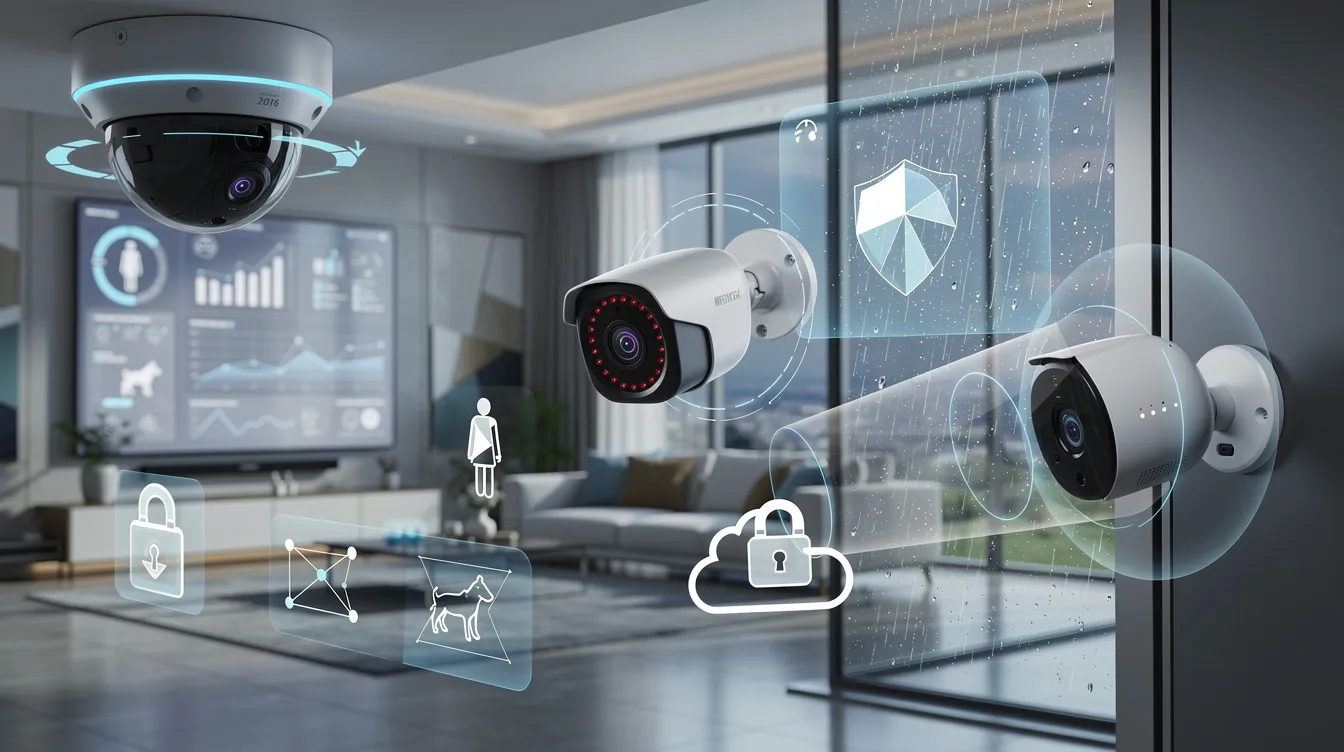
When selecting an AI home security camera, there are several key features to consider to ensure you get the best protection for your home. High-performance image signal processing (ISP) technology enhances video analytics by distinguishing relevant objects from background noise, making it crucial for accurate monitoring.
Wireless cameras are a popular option for easy installation and flexibility, offering portability and simple setup for both indoor and outdoor use. Video doorbells are also an important component of a comprehensive home security system, providing monitoring and recording at entry points, and often featuring AI detection for package alerts and visitor identification.
AI algorithms allow security cameras to learn typical activity patterns, enabling them to flag unusual behaviors or events, which is essential for proactive security measures. Additionally, next-generation AI cameras will feature enhanced capabilities for real-time threat detection, significantly reducing false alerts and improving overall security.
Some systems offer professional monitoring, which provides 24/7 active oversight from monitoring centers and emergency response support, often available through subscription plans for added peace of mind.
Advanced detection capabilities, such as human and vehicle differentiation, are vital for reducing false alarms and ensuring that alerts are only triggered by relevant activities. As AI home security cameras continue to evolve, improved data analytics and predictive capabilities will further enhance monitoring accuracy and response strategies.
Human and Vehicle Detection
Advanced detection capabilities in AI security cameras are essential for improving home security and minimizing false alerts. These cameras can differentiate between various objects, such as humans and vehicles, significantly reducing false alarms and ensuring that alerts are only triggered by relevant activities.
Recent advancements in algorithms have improved the accuracy of facial recognition systems, reducing false positives and enhancing identification reliability. These improvements mean that modern facial recognition systems can accurately identify individuals even under various lighting and angle conditions, making them more dependable for security purposes.
As detection technologies continue to advance, AI security cameras will become even more effective in enhancing security and reducing the burden of false alerts.
Built-In Spotlight and Siren
Built-in spotlight and siren features in security cameras provide significant benefits in deterring intruders and enhancing night-time security. The EufyCam 4, for example, features a built-in spotlight that enhances visibility during night-time monitoring, ensuring that any activity is clearly visible even in complete darkness.
A built-in siren can be manually activated through an app, allowing homeowners to alert others during a security breach. This feature can be particularly useful in deterring intruders and alerting neighbors or security personnel to potential threats.
The combination of a spotlight and siren enhances the overall effectiveness of home security systems by increasing visibility and providing immediate alerts, making it harder for intruders to go unnoticed.
Continuous Recording vs. Motion-Triggered Recording
The two main options for video recording in AI security cameras are continuous recording and motion-triggered recording. Continuous recording offers comprehensive monitoring but requires more storage space, while motion-triggered recording is storage-efficient but may miss important events.
Motion-triggered recording saves storage space by only capturing footage when activity is detected, making it a practical choice for many users. However, it is essential to balance this with the need for comprehensive monitoring, which does not necessarily reflect that no critical events are missed.
Cloud storage for video footage typically incurs a monthly fee ranging from $5 to $10, while local storage provides a cost-effective alternative but may be prone to hardware failures. Employing a mix of local and cloud storage solutions can ensure that your video footage is both accessible and secure, providing a reliable backup in case of hardware issues.
Comparing Indoor vs. Outdoor AI Security Cameras
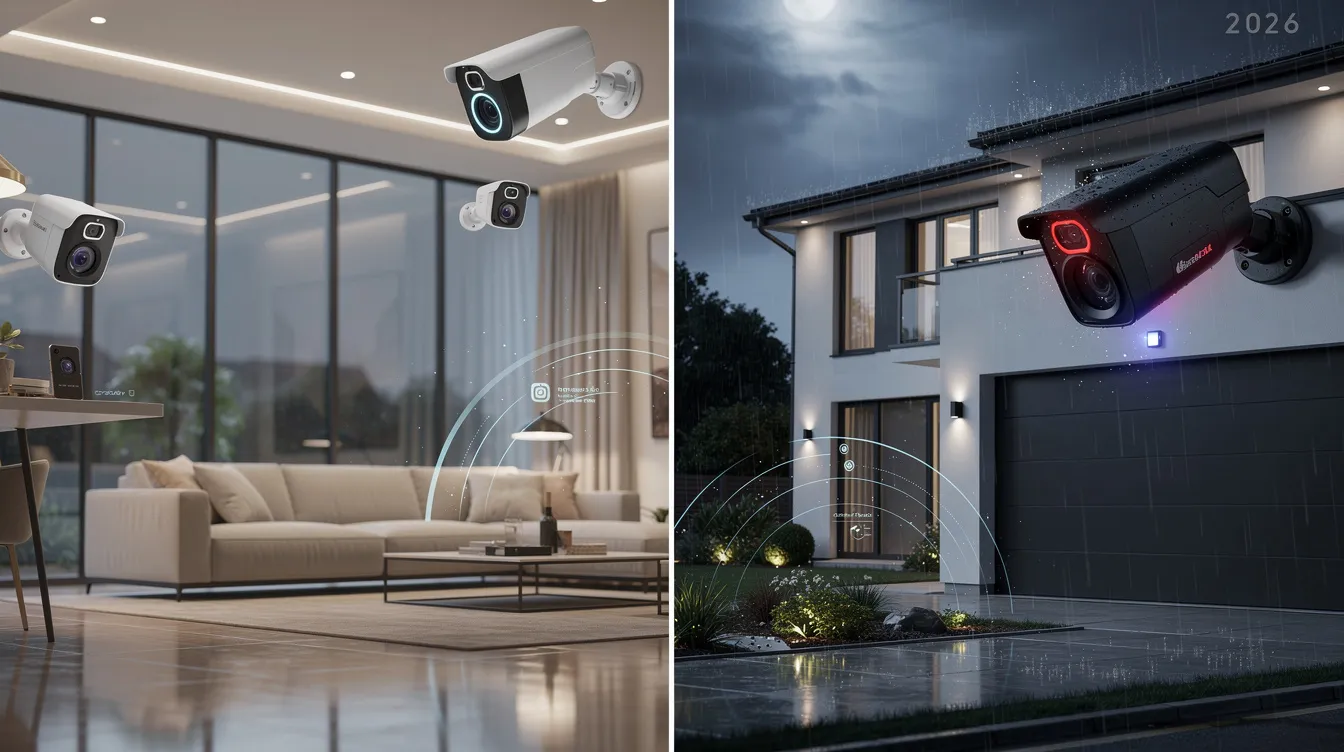
When choosing between indoor cameras and outdoor AI security cameras, it’s essential to consider their differences in functionality and suitability for various environments. Selecting an outdoor camera with features like weather resistance and night vision is important for capturing clear footage outside the home and ensuring reliable performance in all weather conditions. Some outdoor cameras are also equipped with AI to recognize vehicle license plates, providing enhanced security and monitoring for driveways and street-facing areas.
Utilizing several AI security cameras enhances coverage and allows for better detection of security threats, making it crucial to select the right type of camera for each area of your home. Positioning cameras at entry points and high-traffic areas is vital for maximizing security coverage and ensuring comprehensive monitoring.
Selecting the appropriate best security cameras and strategically placing the best cameras can create a robust security network that offers optimal protection for your home’s security. This security cameras guide can help you make informed decisions.
Weather Resistance
Weather-resistant features help outdoor security cameras withstand extreme weather conditions and reduce malfunction risks. Essential features for outdoor cameras include a robust design that protects against rain, snow, and high temperatures, ensuring continuous and effective surveillance regardless of climate conditions.
The review process of outdoor cameras includes testing battery and climate performance to ensure reliability in challenging environments, making them suitable for use in various climates. Choosing weather-resistant outdoor cameras is crucial for ensuring continuous and effective surveillance, providing peace of mind that your home is always protected.
Field of View and Placement
Field of view is a critical factor in selecting security cameras, determining how much area can be monitored effectively. A wider field of view is essential for outdoor cameras to monitor larger areas such as driveways and gardens, ensuring comprehensive coverage.
Strategic placement of security cameras can significantly enhance their effectiveness by covering blind spots and critical entry points. Combining an optimal field of view with calculated placement strategies ensures comprehensive surveillance and protection for your home.
Power Options: Battery vs. Wired
When choosing between battery-powered and wired security cameras, it is essential to consider the pros and cons of each option. Wired security cameras typically provide a stable connection and are less prone to signal interference compared to their wireless counterparts. This stability makes wired cameras a reliable choice for continuous monitoring.
Battery-powered cameras, on the other hand, offer ease of installation as they do not require extensive wiring. This makes them ideal for areas where running cables might be difficult or aesthetically displeasing. However, they do require regular recharging or battery replacement, which can be a maintenance consideration.
Balancing the reliability of wired cameras with the convenience of battery-powered options is key to creating a versatile and effective home security system. Depending on your specific needs and installation preferences, both types can offer significant benefits.
Enhancing Security with Multiple Cameras
Ai home security cameras 2026 – comparing indoor vs. outdoor ai security cameras
Deploying multiple AI security cameras around your home creates a network that can monitor different angles and areas, significantly enhancing overall security coverage. This multi-camera setup ensures that no blind spots are left unmonitored, providing comprehensive protection.
AI security cameras assist in real-time monitoring by:
- Analyzing video footage to detect potential threats. Synchronizing cameras allows for:
- Simultaneous recording and alerts, enhancing the effectiveness of security monitoring. This unified approach ensures:
- A prompt response to incidents across different areas of your property.
AI camera systems can support security teams by providing advanced analytics for threat detection and faster incident response. A multi-camera setup also helps quickly identify and respond to security incidents, improving overall safety and reliability.
Strategically placing and synchronizing one camera and multiple cameras creates a cohesive and robust security system, offering maximum protection for your home.
Optimal Camera Placement
Placing cameras at key entry points and high-traffic areas can maximize visibility and deter intruders. Installing cameras at all ground-floor entry points, including doors and windows, ensures coverage of common access points for intruders.
Positioning cameras at a height of 8 to 10 feet can enhance their field of view while making it harder for intruders to tamper with them. This strategic placement ensures that the cameras can cover a wide area and provide clear footage of any activity.
Optimal camera placement is crucial for ensuring comprehensive monitoring and effective deterrence of potential threats, making it a key consideration in any home security setup.
Synchronizing Multiple Cameras
Synchronizing multiple cameras creates a comprehensive view of the monitored area, providing enhanced security and allowing users to respond promptly to incidents. Strategic placement of cameras can maximize coverage and ensure that synchronized cameras provide a cohesive monitoring experience.
Implementing a structured video management system allows users to effectively store and retrieve footage from multiple synchronized cameras, aiding in alert analysis and incident response. This approach ensures that all areas of your property are monitored simultaneously, offering a higher level of security.
Managing Video Footage
Managing and storing video footage effectively is vital for maintaining a reliable home security system. Employing a mix of local and cloud storage solutions ensures that your video footage is both accessible and secure, providing a reliable backup in case of hardware failures.
Regularly reviewing and deleting unnecessary footage can help maintain storage efficiency and security. This practice ensures that you have enough storage space for new footage while keeping your system organized.
Proper management and storage of video footage enhance the reliability and efficiency of your home security system, ensuring that you can quickly access and review critical recordings when needed.
Privacy and Data Security Concerns
Privacy and data security are significant concerns when it comes to AI security cameras. These devices capture extensive data, which can be susceptible to unauthorized access if not properly protected. Addressing these concerns is essential for building user trust and ensuring the effectiveness of your security system. These considerations become even more critical when AI home security cameras are deployed to protect critical infrastructure, where reliability and compliance with security standards are paramount.
Implementing robust data management practices and maintaining transparency in data use are key strategies to mitigate privacy concerns. It’s also crucial to understand a company’s reputation for securing data, especially in light of recent data breaches and security vulnerabilities.
Ensuring compliance with privacy regulations and employing security technology practices are vital for protecting your data and maintaining the integrity of your improving security system.
Data Encryption and Secure Storage
Data encryption is essential for protecting sensitive information captured by AI home security cameras. Organizations are required to encrypt sensitive data, including CCTV footage, to maintain legal compliance with privacy laws. Effective encryption protocols safeguard video footage from unauthorized access, ensuring that personal privacy is respected.
Secure storage solutions are critical components in securing data against breaches and ensuring compliance with privacy regulations. By implementing these measures, you can ensure that your video footage remains protected and that your home security system operates within legal requirements.
Managing Access Control
Managing access control is crucial to ensure that only authorized users can view and manage your security system, thus maintaining overall security. Addressing privacy and data security concerns is essential for building user trust and preventing unauthorized access to sensitive video footage.
Implementing data encryption and secure storage solutions is a key strategy to safeguard data from unauthorized access while it is stored and transmitted. Ensuring compliance with privacy regulations is critical in managing access control and protecting users’ rights related to their personal data.
Compliance with Privacy Regulations
AI security camera systems must adhere to local and international privacy regulations to ensure both user trust and legal compliance. Implementing data encryption and secure storage helps protect video footage from unauthorized access, supporting privacy compliance.
Managing access control effectively ensures that only authorized users can view and manage the security system, which is crucial for privacy protection. Ensuring compliance with privacy regulations involves a combination of secure technology practices and strategic management of user access.
By following these guidelines, you can ensure that your AI security camera system operates within legal requirements and protects the privacy of all users.
Future Trends in AI Home Security Cameras
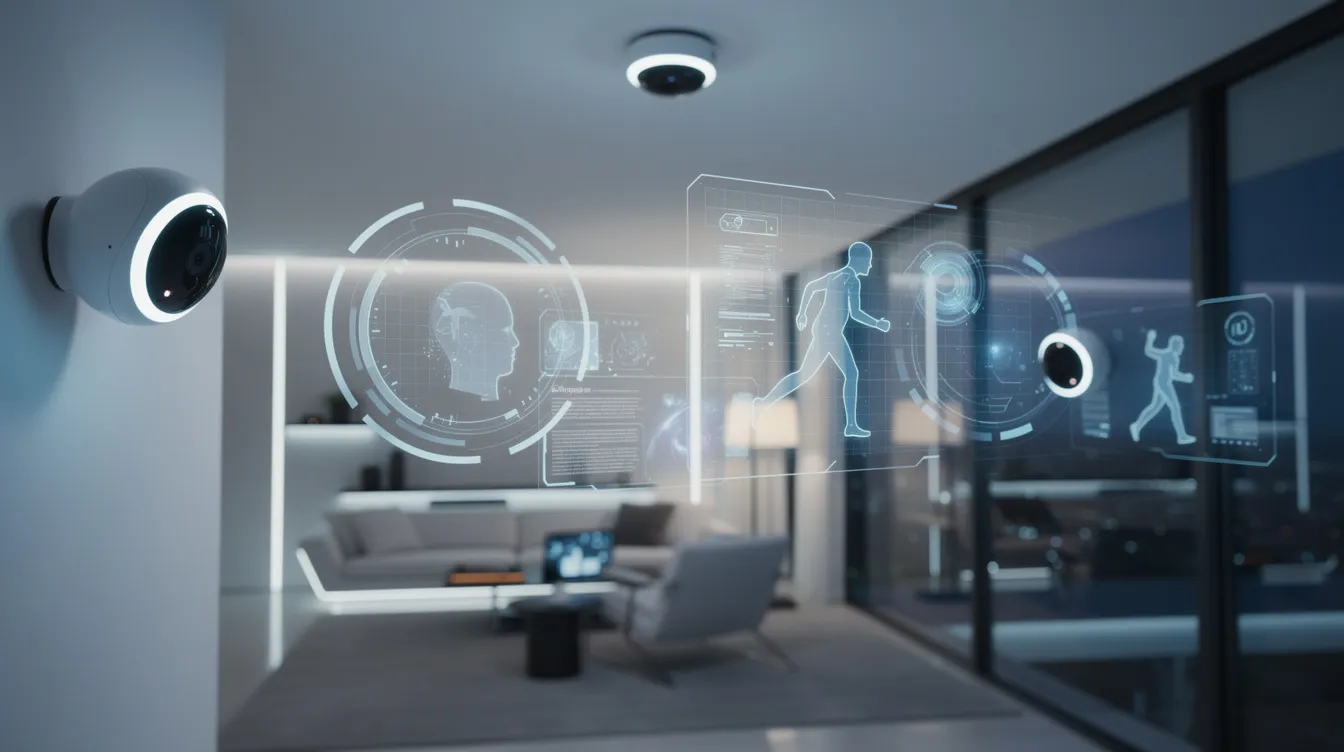
The integration of artificial intelligence into security systems is shifting towards autonomous agents that can analyze complex scenarios and suggest initial responses. As technology advances, the focus is shifting towards creating intelligent security systems that integrate various data sources, enhancing operational efficiency.
Person detection and intelligent alerts signify a significant shift in the home security industry, providing more accurate and timely notifications of potential threats. These advancements ensure that homeowners can take proactive measures to protect their properties.
The future of AI home security cameras holds exciting possibilities, with continuous improvements in technology enhancing their capabilities and effectiveness.
Advances in Facial Recognition Technology
Facial recognition is a highly discussed capability of AI CCTV cameras that enhances security measures. This technology analyzes an individual’s facial features to identify and verify identity, providing a reliable method for monitoring and access control.
As facial recognition technology continues to improve, it will become more accurate and reliable, reducing false positives and enhancing overall security. These advancements will make AI home security cameras even more effective at identifying and responding to potential threats.
The future of facial recognition technology in AI home security cameras looks promising, with ongoing developments ensuring that these systems remain at the forefront of home protection.
Integration with Other Security Technologies
AI cameras are anticipated to work closely with IoT devices for enhanced situational awareness and streamlined security operations. These integrations enable automated responses through communication with IoT devices, creating a more robust security framework with artificial intelligence cameras.
AI security cameras will increasingly connect with other technologies, such as IoT devices and drones, to provide comprehensive security solutions, including ai camera systems. This collaboration ensures that all aspects of security are covered, from ground-level monitoring to aerial surveillance.
The overall impact of these integrations on home security will be significant, offering advanced protection and peace of mind for homeowners.
Self-Learning Capabilities
Self-learning capabilities in AI security cameras enhance adaptability to different environments and evolving threats. These artificial intelligence capabilities allow cameras to analyze patterns and behaviors over time, leading to more efficient monitoring and proactive alerts.
With improved scene understanding, AI cameras can differentiate between various activities and identify potential threats more accurately. As decision-making processes become more advanced, AI cameras can respond appropriately to unusual situations without human intervention.
The growing importance of self-learning capabilities in AI home security cameras will continue to drive advancements in technology, ensuring that these systems remain highly effective in protecting homes from emerging threats.
Summary
The advancements in AI-powered home security cameras have revolutionized how we protect our homes. From enhanced video quality and smart motion detection to seamless integration with smart home systems, these devices offer unparalleled protection and convenience. The top models of 2026, such as the Arlo Pro 6, Nest Cam IQ, and EufyCam 4, exemplify the best in AI security technology, providing advanced features and user-friendly designs.
Key features to look for in AI security cameras include human and vehicle detection, built-in spotlight and siren, and various recording options. Understanding the differences between indoor and outdoor cameras, as well as the benefits of deploying multiple cameras, can help create a comprehensive and effective security system. Addressing privacy and data security concerns, along with staying informed about future trends, will ensure that your home remains protected with the latest technology.
Frequently Asked Questions
What are the key advancements in AI home security cameras for 2026?
The key advancements in AI home security cameras for 2026 are enhanced 4K video quality, smart motion detection that can differentiate between humans, vehicles, and animals, and seamless integration with smart home systems such as Google Home, Alexa, and Apple HomeKit. These features will significantly improve home security and user convenience.
How do AI security cameras reduce false alarms?
AI security cameras effectively reduce false alarms by utilizing advanced algorithms to distinguish between different objects and activities, ensuring alerts are triggered only by relevant events. This targeted approach minimizes unnecessary notifications and enhances the overall security experience.
What are the benefits of integrating AI security cameras with smart home systems?
Integrating AI security cameras with smart home systems enhances security by enabling seamless control alongside other devices, fostering a cohesive and automated environment for better peace of mind. This integration allows for improved monitoring and response capabilities, ensuring your home is protected effectively.
How important is weather resistance for outdoor security cameras?
Weather resistance is essential for outdoor security cameras, as it ensures their functionality and reliability in extreme weather conditions. Choosing a camera with adequate weatherproofing guarantees consistent surveillance year-round.
What should I consider when choosing between battery-powered and wired security cameras?
When choosing between battery-powered and wired security cameras, prioritize wired cameras for their reliable connection and battery-powered options for their installation convenience, keeping in mind the need for regular battery maintenance.