
Worried about the security of your ground floor windows? This article will show you the best window security locks for ground floor to keep your home safe.
Key Takeaways
- Ground floor windows are especially vulnerable to break-ins, making effective security locks essential for home safety.
- Choosing the right type of window security locks, such as deadbolts and keyed sash locks, is critical for enhancing window security and deterring intruders.
- Regular maintenance and timely replacement of window locks help ensure ongoing security and effectiveness against potential unauthorized access.
Why Ground Floor Windows Need Security Locks
Window security locks for ground floor – key takeaways
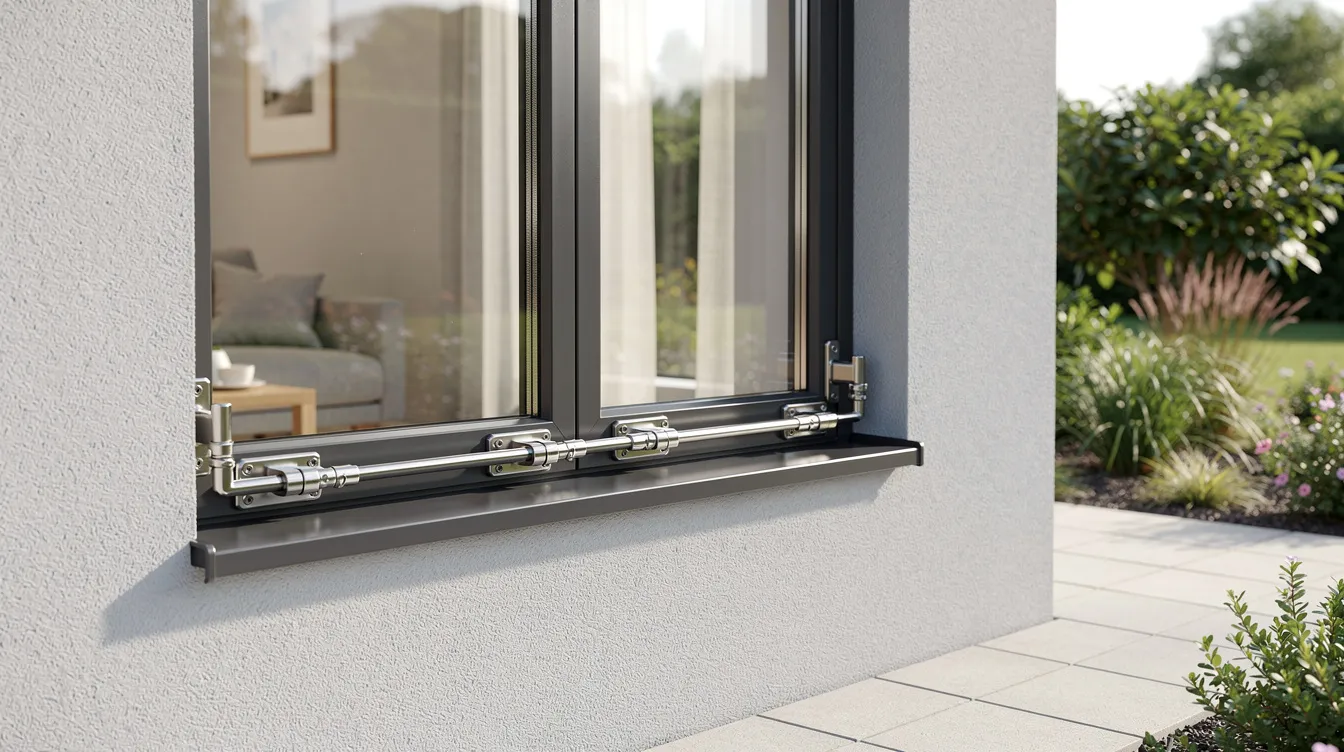
Ground floor windows are particularly vulnerable to break-ins, making them prime targets for intruders. These windows are easily accessible and often less visible from the street, giving burglars the cover they need to break in quickly and quietly. Without robust locking mechanisms, these windows can significantly lower your home’s overall security.
The risks associated with unsecured ground floor windows are numerous. Burglars often target these entry points because they are typically easier to breach compared to other access points like doors or upper-story windows. This makes installing effective security locks not just a precaution but a necessity to protect your home and loved ones. Securing your ground floor windows deters potential intruders and reduces the risk of break-ins.
High-quality window security locks on ground floor windows provide homeowners with peace of mind. Knowing your windows are well-protected allows you to rest easy, confident your home is secure against unauthorized access.
Types of Window Security Locks
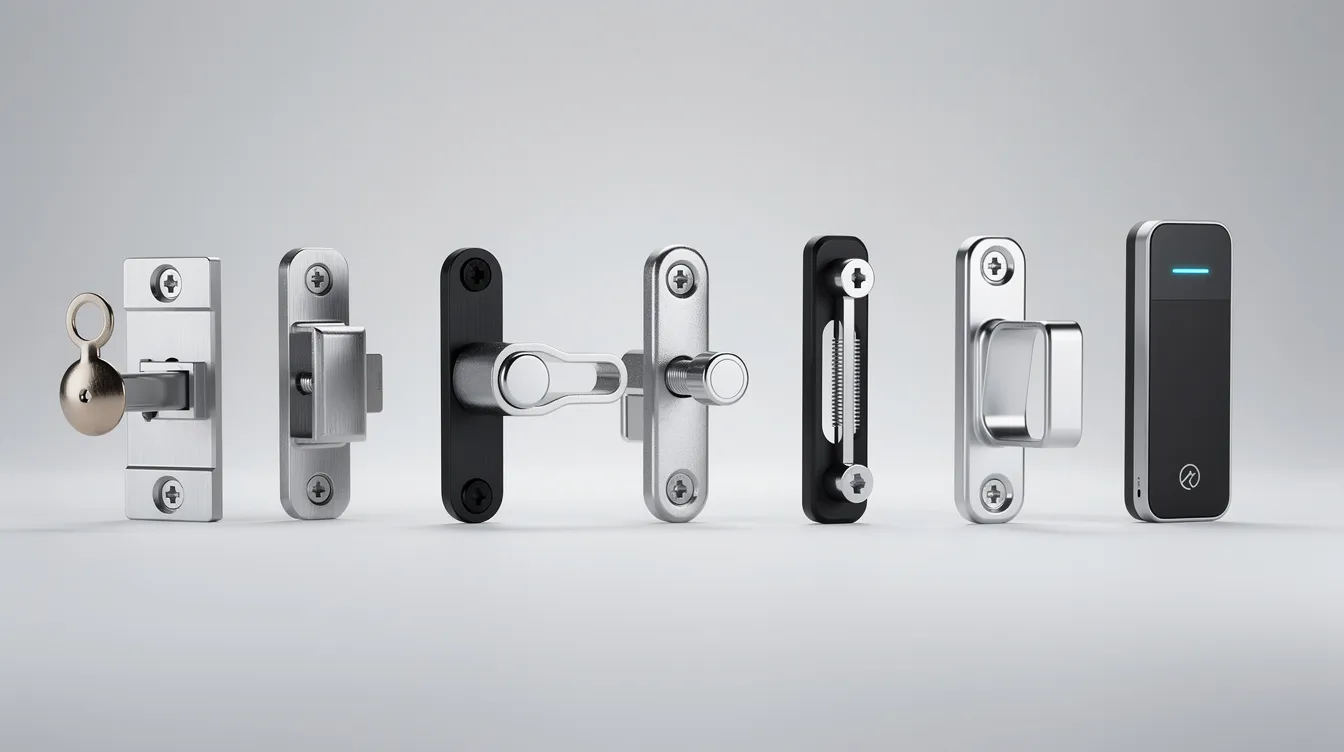
Various types of window security locks are available, each designed to enhance safety and provide peace of mind. Some of the most common options include:
- Folding locks
- Window pin locks
- Keyed locks
- Sliding window locks
- Reinforced locks
- Window bars.
Many locks, such as cable window restrictors, are compatible with various window materials including wood, making them suitable for a wide range of installations.
Folding locks are embedded in casement window frames and secure the sashes when turned down, offering a discreet and effective way to lock your windows. Window pin locks operate similarly to door chain locks, allowing the window to open slightly while preventing it from opening fully unless the pin is removed using a key or other mechanism. These locks are ideal for homeowners who want to let in some fresh air without compromising security.
Sliding window locks are another popular option, designed to restrict the opening of sliding windows by using movable pins or bolts that secure the window in place. Reinforced locks are essential for ground floor windows, as basic latches can be easily bypassed by intruders. Additionally, window bars provide a physical barrier that makes it extremely difficult for intruders to access your windows.
Finally, laminated glass can enhance window security by holding together when struck, making it harder for intruders to break through.
Key Features to Look for in Window Security Locks
Window security locks for ground floor – types of window security locks
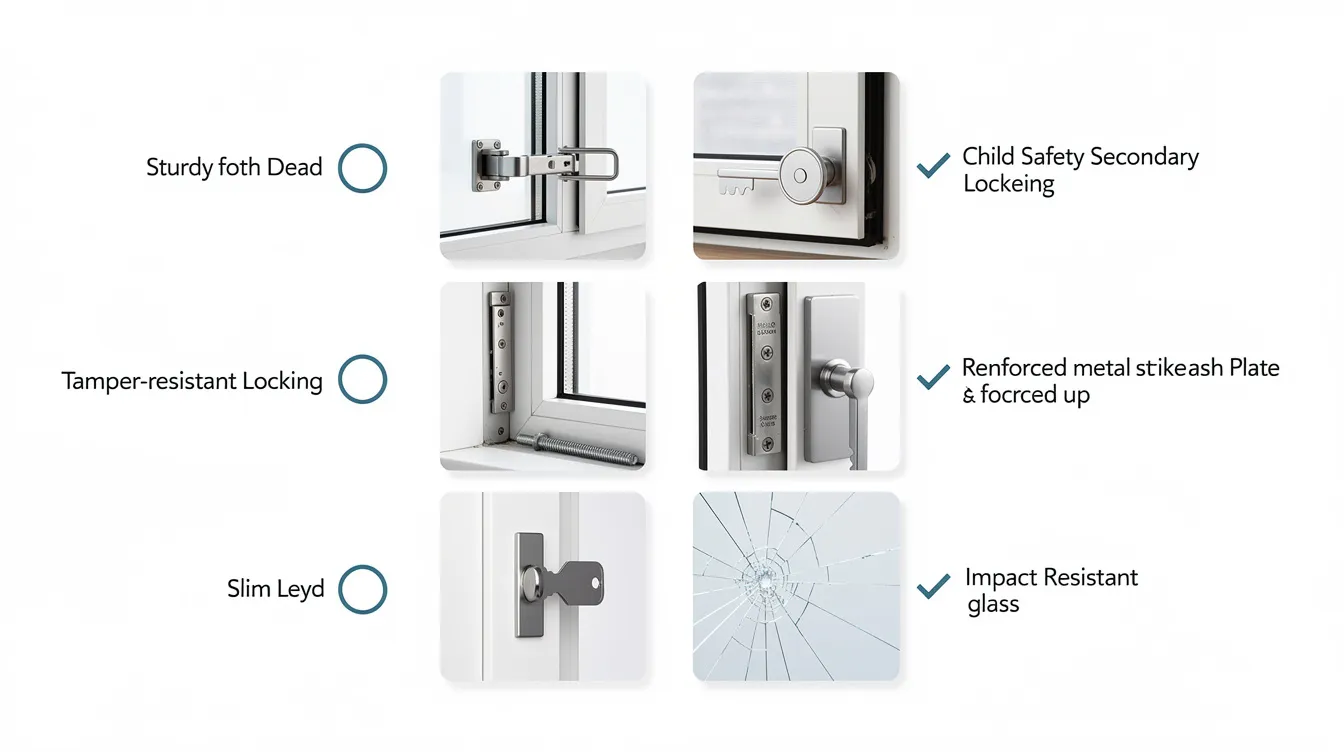
Consider key features when selecting window security locks to enhance your home’s security. One of the most critical factors is the lock’s grade, as determined by ANSI standards. Locks are rated from Grade 1 to Grade 3, with Grade 1 offering the highest level of security and durability, while Grade 3 provides basic protection.
Another important aspect is the lock’s design. Sliding window locks that secure into tracks prevent the window from opening beyond a certain point, enhancing security. Prioritizing both the security level and the effectiveness of the design ensures that your window locks provide adequate protection against potential break-ins.
Best Window Security Lock Materials
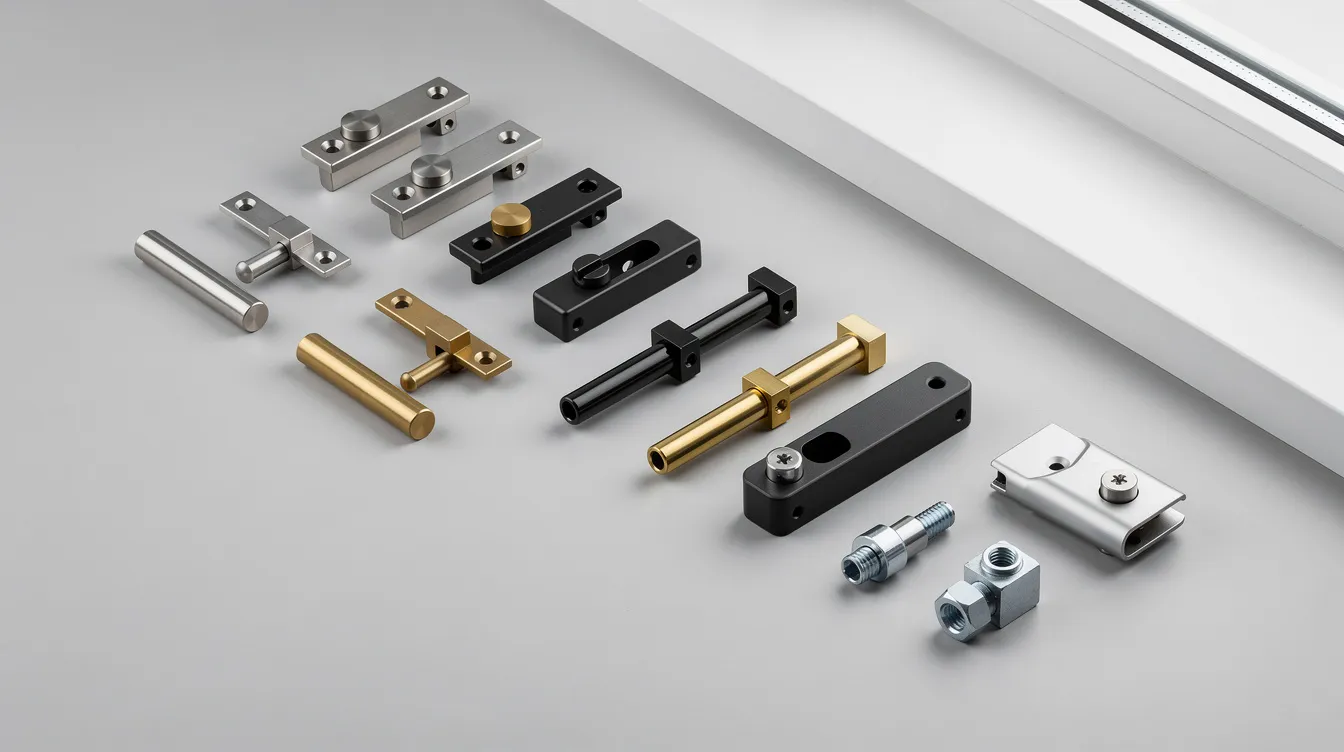
The right material for window security locks maximizes safety and durability. Steel and brass are among the strongest materials, offering:
- High resistance to tampering and physical attacks
- Ideal properties for security purposes
- The ability to withstand significant force, providing robust protection.
Zinc alloy locks are available for those looking for more cost-effective options. While they may be less expensive, they generally lack the durability and strength of steel or brass options. It’s essential to weigh the trade-offs between cost and security to find the best balance for your needs.
Another important consideration is corrosion resistance. Locks with nickel plating are protected against corrosion, making them suitable for outdoor use in varying weather conditions. Weather-resistant features, such as rubber gaskets, can also help prevent moisture intrusion, reducing the risk of rust and lock mechanism degradation.
Top 10 Window Security Locks for Ground Floors
Window security locks for ground floor – best window security lock materials
Secure locking mechanisms are essential for vulnerable ground floor windows. Keyed locks offer higher security than simple latches, requiring a key for operation and significantly reducing the risk of unauthorized access.
Keyed sash locks, in particular, feature robust construction and are specifically designed to secure sliding windows effectively. Installing keyed locks not only enhances security but also provides peace of mind for homeowners on ground floors.
Deadbolts
Deadbolts are essential for enhancing security on windows due to their strong locking mechanism. They offer:
- Enhanced strength compared to standard locks, making them more difficult to force open
- A solid bolt mechanism that is much harder to break compared to standard locks
- A higher level of security overall
The durability of deadbolts makes them an excellent choice for securing ground floor windows. Solid construction and resistance to forced entry make them a reliable option for enhancing home security.
Sliding Window Locks
Sliding window locks protect ground floor windows, common targets for intruders. Without proper locking mechanisms, these windows can easily be forced open, compromising overall home security. There are various types of sliding window locks, including pin locks, track locks, and keyed locks, each offering different levels of security.
A popular option is the sliding bolt lock, which secures the window by inserting a bolt into a hole in the frame. Consider features like durability, ease of use, and resistance to tampering when choosing sliding window locks.
Installing these locks typically involves measuring the window and aligning the lock mechanism with the frame, following the manufacturer’s guidelines to ensure proper function.
Keyed Sash Locks
Keyed sash locks are locking mechanisms that require a key to open, enhancing security for windows. They are commonly used on vertical or horizontal sliding windows to prevent unauthorized access. Keyed sash locks provide an added layer of security, making it difficult for intruders to access through windows.
Installation of keyed sash locks typically involves aligning the lock with the window frame and securing it with screws. Regular maintenance, including lubrication of the locking mechanism, ensures optimal performance.
These locks provide homeowners peace of mind, knowing their windows are securely locked with a key.
How to Install Window Security Locks
To successfully install window security locks, one should recommend a structured approach that includes preparation, installation, and testing of the locks.
Check the compatibility of the lock with your specific window type, as some locks may not fit all window styles.
Tools Needed
The right tools ensure effective installation of window security locks, fitting them securely and functioning properly. Tools for installing window security locks include:
- A screwdriver
- Measuring tape
- Pencil
- Power drill
- Screws.
The tools and their functions are:
- A screwdriver fastens the lock in place.
- A power drill allows for quick and precise drilling of pilot holes for screws.
- Measuring tape and pencil mark precise locations for screw holes, ensuring a proper fit.
Preparing the Window
Preparing your window for lock installation ensures a secure fit and proper function. Before installation, clean the window surfaces thoroughly to remove any dirt or debris that could interfere with the lock’s fit.
When placing the lock, ensure it aligns correctly with the window frame and mark the screw holes accurately before drilling. Proper alignment is crucial to ensure the lock operates smoothly and securely.
Installing the Lock
Start by cleaning the window frame and removing any obstructions to create a clear installation area. Position the lock according to the manufacturer’s instructions, ensuring it aligns well with the window’s mechanisms.
Use the provided screws and tools to secure the lock firmly, checking that all screws are tightened properly. Test the lock by attempting to engage and disengage it, ensuring it works smoothly and reliably.
Maintaining Your Window Security Locks
Regular maintenance of window security locks ensures long-term safety and functionality. Proper maintenance enhances the effectiveness and lifespan of your window security locks, ensuring they continue to protect your home.
Neglecting to check window locks regularly can leave your home vulnerable to break-ins. Overlooking maintenance can lead to ineffective security locks, compromising your home’s safety. Routine inspections and maintenance of window security features are vital to ensure they function effectively over time.
Regular Checks
Regular inspections of your window security locks are crucial to maintaining their effectiveness and ensuring safety. Regular checks allow homeowners to spot signs of wear and tear early, preventing potential security breaches. Look for signs of wear such as difficulty locking or unlocking, rust on metal parts, or visible damage to the locks.
If you notice significant wear and tear, replace the locks promptly to maintain effective security. Timely maintenance and replacement of worn components ensure your window security locks continue to provide optimal protection against intruders.
Lubrication
To ensure smooth operation and prevent stiffness or rust, regularly apply lubricant to the moving parts of locks and window locks:
- Lubricate the moving parts of locks to prevent stiffness and ensure smooth functioning.
- Lubricate the moving parts of window locks to promote smoother operation and prevent sticking.
- Use a silicone-based lubricant annually to ensure smooth operation and prevent rust on moving parts.
Apply lubricant annually to maintain the lock’s efficiency and longevity. This simple maintenance step extends the lifespan of your window security locks, ensuring they operate effectively over time.
Replacement
Replacing window security locks maintains safety and prevents unauthorized access. Clear indicators that window security locks should be replaced include:
- Visible damage
- Difficulty in locking
- Excessive wear
- Rust
Difficulty locking or unlocking can compromise safety, making it essential to address these signs promptly.
Timely replacement of worn or damaged locks ensures ongoing protection of your home. By paying attention to these indicators and acting quickly, you ensure your home remains secure and protected against potential intrusions.
Enhancing Overall Home Security
Ground floor windows are prime entry points for burglars due to their accessibility and visibility. Enhancing overall home security involves more than just securing your windows. Eliminating potential hiding spots on your property can make it more difficult for burglars to approach unnoticed. Design landscaping with safety in mind, eliminating potential hiding spots for intruders.
Ways to enhance home security include:
- Using automatic timers for lights to create the illusion of occupancy, making your home less appealing to intruders.
- Engaging with neighbors to foster a community watch environment, enhancing overall neighborhood security.
- Installing proper outdoor lighting, especially motion-sensor lights, to reduce the chances of break-ins by eliminating the cover of darkness around windows.
Securing outdoor valuables like bicycles and grills is essential, as these items can also be targets for theft. Incorporating smart home technology bolsters security and may lead to reduced insurance premiums. By taking these measures, you can significantly enhance the security and safety of your home.
Common Mistakes to Avoid When Securing Windows
Old or damaged windows are particularly vulnerable, making them easier for intruders to breach. Relying solely on standard window latches is a common mistake. While these latches connect the sashes of single and double-hung windows, they are not considered robust security solutions. Inadequate locking mechanisms may provide a false sense of security for homeowners.
Improperly secured sliding windows can be easy targets for intruders. Frequent inspections help detect issues early, preventing potential security risks. Inspections twice a year can help identify signs of wear, gaps, or damage in the locking mechanisms.
Regular maintenance and proper locking mechanisms ensure your windows provide the security they should.
Expert Recommendations for Window Security
Locks with advanced security features, such as anti-bump technology, make locks harder to bypass using common burglary techniques. Keyed sash locks require a key to unlock, making unauthorized opening much harder.
Keyed sash locks require a key for both locking and unlocking, providing an additional barrier against unauthorized access. These locks are viewed as a highly secure option, as they require a key for operation, making unauthorized access difficult.
Advanced security features like keyed sash locks significantly bolster home safety by reducing the risk of unauthorized entry. By following these expert recommendations, you can ensure that your windows are well-protected and your home is secure.
Summary
Securing ground floor windows is a crucial step in protecting your home from potential intruders. By understanding the vulnerabilities of these windows and selecting the right types of locks, you can significantly enhance your home’s security. Keyed sash locks, deadbolts, and sliding window locks are among the top choices for ensuring robust protection.
Regular maintenance, including inspections, lubrication, and timely replacements, will keep your window security locks functioning effectively. Additionally, enhancing overall home security through landscaping, lighting, and smart home technology can further bolster your defenses. With these measures in place, you can achieve the peace of mind that comes from knowing your home is secure.
Frequently Asked Questions
Why are ground floor windows particularly vulnerable to break-ins?
Ground floor windows are particularly vulnerable to break-ins due to their easy accessibility and reduced visibility from the street, making them ideal entry points for intruders. Ensuring proper security measures for these windows is essential to deter potential break-ins.
What are some types of window security locks available?
To enhance your window security, consider options such as folding locks, window pin locks, keyed locks, sliding window locks, reinforced locks, and window bars, as each type provides varying levels of protection and advantages. Choose the lock that best fits your security needs.
What materials are best for window security locks?
Steel and brass are the best materials for window security locks due to their strength and resistance to tampering. While zinc alloy locks can be more affordable, they may not provide the same level of durability as steel or brass.
How often should I maintain my window security locks?
To ensure your window security locks function effectively, conduct inspections twice a year and apply a silicone-based lubricant annually. Replace them if you observe significant wear or damage.
What additional measures can I take to enhance overall home security?
To enhance your home security, eliminate hiding spots around your property, use automatic timers for outdoor lights, and secure valuable items. Incorporating smart home technology can also significantly reduce the risk of break-ins.