Choosing between a TL-15 and TL-30 safe comes down to understanding how much protection you need. When considering the TL-15 vs TL-30 safe, it’s important to note that TL-15 safes resist attacks for 15 minutes, while TL-30 safes endure for 30 minutes with more advanced tools. This article will break down these differences to help you decide the best safe for your valuables.
Key Takeaways
- TL 15 and TL 30 safes differ in their resistance capabilities, with TL 15 offering protection against attacks for 15 minutes and TL 30 for 30 minutes, making TL 30 suitable for higher risk environments.
- Both TL-rated safes require stringent construction standards, including high-strength steel, robust locking mechanisms, and fire resistance ratings, ensuring comprehensive protection against theft and fire.
- Selecting the appropriate safe involves evaluating the value of items and security needs; TL 15 safes are ideal for moderate to high-value items, while TL 30 safes cater to extremely valuable possessions or businesses facing sophisticated threats.
TL 15 vs TL 30: Understanding the Basics

Tl-15 vs tl-30 safe – key takeaways
A TL-15 rating signifies that a safe can resist a focused attack using a specified set of tools for a net working time of 15 minutes. This means that during testing, the clock stops only runs while the tools are actively being applied to the safe, not during any breaks or pauses. Such safes are specifically designed to withstand attack high-value items and are often a requirement by insurance companies for ensuring coverage. These safes are tested against common hand tools, electric tools, and portable electric tools to ensure their resistance.
On the other hand, TL-30 safes are designed to withstand more aggressive burglary techniques for a net working time of 30 minutes. This extended duration allows for a broader and more intensive array of tools to be used, including power saws and abrasive cutting wheels. The TL-30 rating indicates that these safes can endure attacks from common tools on all sides, providing a higher level of security.
UL TL ratings play a crucial role. They are part of a standardized system for evaluating safe security, providing a standardized measure of a safe’s ability to withstand tool-based attacks, ensuring that when you opt for a UL TL-rated safe, you’re investing in proven security standards. tl stands for tool.
Whether for home use or in high-risk businesses, understanding these ratings helps in choosing the right safe manufacturers to match your american security needs.
Construction Requirements
TL-rated safes have stringent construction requirements to guarantee maximum security. Both TL 15 and TL 30 safes must have body walls constructed of at least 1 inch of open hearth steel with a minimum tensile strength of 50,000 PSI, or a material equivalent that meets the same strength and durability standards. The body walls’ thickness provides significant resistance against forced entry. High-strength steel and hard plates act as a formidable barrier against cutting and drilling attacks.
The components of the safe are fastened using continuous penetration welds or in a manner equivalent, ensuring the structure’s durability and resistance to attack.
Another critical aspect is door protection. A TL-15 safe door must be at least 1 inch thick steel. TL-30 safes typically have heavier construction and additional protective features to endure prolonged attacks. Such enhancements make TL-30 safes ideal for high-security environments.
Safes may also be designed to accommodate electrical conductors arranged so there is no direct view of the lock or door mechanism, maintaining security. Electrical conductors must be properly secured to prevent compromising the safe’s integrity.
Locking mechanisms are a vital component as well. For TL 15 and TL 30 safes:
- Must have a UL-listed Group II combination lock or a Type 1 electronic lock.
- These locks resist picking and manipulation, adding extra security.
- Compliance with Underwriters Laboratories’ stringent specifications ensures TL-rated safes meet top industry security standards, including the combination locked safe and door or locking mechanism.
Testing Procedures
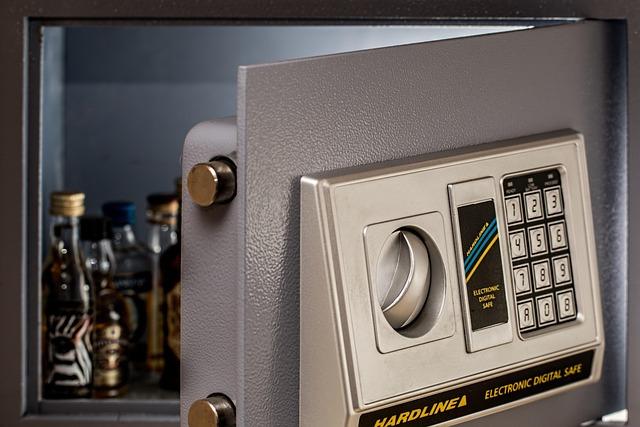
Tl-15 vs tl-30 safe – construction requirements
Underwriters Laboratories (UL) rigorously tests TL-rated safes against burglary techniques. Testers have up to 30 minutes to access the TL 30 safe’s door using a wide array of tools. This includes high-powered cutting tools, such as abrasive cutting wheels and power saws, as well as cutting torches, grinding points, pressure applying devices, and electrical hand tools.
Testing TL 15 safes focuses on breaching the safe’s body within 15 minutes. The testing procedures track the time only when tools are actively applied to the safe, ensuring an accurate assessment of the safe’s resistance. This approach ensures realistic conditions, simulating actual burglary attempts.
The tools used in these tests include drills, grinders, picking tools, grinding points, cutting torches, pressure applying devices, and electrical hand tools, all of which are common mechanical and power tools used in real-world attacks. UL engineers and UL technicians conduct these rigorous tests to ensure compliance with security standards. Adhering to UL’s stringent standards ensures these tests reliably measure a safe’s ability to withstand prolonged and aggressive attacks, guaranteeing only the most secure safes earn a TL rating, including assessments of tool resistance and carbide drills.
Performance Under Attack
TL 15 and TL 30 safes are tested against over fifty types of attacks, ensuring they can withstand a wide range of burglary resistance techniques. Common mechanical tools like pry bars and drills test these safes’ entry resistance. During testing, experts analyze the safe’s design to identify and address any weak points that could be exploited. Such rigorous testing ensures TL-rated safes offer robust protection against various tool resistant attacks.
Underwriters Laboratories Inc. (UL) defines burglary ratings for TL-rated safes to ensure they withstand prolonged attacks. TL-rated safes must meet strict performance requirements, including resistance to entry for a specified duration. The capabilities of TL 15 and TL 30 safes make them ideal for high-risk environments prioritizing security. These safes offer ultimate peace of mind, knowing your valuables are protected by highly secure safes with an UL rating.
Ideal environments for these safes vary based on their attack resistance. TL 15 safes suit moderate-to-high value items, whereas TL 30 safes are better for extremely valuable possessions or businesses facing sophisticated threats. Choosing the right TL-rated safe, whether for residential or commercial use, ensures your valuables get the protection they deserve.
Fire Resistance Ratings

Tl-15 vs tl-30 safe – performance under attack
Fire resistance ensures TL-rated safes protect your valuables from theft and fire damage. Fire rating shows how long a safe can endure high temperatures during a fire, usually in minutes or hours. This rating ensures the safe’s contents remain intact during a fire.
Fire testing standards, like those from UL, include:
- Exposing safes to temperatures from 1,700°F to 1,850°F.
- Ensuring safes maintain internal temperatures below 350°F to protect paper contents.
- For digital media, safes should maintain internal temperatures below 125°F to prevent damage.
Some fire safes have additional certifications for explosion tests to prevent bursting under pressure. These features enhance fire safety, ensuring the safe withstands fire’s rigors, providing comprehensive protection.
Ideal Use Cases
TL-15 safes suit businesses and individuals dealing with high-value items, including:
- Jewelry stores and pharmacies handling valuables up to $150,000
- Offering robust protection for moderate-to-high value items
- Homeowners with valuable collections or important documents who also benefit from TL-15 safes
- Gun safes requiring specialized security ratings for storing firearms, meeting insurance and regulatory standards
Conversely, TL-30 safes are recommended for businesses facing sophisticated threats, offering higher security levels. When equipped with an alarm, these safes can secure items valued up to $375,000, ideal for extremely valuable possessions or high-risk environments.
For commercial or residential use, TL-30 safes offer unparalleled protection for your most valuable assets. Businesses and homeowners with high-value items benefit from a TL-15 safe, while those facing sophisticated threats should consider a TL-30 safe or a residential security container. Understanding the ideal use cases helps you make an informed decision matching your security needs.
Cost Considerations
The cost of TL-rated safes reflects their advanced design and materials. TL-30 safes, with enhanced security features, are generally more expensive than TL-15 safes. This higher cost is justified by their increased protection against break-ins and sophisticated burglary techniques.
Insurance companies often require TL-rated safes for high-value item policies, making them a necessary investment for asset protection. Compliance with TL ratings can reduce insurance requirements, as companies favor customers securing higher-rated safes. This can lead to significant savings over time, offsetting the initial safe investment. In addition to TL ratings, the industry also uses B-Rate and C-Rate classifications for burglar safes. B-Rate and C-Rate safes are based on construction standards and are often referenced by insurers, but unlike TL-rated safes, they do not undergo the same standardized testing.
Installation and maintenance costs are also important factors. TL safes must weigh at least 750 pounds, often requiring professional installation for security. While upfront costs are higher, the long-term benefits of enhanced security and potential insurance savings make TL-rated safes a worthwhile investment.
Installation and Weight
The weight of TL-rated safes significantly impacts their transportation and installation. TL-30 safes, in particular, often require professional installation due to weight and complexity. Moving heavy safes without proper tools risks danger to individuals and property.
Anchoring methods are crucial for securing TL safes. Safes under 750 pounds must be anchored securely to prevent movement. For added stability and security, concrete blocks can be used to reinforce the installation. A larger safe may require specific anchoring instructions or additional reinforcement, such as anchoring to concrete blocks, to ensure maximum security and stability during attacks or installation.
Professional installation is highly recommended to ensure TL safes are anchored correctly and securely. This ensures the safe’s security and protects against installation damage. Proper installation maximizes the protective features of TL-rated safes.
Common Misconceptions
A common misconception is that TL ratings indicate the total time to break into a safe. In reality, net working time for TL ratings is the time tools are actively used on the safe, not the total start-to-finish time. This misunderstanding can lead to unrealistic expectations of a safe’s performance, particularly regarding tool latency.
Another misconception is that openings or wiring in a safe could provide a direct view of the lock or internal components. Properly designed safes do not allow a direct view through any openings, maintaining the security and concealment of sensitive parts.
The main reason for purchasing safes is to allow extra time during a break-in. It’s important to understand that while TL-rated safes provide significant protection, no safe is completely burglary-proof. Believing any safe is entirely burglar-proof is a misconception that can lead to complacency.
Clarifying these misconceptions is crucial for making informed safe purchase decisions. Understanding the true purpose and limitations of TL-rated safes ensures you can select one that meets your security needs without falling for common myths that may reveal potential flaws.
Choosing the Right Safe for You
When choosing between TL 15 and TL 30 safes, consider the value and type of items you need to protect. Higher-rated safes offer increased security for more valuable assets, making them better for high-value items or environments facing sophisticated threats.
The level of protection for your peace of mind should influence your choice. While TL-30 safes offer higher security, they also cost more. Balancing security needs with your budget is key to choosing the right safe.
Whether you need a safe for personal use or business purposes, understanding the differences between TL 15 and TL 30 safes ensures you make an informed decision. By considering the value of your items and the level of protection required, you can select a safe that provides the security you need.
Summary
Choosing the right safe is crucial for protecting your most valuable possessions. TL 15 and TL 30 safes offer varied levels of protection, with each providing significant security against tool-based attacks. Understanding the construction, testing, and performance of these safes helps in making an informed decision.
By considering the value of your items, understanding the cost implications, and knowing the ideal use cases, you can select a safe that meets your security needs. Investing in a TL-rated safe ensures that your valuables are protected by some of the most secure safes available, providing peace of mind.
Frequently Asked Questions
What does TL stand for in TL 15 and TL 30 safes?
TL stands for Tool Latency, which indicates the safe’s resistance to tool attacks over a specified net working time. This classification helps assess the security level of the safe against potential break-ins.
How is the net working time calculated during testing?
Net working time is calculated by measuring the actual duration tools are in use during testing, excluding any breaks or pauses in activity. This approach ensures an accurate assessment of productivity levels during the testing process.
Are TL-rated safes completely burglar-proof?
TL-rated safes offer significant protection but are not completely burglar-proof; they are designed to delay break-ins and allow for intervention. Therefore, while they enhance security, absolute immunity from burglary is not guaranteed.
What types of items are best protected by TL 15 and TL 30 safes?
TL 15 safes provide optimal protection for high-value items up to $150,000, while TL 30 safes are designed to secure items valued up to $375,000. These safes are particularly well-suited for jewelry stores, pharmacies, and homeowners with valuable collections.
Do TL-rated safes also provide fire protection?
Indeed, TL-rated safes often come with fire resistance ratings, which denote their capability to endure high temperatures during a fire for a specific duration. Therefore, you can expect dual protection from both theft and fire hazards in such safes.