Not sure where to place smoke alarms in your home? Our smoke alarm placement guide breaks down the key areas you need, including bedrooms, kitchens, and all floors. This guide will help you ensure maximum safety for your family.
Key Takeaways
- Smoke alarms are essential in every bedroom and on each level of the home, including basements, to ensure comprehensive coverage and safety.
- Understanding different types of smoke alarms and their ideal placements is important for effective fire detection and minimizing false alarms.
- Regular maintenance, including monthly testing and battery replacement, is crucial for ensuring smoke alarms function properly and provide reliable safety protection.
Essential Locations for Smoke Alarms
Smoke alarm placement guide – key takeaways
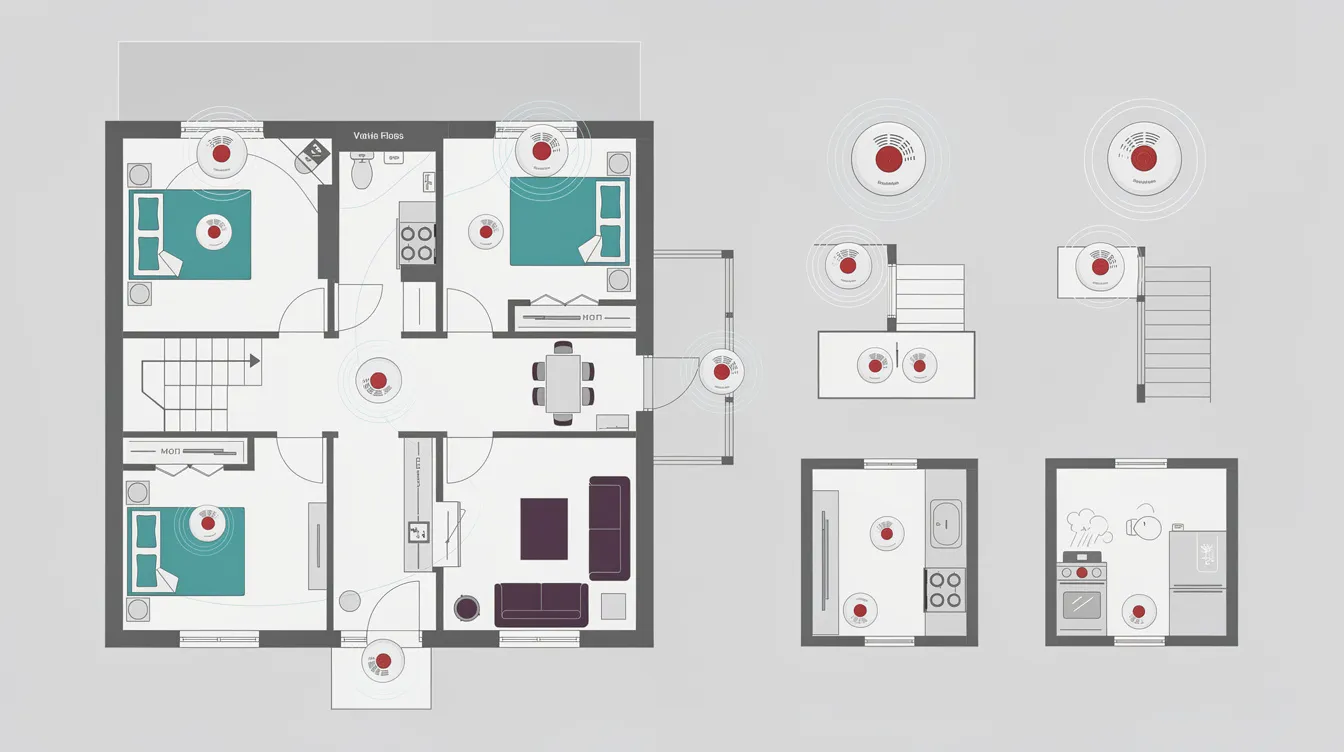
Installing smoke alarms in key areas of your home is crucial for maximizing safety and complying with fire protection standards. But how many smoke alarms are needed, and where should they go?
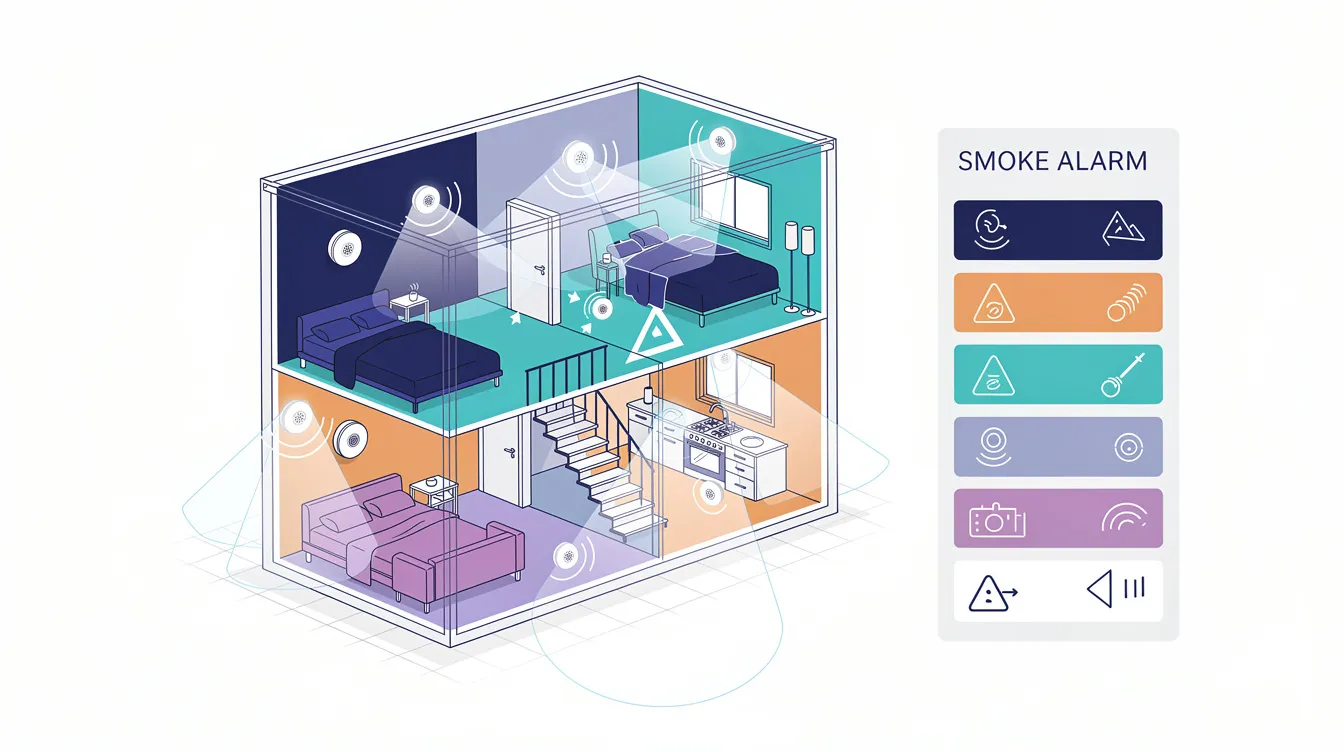
Smoke alarms should be mounted on every level of your home, including basements, to ensure comprehensive coverage. They are also necessary to be installed inside each bedroom and outside every sleeping area to alert occupants during sleep.
Bedrooms and Sleeping Areas
Imagine drifting off to sleep, only to be awakened by the insistent sound of a smoke alarm sounds. Smoke alarms inside each bedroom and just outside sleeping areas are critical for alerting occupants effectively during the night, allowing for a safe escape.
This is especially important in a two-story home or a house with a basement, as smoke alarms in these locations ensure that everyone, regardless of where they are sleeping, is alerted to danger.
Every Level of the Home
Homeowners often wonder about the required number of smoke alarms for effective home coverage. Smoke alarms should be installed on every level of your home, including the basement. This ensures that no matter where a fire starts—whether in the basement, the main floor, or an upstairs bedroom—you and your family will be promptly alerted.
Comprehensive coverage means having alarms in every bedroom and on each floor of a two-story home.
Near Cooking Appliances
Installing smoke alarms near cooking appliances is crucial for early fire detection, but proper placement is key to avoiding false alarms. The National Fire Protection Association (NFPA) recommends positioning smoke alarms at least 10 feet away from cooking appliances. This distance helps to reduce nuisance alarms triggered by normal cooking activities while maintaining safety in emergencies.
Proper placement around cooking areas is vital to maintain both safety and convenience co, especially when using a cooking appliance.
Types of Smoke Alarms and Their Ideal Placement
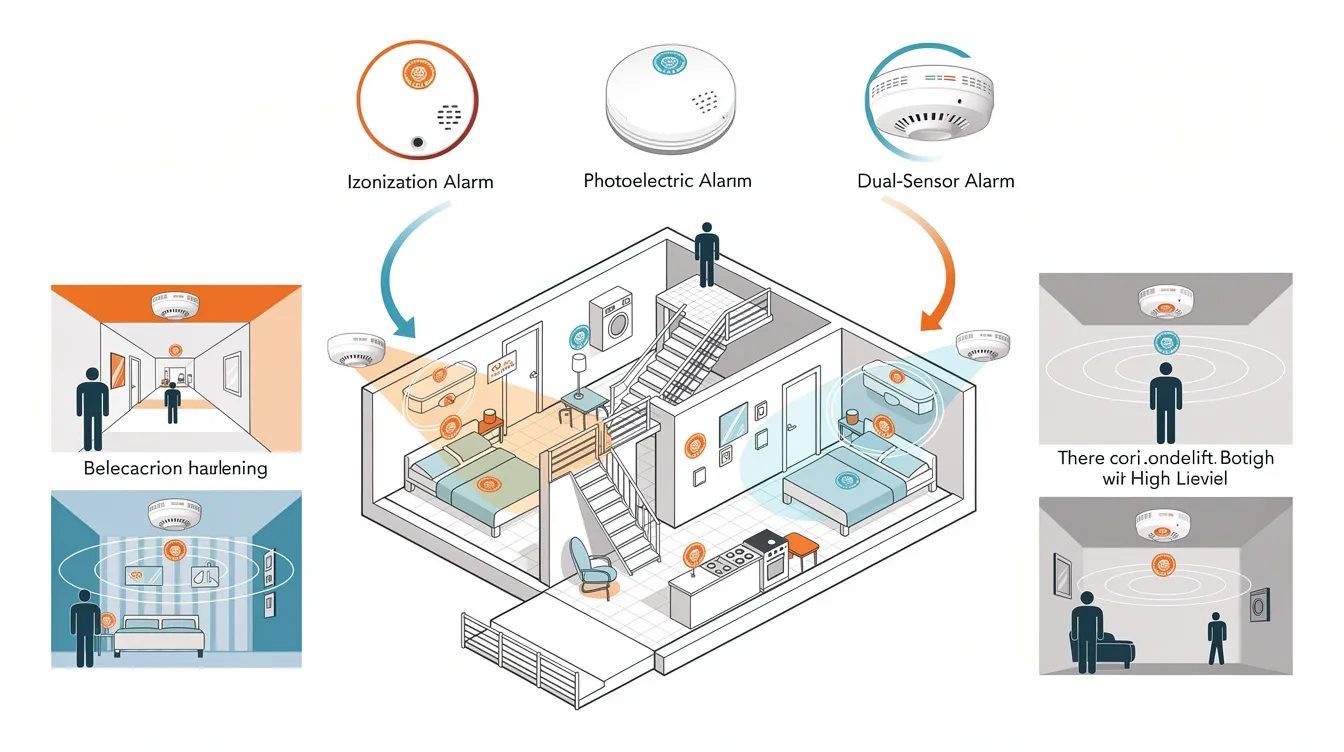
Understanding the different types of smoke alarms and their optimal placement can significantly enhance your home’s safety. Types include ionization, photoelectric, and combination smoke and carbon monoxide alarms. Fire alarms, which include smoke alarms, are essential for early detection and warning in residential settings.
Each type has an ideal placement to reduce false alarms and ensure effective detection. Modern smoke alarms offer advanced features such as voice alerts, smart connectivity, and LED indicators to enhance safety and usability. Always follow the manufacturer’s model guidelines for installation to guarantee optimal functionality.
For example, a combination smoke and carbon monoxide alarm is ideal for hallways near bedrooms, while an ionization alarm may be better suited for kitchens or garages.
Ionization Smoke Alarms
Ionization smoke alarms are particularly sensitive to fast-burning fires, making them ideal for areas such as kitchens and garages where these types of fires are more likely. Installing ionization smoke alarms in these high-risk areas ensures quick alerts in the event of a fast-flaming fire, giving you and your family precious time to evacuate safely.
Photoelectric Smoke Alarms
Photoelectric smoke alarms are designed to detect slow smoldering fires, which can be particularly dangerous in bedrooms and living rooms. These alarms excel in environments where smoldering fires might occur, providing an early warning crucial for ensuring safety while you sleep or relax.
Placing these alarms in bedrooms and living room maximizes their effectiveness and your protection.
Combination Smoke and Carbon Monoxide Alarms
Combination smoke and carbon monoxide alarms offer dual protection and are recommended on every level of your home. These alarms protect against both fire and carbon monoxide hazards, making them an excellent choice for comprehensive safety.
Install these alarms in or near sleeping areas and on every level of your home for the best protection.
Installation Tips for Optimal Performance
Smoke alarm placement guide – types of smoke alarms and their ideal placement
Proper installation of smoke alarms is crucial for effective performance. Factors to consider include:
- Placement on sloped ceilings
- Wall mounting
- Using modern wireless systems
- Installing alarms on high walls or ceilings
- Avoiding dead air spaces
Following the manufacturer’s instructions ensures that your smoke alarms work properly.
Additionally, wireless interconnected systems offer flexibility and functionality.
High Walls and Ceilings
Smoke rises, so installing smoke alarms high on walls or ceilings ensures effective detection. When mounting on walls, place the top edge of the alarm between 4 and 12 inches from the ceiling. On ceilings, position alarms as close to the center as possible.
For sloped ceilings, install alarms within 3 feet horizontally from the highest point but no closer than 4 inches vertically. Ensure they are at least 10 feet away from cooking appliances to minimize false alarms.
Avoiding Dead Air Spaces
Avoid placing smoke alarms in dead air spaces where smoke might not reach the sensors quickly, such as near vents, ceiling fans, and windows. Instead, install smoke alarms on ceilings or high on walls, ensuring they are 4 to 12 inches from the ceiling line for optimal performance.
Keep smoke and carbon monoxide alarms out of dusty, dirty, or greasy areas to maintain their functionality.
Following Manufacturer’s Instructions
Always follow the manufacturer’s instructions for installation and maintenance to ensure optimal performance and safety of smoke alarms. Adhere to the National Fire Protection Association (NFPA) guidelines and check with local fire departments for specific regulations and requirements.
Regularly test smoke alarms by pressing the test button and replace batteries as recommended by the manufacturer. Clean the alarms to prevent dust and debris from interfering with their sensors.
Interconnected Smoke Alarms for Enhanced Safety
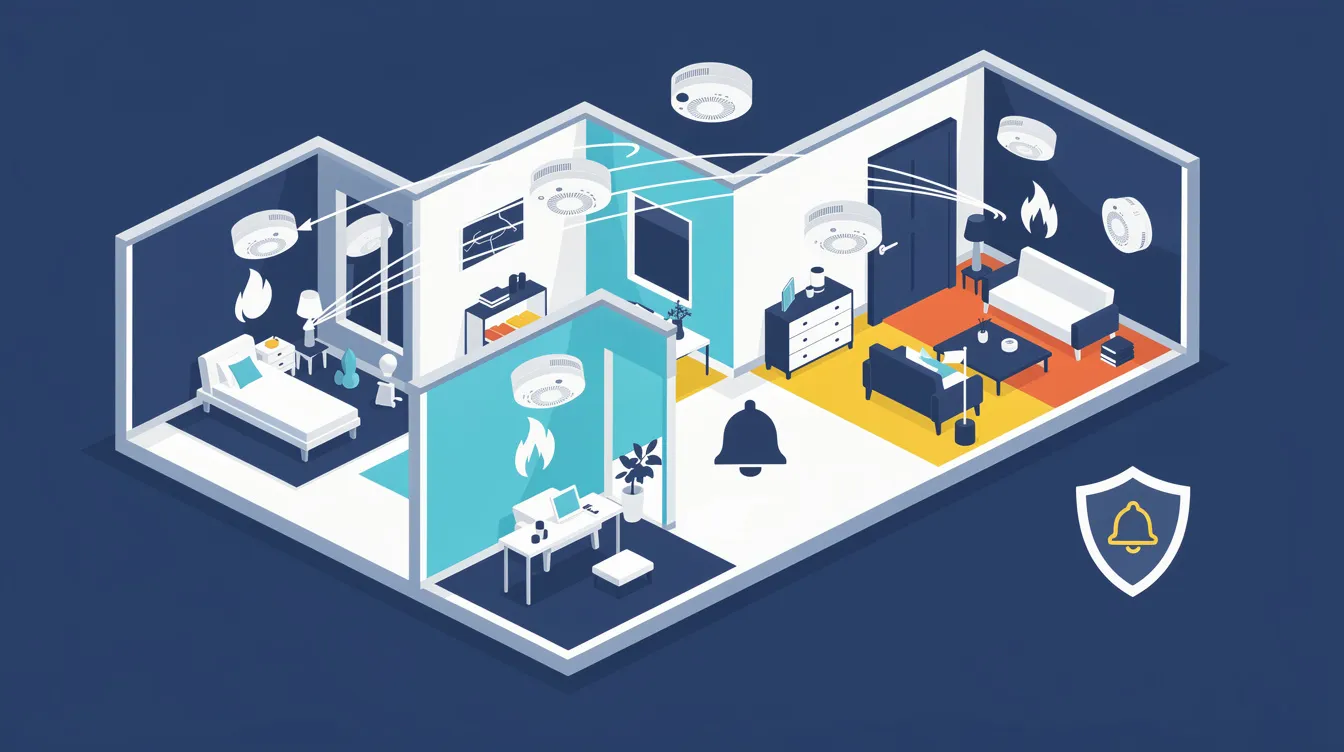
Interconnected smoke alarms significantly enhance home safety by ensuring that all alarms activate simultaneously when one detects a hazard. This unified alert system provides comprehensive coverage, alerting everyone in the house, which is crucial in a fire emergency. Interconnected alert alarms ensure that when one device detects danger, all units in the system will sound, providing immediate warning throughout the home.
Proper maintenance and regular testing are essential to ensure these alarms work correctly and provide reliable protection.
Whole Home Coverage
Interconnected alarms ensure:
- When one alarm sounds, all alarms in the home alert, providing whole home coverage.
- Early warning is vital, especially in larger homes where occupants might not hear an alarm in a distant location.
- Triggering all alarms guarantees that everyone, regardless of their location, is warned about the danger.
This comprehensive coverage is a major benefit for homeowners seeking maximum safety.
Hardwired vs. Wireless Interconnected Systems
Interconnected smoke alarm systems can be either hardwired or wireless. Hardwired systems connect directly to the home’s electrical system, providing constant power and reliable operation. Wireless systems, however, operate on batteries and use radio signals to communicate between alarms, making them easier to install and more flexible.
Hardwired systems offer reliability, while wireless systems depend on battery life and may require more frequent maintenance.
Testing Interconnected Alarms
Regularly testing interconnected alarms is crucial to ensure they are working correctly. Press the test button on each alarm to verify that all units sound simultaneously, confirming they are linked and functional.
Regular testing helps identify any malfunctioning alarms and ensures that the system provides comprehensive protection during an emergency. This practice significantly enhances your home’s safety and provides peace of mind.
Maintenance and Testing Guidelines
Smoke alarm placement guide – interconnected smoke alarms for enhanced safety
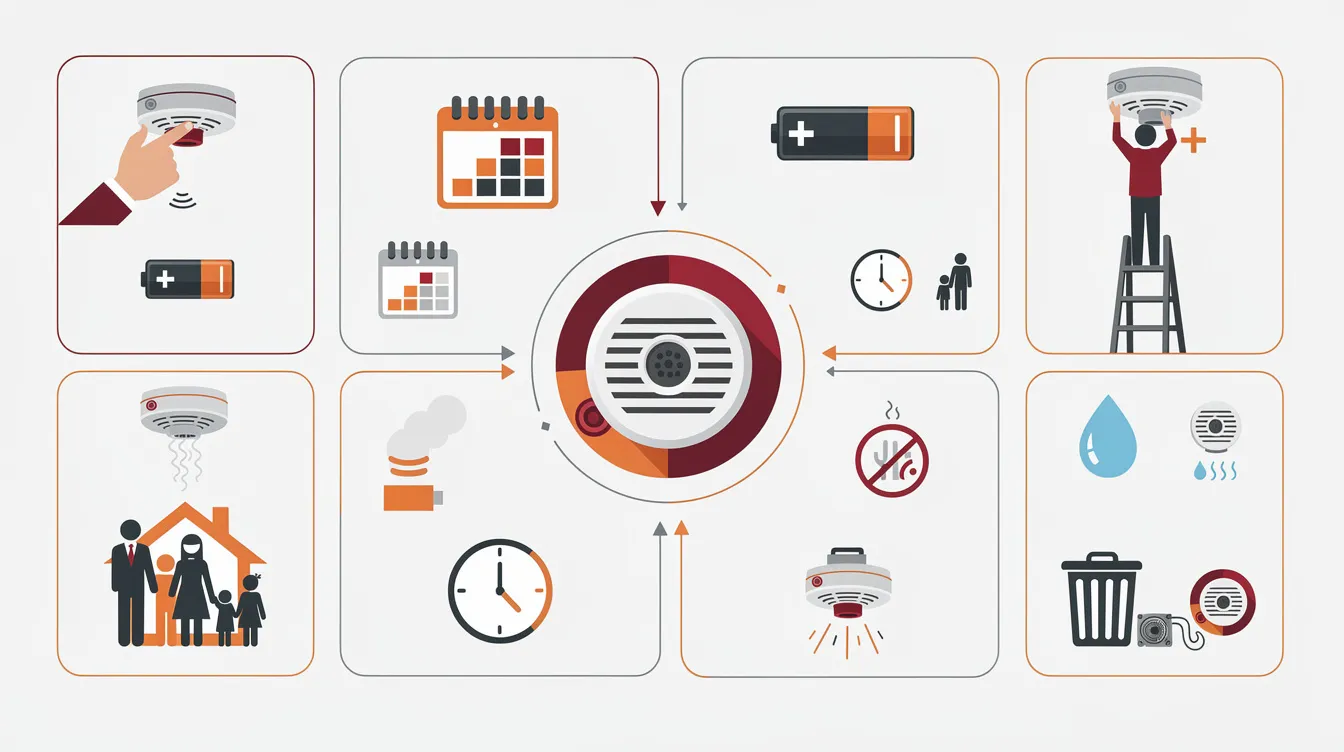
Maintaining smoke alarms through regular testing ensures they operate correctly and provide reliable safety against fires. It is important to recognize when detection standards or household needs change, so you can update your smoke alarms accordingly. Monthly testing confirms that smoke alarms will respond during an emergency.
Use the test button to verify that all units are functioning properly and communicating effectively with each other.
Monthly Testing
Test smoke alarms every month using the test button to confirm they are in working order. Regular monthly testing ensures that smoke alarms are functioning correctly and will provide early warning in the event of a fire.
The standard method for testing is pressing the test button on each device unit to verify its operational status.
Battery Replacement
Regular battery replacement is essential to ensure smoke detectors are functional and can effectively alert occupants in an emergency. Batteries should generally be replaced every six months or as recommended by the manufacturer to maintain optimal performance.
This practice ensures the alarms are always ready to protect your home.
Regular Cleaning
Keeping smoke alarms clean removes dust and debris that can affect their sensitivity and performance. Regular cleaning maintains their effectiveness and enhances overall fire safety in the home.
Start by listing some forbidden forms of the keyword “sensor” according to the rule 5.
Follow best practices for cleaning, such as using a vacuum cleaner attachment to gently remove dust from the sensor.
Legal Requirements and Standards
Adhering to national and local regulations for smoke alarm placement ensures occupant safety and compliance with fire protection standards. Legal requirements vary by state and region, impacting where and how smoke alarms should be placed.
For multi-story homes, the following smoke alarm requirements apply:
- A minimum of one smoke alarm must be present on each level to meet safety regulations.
- Larger homes may require additional alarms to comply with standards.
- Consult with local fire departments for specific guidelines.
National Fire Protection Association (NFPA) Guidelines
Following NFPA guidelines ensures maximum safety in homes with smoke alarms. The NFPA mandates that smoke alarms be installed in every bedroom, outside each sleeping area, and on all levels of the home, including basements. Compliance with these guidelines provides necessary alerts during emergencies, enhancing overall safety.
Local Regulations
Check with your local fire department for specific smoke alarm regulations to ensure safety and compliance. Local regulations can differ significantly based on jurisdictions, including specific requirements for placement and maintenance. Homeowners should verify these requirements to ensure their homes meet all legal obligations.
Consulting with your local fire department can provide clarity on additional regulations that might apply beyond national standards.
Summary
Proper smoke alarm placement and maintenance are critical for home safety. By installing smoke alarms in essential locations such as every level of the home, inside bedrooms, and near cooking appliances, you ensure comprehensive coverage. Understanding the types of smoke alarms and their ideal placements, following installation tips, and adhering to maintenance guidelines like monthly testing, battery replacement, and regular cleaning can dramatically enhance your home’s safety. Compliance with NFPA guidelines and local regulations further ensures your home is protected. Prioritize these steps to keep your home safe and sound.
Frequently Asked Questions
How many smoke alarms should I install in my home?
To enhance safety in your home, it is recommended to install smoke alarms on every level, including the basement, inside each bedroom, and outside each sleeping area. This ensures maximum protection against fire hazards.
Where should ionization smoke alarms be installed?
Ionization smoke alarms should be installed in areas prone to fast flaming fires, such as kitchens and garages, to ensure optimal safety and early detection.
How often should I test my smoke alarms?
It is essential to test your smoke alarms monthly using the test button to ensure their proper functionality. Regular testing helps maintain safety in your home.
What are the benefits of interconnected smoke alarms?
Interconnected smoke alarms enhance overall safety by providing comprehensive coverage, as all alarms sound simultaneously when one detects smoke, thereby improving awareness and response among all occupants. This interconnected system significantly increases the likelihood of early evacuation during a fire emergency.
What are the NFPA guidelines for smoke alarm placement?
The NFPA guidelines specify that smoke alarms must be installed in every bedroom, outside each sleeping area, and on every level of the home, including basements. Adhering to these guidelines enhances safety and provides vital protection against fire hazards.