Just moved in? Use this new home security checklist to make your home safe. We’ll guide you through essential steps like security audits, strengthening entry points, and setting up security systems.
Key Takeaways
- Conduct a thorough home security audit and reassess vulnerabilities seasonally, including door locks, windows, and yard maintenance.
- Strengthen entry points with deadbolts, secondary locks, and security systems; consider strategic placement of security cameras to monitor key areas.
- Look for affordable options when choosing security systems and equipment to fit your budget.
- This new home security checklist applies to both houses and apartments, with special considerations for apartment dwellers such as lease requirements and shared spaces.
- Stay informed about local crime trends and foster community relationships to enhance neighborhood security and deter potential threats.
Conduct a Home Security Audit
New home security checklist – key takeaways
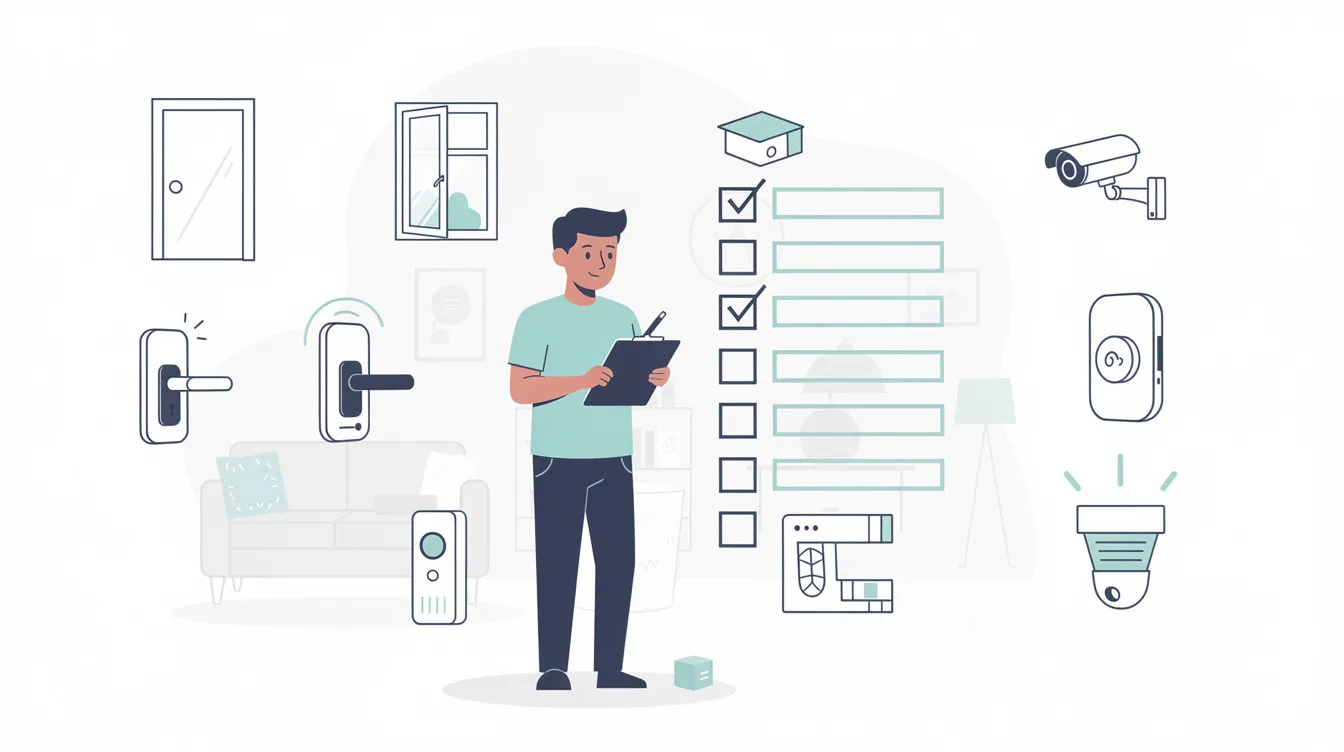
Before you can enhance your home security, you need to know where you stand. Begin with a thorough home security audit. Start by evaluating the functionality of all exterior door locks and ensure they have proper deadbolts. This is crucial because a door without a deadbolt is much easier to breach. Next, assess the condition of your windows. Make sure they are all secured and consider adding additional locks if necessary. As part of your audit, check for contact sensors on all doors and windows to ensure they are in place and functioning, as these sensors are essential for detecting unauthorized access.
Review and update access codes for security systems and smart locks during this audit. This step guarantees that only authorized individuals can access your home. Remember to perform these audits seasonally, as vulnerabilities can change with the environment. For instance, overgrown trees and shrubs can conceal intruders, so keep them trimmed.
Staying informed about local crime trends can also help you adjust your home security measures proactively. Many local police agencies provide crime data to the public, allowing you to stay updated on what’s happening in your neighborhood. This information is invaluable in identifying potential threats and enhancing your overall security strategy.
Strengthen Entry Points
Your home’s entry points are the most vulnerable areas for a break-in. Start by securing your doors:
- Use a keyed deadbolt lock to make the front door difficult to kick in.
- Consider installing a quality door with a peephole for enhanced safety when answering the door.
- Always lock all doors when leaving home or at night to secure your entry points.
- Install devices that alert you if a door or garage is left open, so you can address vulnerabilities immediately.
Windows are another common entry point for when burglars enter. Enhance window security by:
- Adding secondary locks and window sensors
- Installing decent locks
- Using window security bars
- Applying security film or security glass Since 25% of break-ins occur through windows, securing them is vital.
Consider the following security measures to reinforce your doors and windows:
- Reinforce frames.
- Use jammers or sliding barrel bolts on both doors and windows.
- For sliding glass doors, use secondary locks or a rod in the track to prevent unauthorized entry.
These measures will make it significantly harder for burglars to gain access, providing you with added peace of mind.
Install a Comprehensive Security System
New home security checklist – strengthen entry points
Choosing and installing one of the best home security systems tailored to your needs is a critical step in protecting your home. When evaluating different home security systems, consider their costs, features, and installation requirements. Decide whether you want to install the system yourself or opt for professional installation. For example, the minimum cost for professional installation is $100, and monitoring services like SimpliSafe start at $22.99 per month.
Understanding the various monitoring service options available is essential. You can decide between professional monitoring and self-monitoring based on your needs and preferences. Professional monitoring, such as that provided by ADT and Vivint, offers quick response times, with ADT responding in about 28 seconds and Vivint in 33 seconds. The monitoring center plays a crucial role by responding to alarms, providing live surveillance, and managing intrusion deterrence. Deep Sentinel guards can respond in 30 seconds or less to a potential crime.
Assess the equipment and features of the security systems and other equipment to find the best match for your needs. Consider the following:
- Most systems like Cove enhance emergency responses through RapidSOS technology.
- The touch screen control panel in the Brinks system acts as a hub and a glass break sensor.
- Systems that include security cameras, smoke detectors, and carbon monoxide detectors offer comprehensive protection.
- Evaluate how easy the system is to operate, whether through a mobile app, automation, or manual control panels.
Make an informed decision and install the chosen security system. Most homeowners find that the average monthly budget for professional monitoring is between $30 to $60. When considering companies like ADT and Vivint, compare different providers for reliability and service. By investing in a reliable security system, you ensure that your home is well-protected against potential threats. Additionally, installing a security system can help you save money on homeowners insurance premiums.
Illuminate Your Property
A well-lit home is not only aesthetically pleasing but also significantly enhances safety. Effective outdoor lighting eliminates dark areas that can provide cover for potential intruders. Positioning lights correctly around your home, especially near entry points, can significantly improve security. This not only deters would-be burglars but also increases visibility for security cameras, making them more effective.
Consider advanced lighting solutions such as motion-activated lights and motion detectors, which can startle trespassers and alert neighbors to unusual activity. Smart lighting systems can be programmed to turn on and off at specific times, improving security and alarm convenience.
By illuminating your property, you create a safer and more secure environment for you and your family.
Secure Valuables and Important Documents
New home security checklist – illuminate your property
Protecting your valuables is a crucial aspect of home security. The best ways to do this include:
- Storing them in a safe or safety deposit box.
- Keeping valuables out of view to help prevent burglars from targeting your home.
- Maintaining an inventory of personal property to ensure compensation for losses in case of theft.
Maintaining an inventory not only helps in the event of a theft but also facilitates an insurance claim. This inventory should include photos, receipts, a file, and detailed descriptions of valuable items.
Securing valuables and maintaining an inventory protect your property and prepares you for potential break-ins.
Set Up Security Cameras
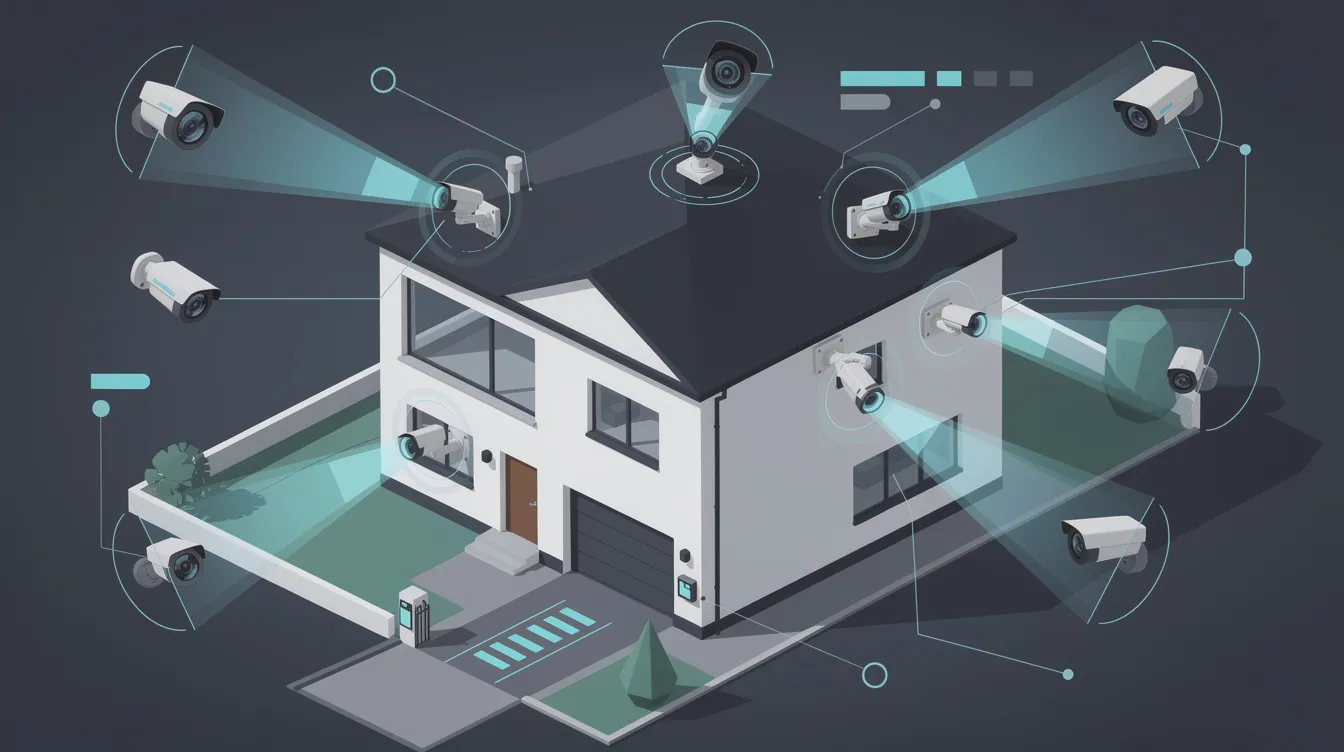
Installing security cameras at strategic locations around your home is vital for monitoring activity and providing evidence in case of a break-in. Cameras should be strategically placed to cover main entry points like doors and ground-floor windows. Secondary entry points should also be monitored for added protection.
Enhance security by using strong encryption and changing default passwords on your surveillance systems to deter hacking. Cloud storage for surveillance footage is advantageous as it is harder for intruders to erase compared to local storage.
When installing outdoor cameras, ensure they are weather-resistant to withstand environmental exposure. Setting up security cameras creates a robust surveillance system that deters intruders and provides critical evidence if needed.
Display Security Signs
Displaying security signs is a simple yet effective way to deter potential intruders. Displaying security signs can significantly reduce the risk of burglary by indicating monitored property. Use yard signs and window decals to indicate your home is monitored.
These signs create a psychological barrier for burglars, making them think twice before targeting your home. Prominently displaying security signs signals to potential intruders that your home is protected, reducing the likelihood of a break-in.
Test and Maintain Safety Devices
Regularly test smoke detectors and carbon monoxide detectors to ensure they function correctly. Test smoke alarms monthly to ensure proper operation. Test carbon monoxide detectors monthly to verify their operation.
Smoke alarms typically need to be replaced every 10 years, while carbon monoxide detectors should be replaced every 5-7 years. Consult the manufacturer’s instructions for specific maintenance and testing guidelines.
Diligently testing and maintaining this device keeps your home safe from fire and carbon monoxide hazards.
Plan Emergency Escape Routes
Develop and practice an emergency escape plan so everyone in your home knows what to do in case of a break-in or other emergencies. Here’s how to do it:
- Create a detailed map of your home that includes all doors and windows.
- Identify two exit routes from each room.
- Establish an outdoor meeting point for family members to gather post-evacuation.
- Make sure a fire extinguisher is easily accessible in your home, and ensure all family members know how to use it.
Regularly practice the escape plan with all household members to ensure everyone knows how to respond during an emergency. Ensure exits, such as doors and windows, are unobstructed for quick evacuation. Don’t forget to review the complete guide regularly to ensure you have enough time.
In high-rise buildings, familiarize residents with the locations of stairwells as part of the escape plan. Planning and practicing emergency escape routes ensures your family is prepared for any situation.
Get to Know Your Neighbors
Building relationships with neighbors creates a sense of community and mutual security. Knowing your trusted neighbor helps build connections for community support. Sharing information about suspicious activities and looking out for each other’s homes enhances neighborhood security.
Neighborhood watch programs educate neighbors on crime prevention and the importance of mutual support. These programs have resulted in a notable reduction in burglaries. In the 1990s, burglaries dropped by over 30 percent due to neighborhood watch initiatives.
A well-lit neighborhood also deters burglars and makes areas safer for walking. Fostering strong community ties creates a safer environment for everyone.
Lock Up Outdoor Items
Outdoor valuables are often overlooked when securing a home. Reduce the risk of theft by locking up outdoor valuables such as grills and bikes when not in use. Secure these items in a shed or lock them together for added safety.
Keeping gates locked, especially at night and when not at home, prevents unauthorized access. Locking up outdoor items deters potential thieves and protects your property from theft.
Secure Secondary Entry Points
Secondary entry points like mail slots, dryer vents, and pet entrances can be vulnerable to unauthorized access. Mail slots can be vulnerable; install secure locking covers to deter intruders. On the other side, dryer vents should have secure screens or flaps to block unauthorized access.
Fit pet entrances with locks or reinforce them to enhance security. Securing these lesser-known entry points further fortifies your home against potential intruders.
Utilize Smart Home Technology
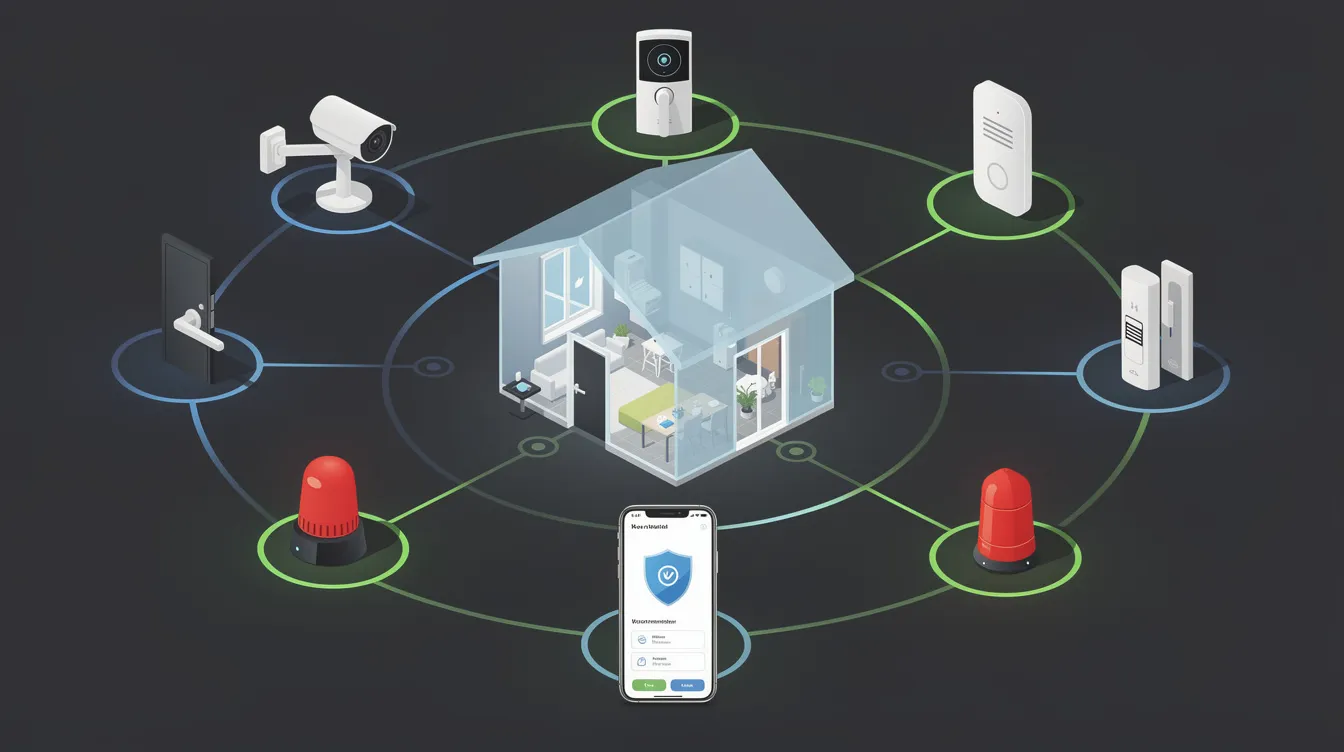
Integrate smart home devices like Wi-Fi-enabled lights and locks to enhance security and convenience. Smart home systems:
- Connect various devices to automate tasks, enhancing convenience and control over home operations.
- Allow remote management of home security, lighting, and energy usage.
- Promote efficiency through automation and centralized control.
Voice-activated assistants can automate tasks and control other smart devices, enhancing the overall smart home experience. Smart thermostats can learn user preferences and adjust heating or cooling automatically to save energy.
Utilizing smart home technology creates a seamless and efficient security system that maximizes protection and convenience.
Monitor Local Crime Reports
Staying informed about neighborhood crime trends is crucial for enhancing home security. Here are some ways to stay informed:
- Local law enforcement agencies often provide crime data to the public.
- Residents can receive alerts on neighborhood crime activity.
- Online platforms like CrimeMapping allow you to receive alerts about crime activities specific to your neighborhood.
You can create personalized crime alerts based on specific areas and types of crimes you want to monitor, including any suspicious activity. Staying informed about local crime reports helps you adjust security measures proactively and stay vigilant against potential threats.
Avoid Common Mistakes
Good safety habits prevent common security oversights. Prevention is key to home safety. Always lock doors and windows, and avoid leaving spare keys under the welcome mat. Having a cell phone handy is crucial to call for help if phone lines are cut. Additionally, following a home security checklist can help ensure you don’t overlook important safety measures.
Dogs can also contribute to home security by deterring burglars and barking at strangers. Avoiding common mistakes ensures your home remains secure and protected.
Summary
Summarizing key points is essential to reinforce the importance of each security measure. Conducting a home security audit, strengthening entry points, and installing a comprehensive security system are foundational steps. Illuminate your property, secure valuables, and set up security cameras to enhance overall security.
Displaying security signs, testing safety devices, and planning emergency escape routes are crucial for preparedness. Building relationships with neighbors, locking up outdoor items, and securing secondary entry points further fortify your house. Utilizing smart home technology and monitoring local crime reports keep you proactive and vigilant.
By following this ultimate new home security checklist, you ensure that your new house is well-protected from the very first moving day. This checklist helps you settle into your new house and organize your space for safety and comfort. Take these steps today to create a safe and secure environment for you and your family. For more tips on securing your house and making the most of your new space, explore our additional resources.
Frequently Asked Questions
How often should I conduct a home security audit?
Conducting a home security audit seasonally is recommended to identify vulnerabilities that may shift with the changing environment. This proactive approach helps maintain a robust security posture throughout the year.
What are the best ways to secure my doors and windows?
The best ways to secure your doors and windows include installing keyed deadbolt locks for doors and adding secondary locks and window sensors for enhanced protection. This approach effectively deters potential intruders.
How can I ensure my security cameras are effective?
To ensure your security cameras are effective, position them to cover main entry points, utilize strong encryption, and consider cloud storage for footage. This strategic approach enhances surveillance reliability and data security.
Why is it important to test smoke and carbon monoxide detectors regularly?
Testing smoke and carbon monoxide detectors regularly is crucial to ensure they are functioning correctly, thus providing essential protection against fire and carbon monoxide dangers. Consistent checks enhance your safety and peace of mind.
How can smart home technology enhance my home security?
Smart home technology enhances your home security by enabling remote management of security systems and providing real-time alerts, giving you greater control and the ability to respond quickly to potential threats.