Are you prepared for an emergency? This family emergency preparedness checklist will guide you through everything from gathering essential supplies and personalizing kits for each family member to creating a communication plan and handling post-emergency recovery. Ensure your family’s safety with our step-by-step guide.
Key Takeaways
- Every family should prepare a well-stocked emergency kit, including essential supplies such as non-perishable food, water, a first aid kit, and personal hygiene items, to sustain themselves for at least three days.
- Personalization of the emergency kit is necessary to accommodate the unique needs of each family member, including infants, individuals with dietary restrictions, and pets.
- Involve children in emergency preparedness planning by explaining potential hazards like fire, severe weather, and earthquakes, and educate them about safety measures to ensure they understand what to do during an emergency.
- Regular maintenance and updates of the emergency kit are essential to ensure all items are functional and relevant, with clear communication and designated storage locations for quick access during emergencies.
Essential Emergency Supplies
Family emergency preparedness checklist – key takeaways
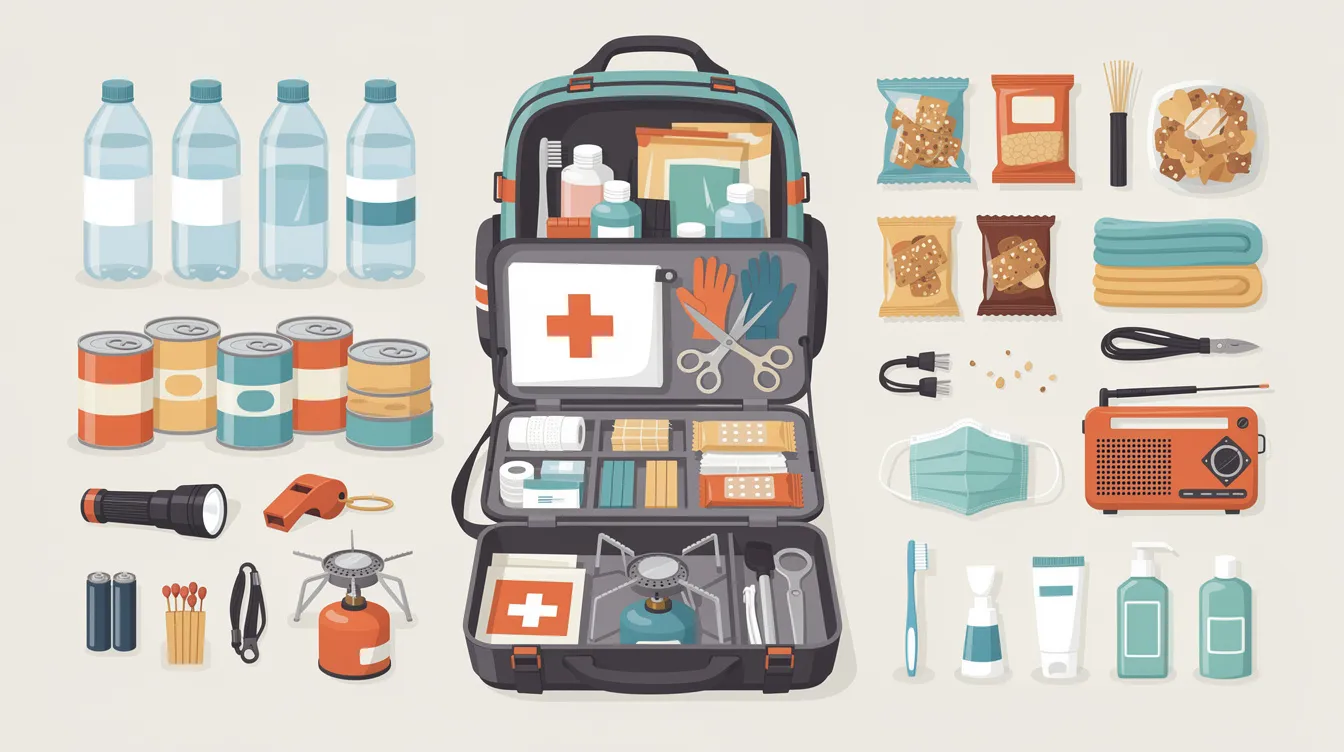
Every family needs a well-stocked survival kit to navigate the first critical days of any emergency. The primary goal of these supplies is to enable your family to survive independently for several days. This means having enough provisions to sustain each family member for a three day supply at least three days.
Start by gathering non-perishable food items and storing them in airtight plastic bags, plastic bins, or duffel bags to ensure they remain uncontaminated and easy to transport. Your kit should include a battery-operated or hand-crank NOAA Weather Radio and an aid kit whistle to stay informed and alert during emergencies.
Essential items to include in your disaster supplies kit are:
- Water (one gallon per person per day)
- Non-perishable food
- A first aid kit
- Extra batteries
- A flashlight
- Personal hygiene items
- A multi-tool
- A sleeping bag
- Prescription medications (stored properly)
The Red Cross Store is a reputable source for purchasing survival kits and first aid supplies.
These basic items in easy-to-carry containers allow for quick evacuation when disaster strikes.
Personalized Items for Family Members
Each family member has unique needs that must be accounted for in your emergency supply kit. Tailoring your emergency plan to consider these specific requirements ensures everyone stays safe and comfortable.
It is also important to involve children in disaster preparedness planning by explaining emergency hazards such as fire, severe weather, and earthquakes to them, and educating them about safety measures.
Families with infants should include baby formula, diapers, and other infant supplies, as well as basic supplies. Personal hygiene items such as toothbrushes, toothpaste, and feminine hygiene products are also essential to maintain health and comfort during prolonged emergencies.
Don’t forget to consider any special dietary needs when planning your food supplies. This could mean including gluten-free or allergy-friendly foods. To create a smaller version of the kit for each person ensures that every family member’s needs are met.
Regular Maintenance of Your Kit
Family emergency preparedness checklist – personalized items for family members
Maintaining your emergency kit is crucial. Regular checks and updates ensure all items work and remain unexpired. Review your kit annually to match your family’s evolving needs.
Replace expired items promptly and consider seasonal changes that might require different supplies. Each family member should have an individual Go Bag tailored to their specific needs, which can include personalized items like storing prescription medications and personal hygiene products, ensuring a sufficient day supply of essentials.
Store these kits in easily accessible locations, such as a cool, dry place for canned food and tightly sealed containers for boxed food and stored food. Being diligent about maintaining your kit ensures you’re always prepared, no matter what.
Safe Storage Solutions
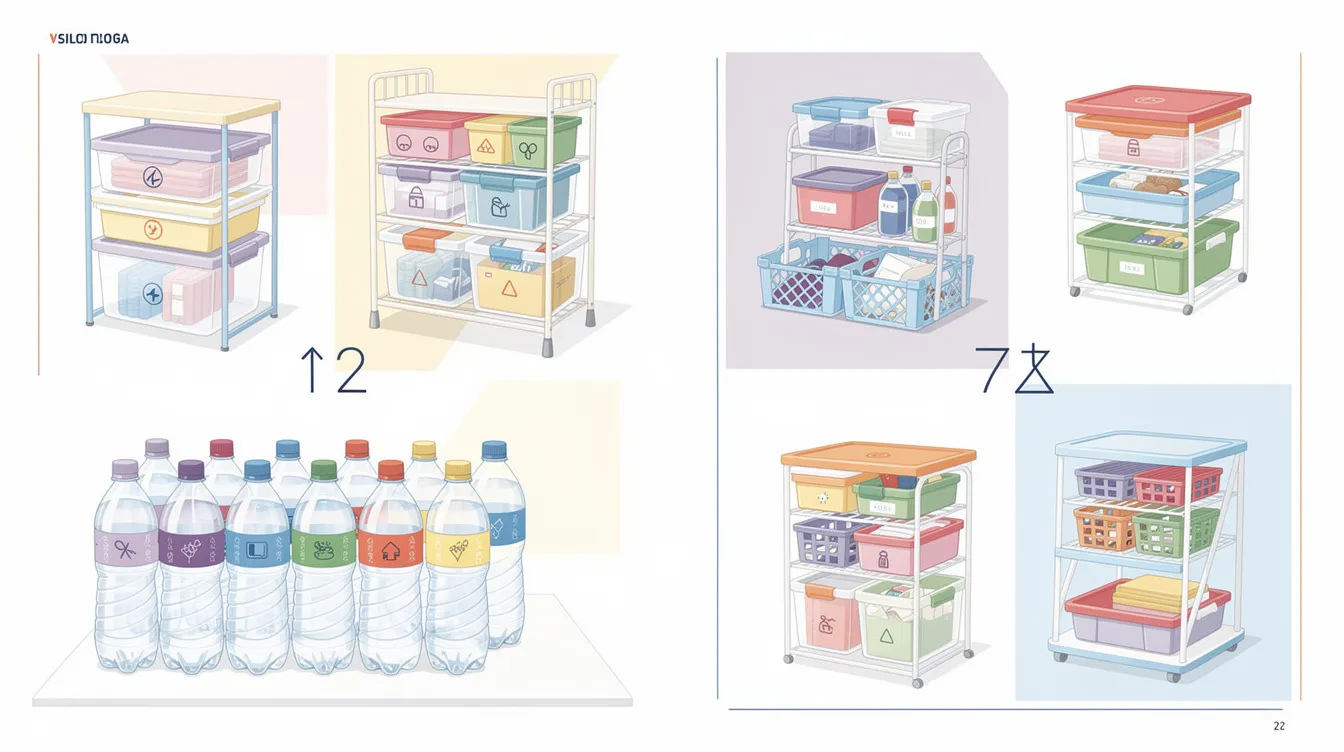
Strategic storage of your emergency kits can make a significant difference when every second counts. Store your survival kits in designated areas at home, at work, and in your vehicles to ensure you can access them quickly.
Inform all family members about the locations of these kits to avoid confusion during an emergency. Use organizational tools like:
- plastic bins
- duffel bags
- soft drink bottles
- plastic ties
- sturdy shoes to secure and organize your supplies effectively.
Communication and Evacuation Plan
Family emergency preparedness checklist – safe storage solutions
Effective communication and a well-thought-out evacuation plan are critical components of your emergency preparedness strategy. Start by maintaining a list of emergency contact information, including family members, local emergency services, and other essential contacts.
Designate clear evacuation routes and ensure every family member knows them, including plans for pet evacuation. Establish a known meeting place where your family can regroup in case of separation during an emergency.
Practice your emergency plan regularly to ensure everyone is familiar with their roles and responsibilities. This not only reinforces the plan but also helps identify any gaps that need addressing.
Staying Informed During Emergencies
Keeping informed during emergencies is vital for your family’s safety. A NOAA Weather Radio can be a lifesaver, providing timely alerts and updates specific to your location. These radios are battery-operated and portable, making them reliable even during power outages.
Every family member should know how to receive emergency alerts and warnings. Always follow official instructions and evacuation orders promptly to ensure your family’s safety.
Post-Emergency Recovery
Recovery after an emergency can be a challenging period, but being prepared can ease the process. Maintaining access to personal financial documents is essential for quick recovery. Establishing an emergency savings account can provide crucial financial support during crises.
The Emergency Financial First Aid Kit (EFFAK) offers guidance on minimizing the financial effects of disasters. It’s also important to assess food safety after an emergency, discarding any perishable items that may have spoiled.
Useful Tools and Equipment
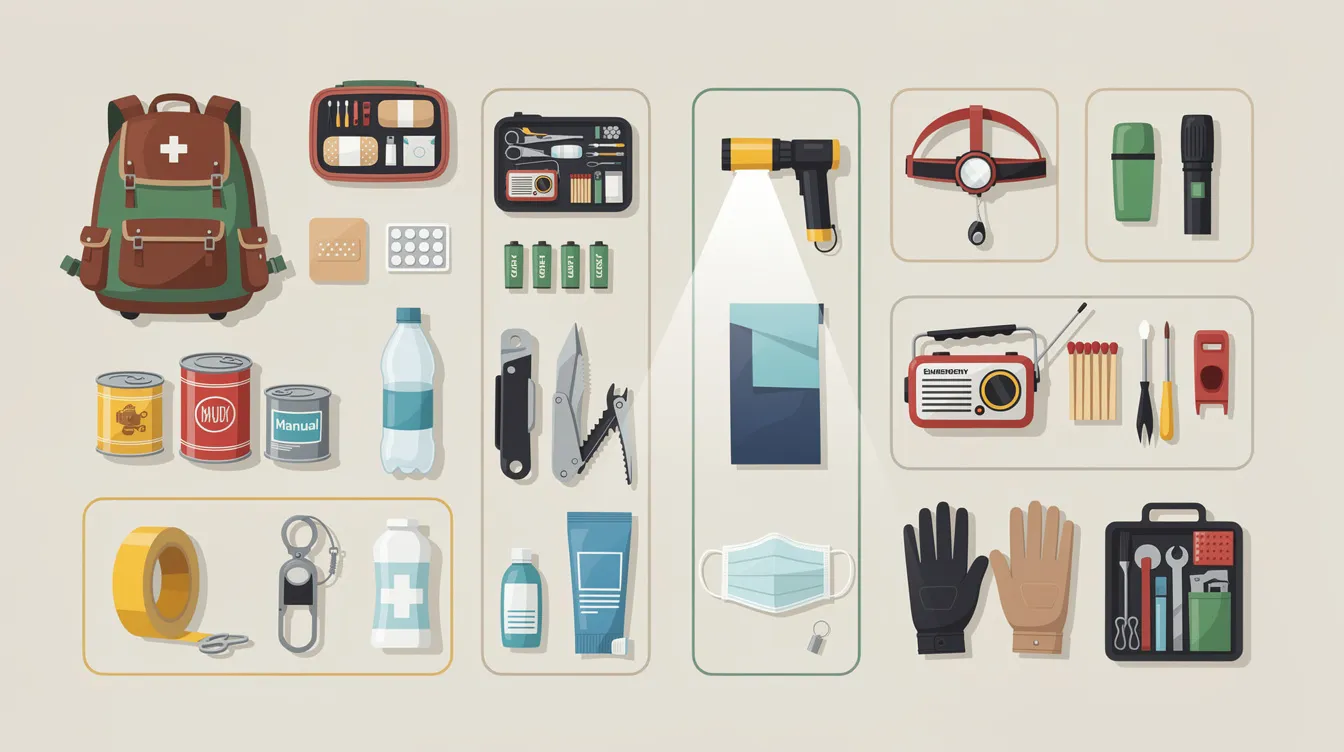
A well-rounded survival kit includes essential tools and equipment for safety and sanitation. A manual can opener is necessary to access canned food during emergencies. Duct tape is crucial for repairs and creating makeshift shelters.
Include items like moist towelettes and garbage bags for personal sanitation. Paper cups, plates, and plastic utensils are also useful for food handling and hygiene.
Financial Preparedness
Financial preparedness is a vital aspect of emergency planning. Ensure that your insurance policies cover all potential hazards, as some, like flooding, may require separate coverage. Prepared means keeping a small amount of cash at home can be helpful when electronic payment methods fail during a disaster.
Store important financial documents, such as insurance policies and bank account records, securely in a family safe. This will help you access the necessary information quickly when needed.
Special Considerations for Pets
Your pets also need to be considered in your emergency plan. Prepare an emergency kit for your pets containing essentials like:
- Pet food
- Water
- Medicine
- Appropriate identification
Providing a comfortable carrier for pets can ease their stress during evacuations.
Familiar items such as toys or blankets can help reduce your pet’s stress during an emergency evacuation. Ensure your pet is microchipped and that your contact information is current.
Maintaining Comfort and Safety
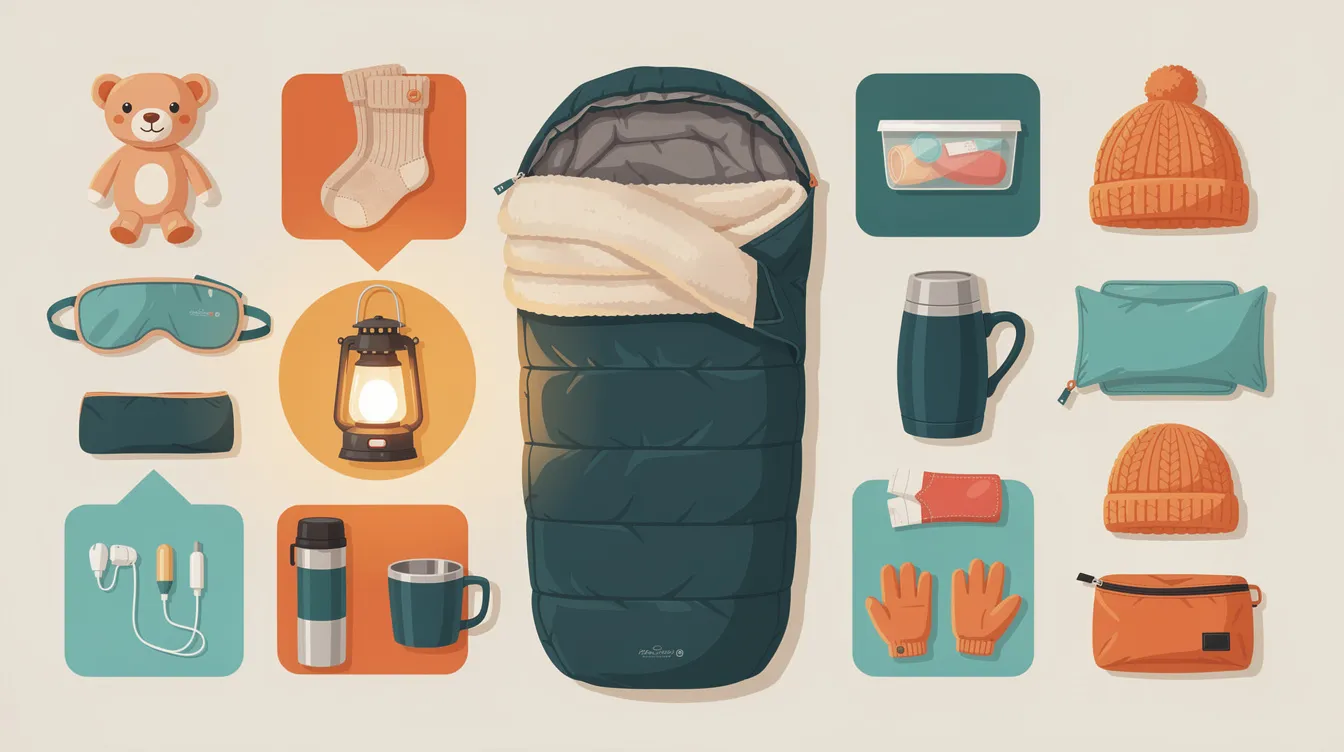
Maintaining comfort and safety during an emergency can significantly impact your family’s well-being. Include the following comfort items:
- A sleeping bag and warm blanket for each family member
- A complete change of clothes
- Sturdy shoes
- Long pants These items help ensure protection and comfort during emergencies.
Consider including comfort foods to help alleviate stress in emergency situations.
First Aid and Medical Supplies
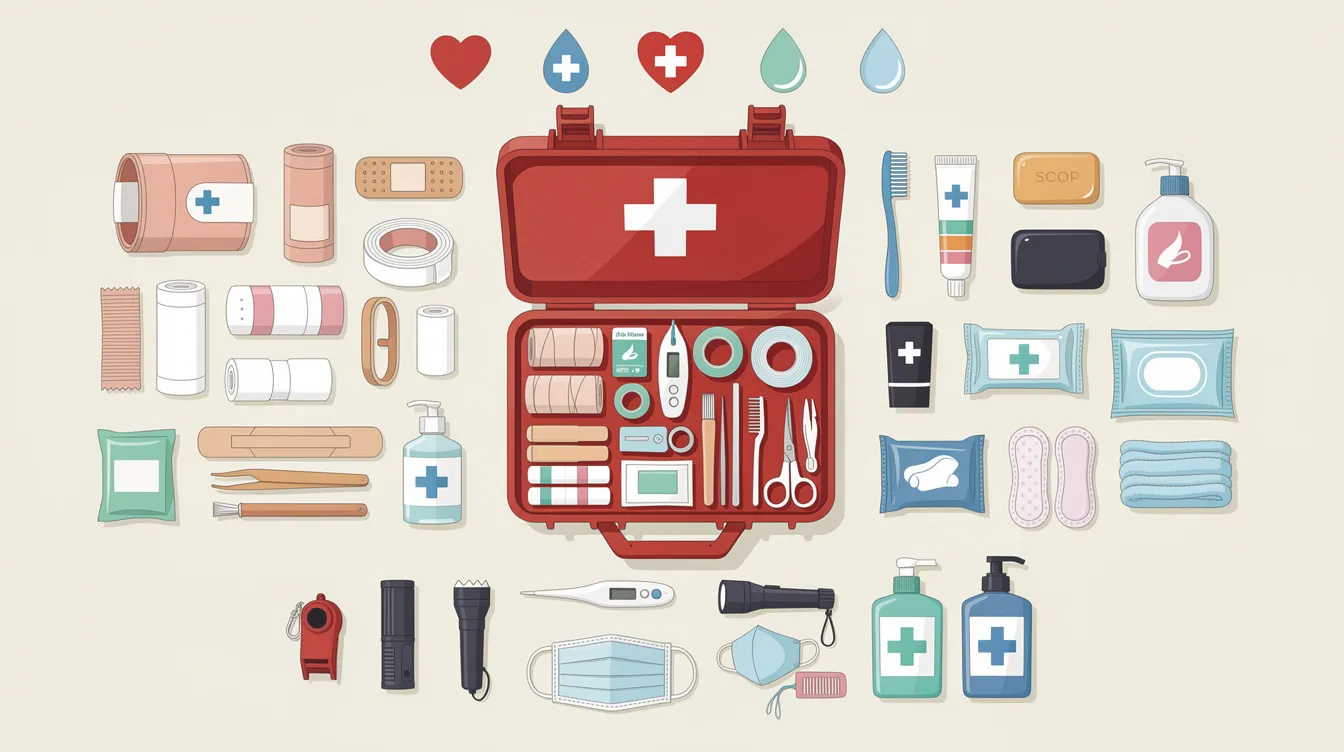
A comprehensive first aid kit is essential for addressing medical emergencies during a crisis. Include necessary life-saving medications and copies of prescriptions in your kit. Personal hygiene items like spare eye glasses and feminine hygiene products are also crucial.
Regularly update and restock your first aid supplies to keep items available and functioning.
Ensuring Hydration and Nutrition
Water is a critical component of your disaster supplies kit. Store at least one gallon of extra water per person per day for at least three days.
Select foods that are easy to store and require minimal preparation. A manual can opener is essential for accessing canned food.
Preparing for Utility Disruptions
Prepare for power outages and utility disruptions with a battery-powered or hand-crank radio, extra batteries, and a utilities manual. NOAA Weather Radio provides continuous emergency updates even during power outages.
Follow safety precautions for food and water during outages, such as keeping food covered and following boil water advisories. Establish emergency power connections for critical electronics to maintain operations during outages.
Emergency Contact Information
Maintaining a list of emergency contacts is crucial for ensuring family members can reach each other and seek help during emergencies. Include loved ones, local emergency services, and essential contacts such as doctors and neighbors in your emergency contact list.
Ensure every family member has access to the emergency contact information, whether it’s on paper, in a mobile app, or displayed prominently in the home. Regularly review and update the contact list to reflect any changes.
Summary
In summary, preparing for emergencies involves a comprehensive approach that includes gathering essential supplies, tailoring kits to family members’ needs, and maintaining and storing these kits properly. Communication and evacuation plans are critical, as is staying informed during emergencies. Recovery, financial preparedness, and considerations for pets are also vital components of a robust emergency plan.
By following this ultimate family emergency preparedness checklist, you can ensure your loved ones are ready to face any emergency with confidence. Remember, being prepared means being proactive. Stay safe and prepared, always.
Frequently Asked Questions
How often should I update my emergency supply kit?
It is recommended to update your emergency supply kit at least once a year to ensure that all items remain current and meet your family’s needs. Regular reviews are essential for preparedness.
What should be included in a pet emergency kit?
A pet emergency kit must contain pet food, water, medication, and proper identification. Additionally, including a comfortable carrier and familiar items like toys or blankets can significantly alleviate your pet’s stress during emergencies.
How much water should I store for my family?
To adequately prepare for emergencies, it is advisable to store at least one gallon of water per person per day for a minimum of three days. This will help ensure your family’s hydration needs are met.
Why is it important to have a NOAA Weather Radio in my emergency kit?
Having a NOAA Weather Radio in your emergency kit is essential, as it delivers continuous updates and alerts tailored to your specific region, ensuring you remain informed even during power outages. This capability enables you to make timely and informed decisions during emergencies.
How can I ensure my financial preparedness for emergencies?
To ensure financial preparedness for emergencies, establish an emergency savings account and ensure your insurance policies adequately cover potential hazards. Additionally, keep a small amount of cash at home and securely store important financial documents.