Conducting a DIY home security audit helps you spot and address weaknesses in your home’s protection. Using a home security checklist provides a structured way to evaluate and enhance your home security, ensuring a proactive approach to safeguarding your property. This guide will show you simple steps to improve your security and keep your home safe.
Key Takeaways
- Regularly inspect the home’s perimeter, locks, lighting, and security systems to identify and address vulnerabilities.
- Enhance security by upgrading entry points, securing windows and sliding doors, and maintaining outdoor areas to deter potential burglars.
- Establish daily security habits and assign family roles in home security to foster a proactive approach to safety.
Walk the Perimeter
Diy home security audit – key takeaways
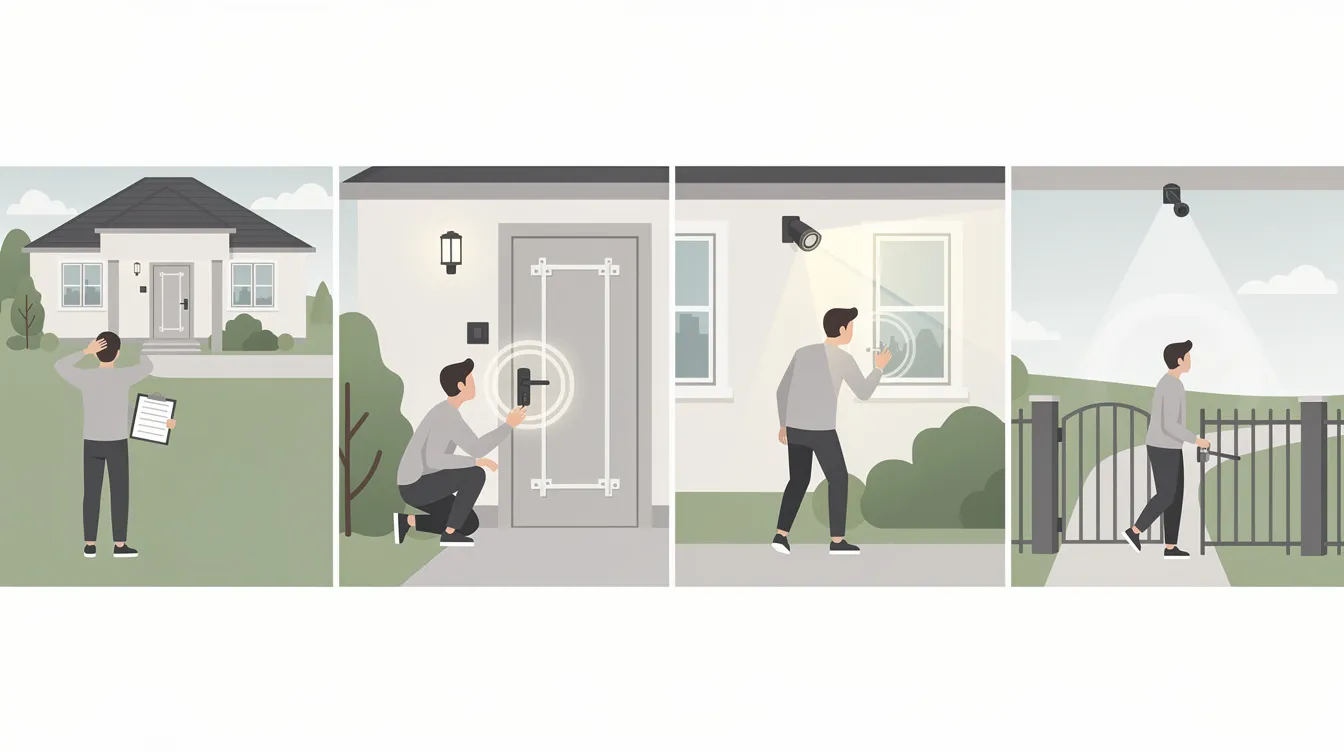
Begin by walking the perimeter of your home, scrutinizing every external detail. Look for signs of damage on exterior doors and windows, as these are prime entry points for intruders. Check for any wear or broken locks that could compromise security. Address these issues promptly to maintain a robust first line of defense and consider conducting a home security audit.
Next, consider your landscaping. Overgrown shrubs and tree limbs can provide perfect hiding spots for potential burglars. Trim these back to eliminate blind spots and improve visibility around your property. Additionally, ensure that your house numbers are clearly visible from the street to help emergency responders locate your home quickly in the event of an emergency.
When assessing lighting and visibility, make sure the home’s exterior is well-lit and secure to deter intruders and improve overall safety.
Finally, take note of any areas that could be potential vulnerabilities. Documenting these with notes and photos can help you identify patterns and plan improvements. Prevent “window shopping” by ensuring valuables are not visible from windows, making it harder for burglars to scout for items inside your home or garage. Regular inspections of your home’s exterior help mitigate potential security risks and maintain a secure environment while identifying vulnerabilities.
Test All Locks
Locks are among the most critical security features of your home. Start by:
- Testing the functionality of all locks on your exterior doors.
- Ensuring that deadbolts extend fully and operate smoothly from both sides.
- Considering installing deadbolts higher or lower than the standard height for added security.
Avoid hiding spare keys under the door mat, as this is a common spot burglars check. Instead, use more secure alternatives such as giving a spare key to a trusted neighbor, rekeying your locks, or upgrading to smart locks.
Evaluate the locks on secondary entry points like sliding glass doors and garage doors, which often have weaker locks that can be easily bypassed. Evaluate the condition of these locks and consider upgrading to smart locks for added convenience and security features.
Remember, a home secure starts with solid core, reliable locks.
Evaluate Lighting
Diy home security audit – test all locks
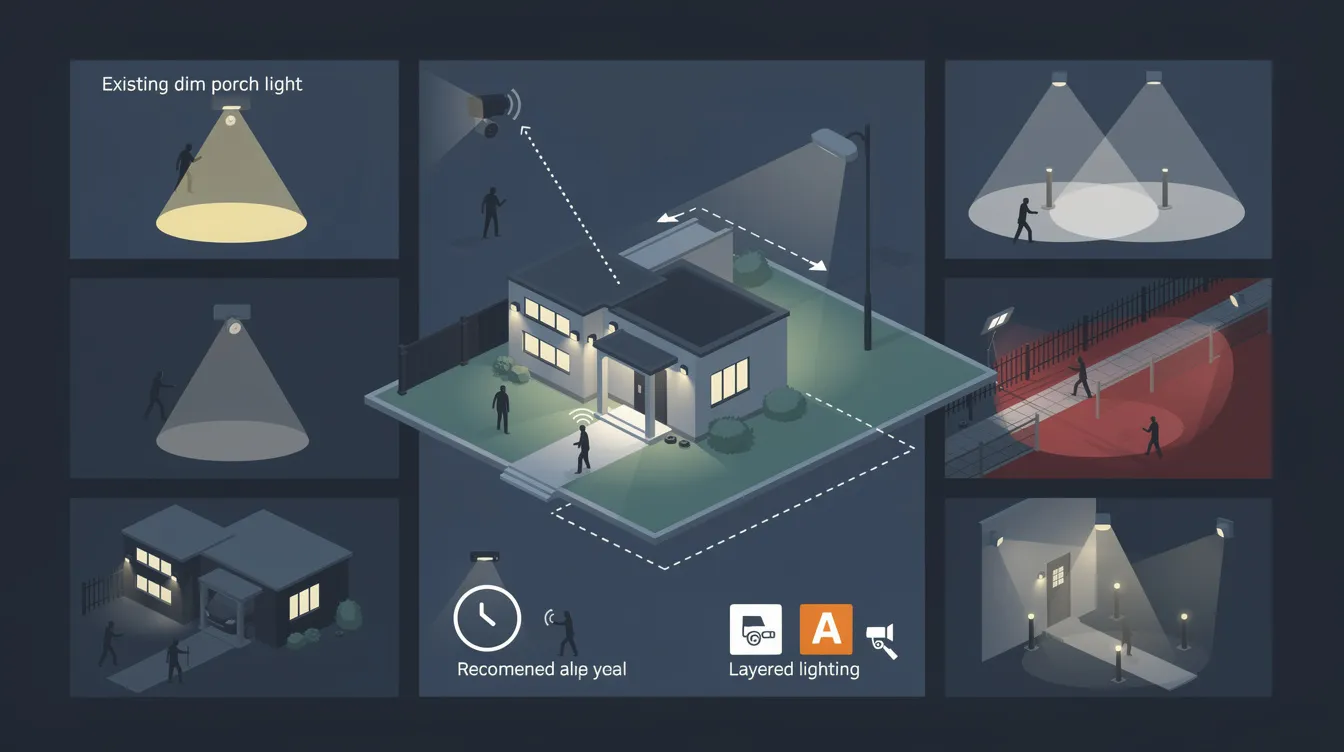
Effective outdoor lighting is a powerful deterrent against intruders. Begin by assessing the placement and functionality of your current outdoor lighting, including motion detectors, motion sensor lights, and floodlights. At night, walk your yard to identify any dark areas that need better illumination. Remember, a dark, unlit entrance is like rolling out a welcome mat for intruders, making it crucial to keep entryways well-lit.
Recommendations for outdoor lighting:
- Replace any burned-out bulbs and consider upgrading to energy-efficient LED bulbs for longevity.
- Properly place lights to eliminate shadows and enhance your home’s security.
- Perform regular maintenance and updates to your outdoor lighting to create a well-lit environment that deters potential burglars and ensures safety.
Additionally, installing surveillance cameras can further deter intruders and provide an extra layer of security for your property.
Inspect Security Systems

A robust home security system provides comprehensive home protection. Start by reviewing the main components of your alarm system, including home security cameras, window sensors, and alarms. Ensure that all devices are installed correctly and functioning as intended. Place window decals on visible windows, especially those facing side and rear entry points, to deter intruders by signaling that your home is protected.
To maintain your security system effectively:
- Integrate your security system with smart home devices for enhanced control and convenience.
- Regularly update system settings and change passcodes to maintain security.
- Periodically test all components to confirm they operate correctly.
- Replace batteries as needed.
Keeping your security system up to date closes potential security gaps and enhances home protection.
Secure Windows and Sliding Doors
Diy home security audit – inspect security systems
Windows and sliding glass doors are common entry points for burglars enter, making their security crucial. Enhance window locks security by installing secondary locks or security film to make them harder to breach, and consider adding extra security features such as bars, film, or sensors for additional protection.
Sliding glass doors require special attention due to their vulnerability. To enhance their security, consider the following measures:
- Use dowel rods in the tracks to prevent them from being forced open.
- Install security bars for added protection.
- Apply security film to strengthen the glass.
These measures significantly reduce the increased risk of a successful break-in.
Fortify Entry Points
Upgrading exterior doors is a vital step in home security. Opt for solid wood, fiberglass, or metal clad doors that fit tightly in their frames. These materials provide excellent resistance against forced entry.
Reinforce door frames and hinges with three-inch screws to enhance overall security. Adding wide-angle peepholes allows you to see who is at your door without opening it, adding an extra layer of safety. Fortifying entry points creates a formidable barrier against intruders.
Maintain Outdoor Security
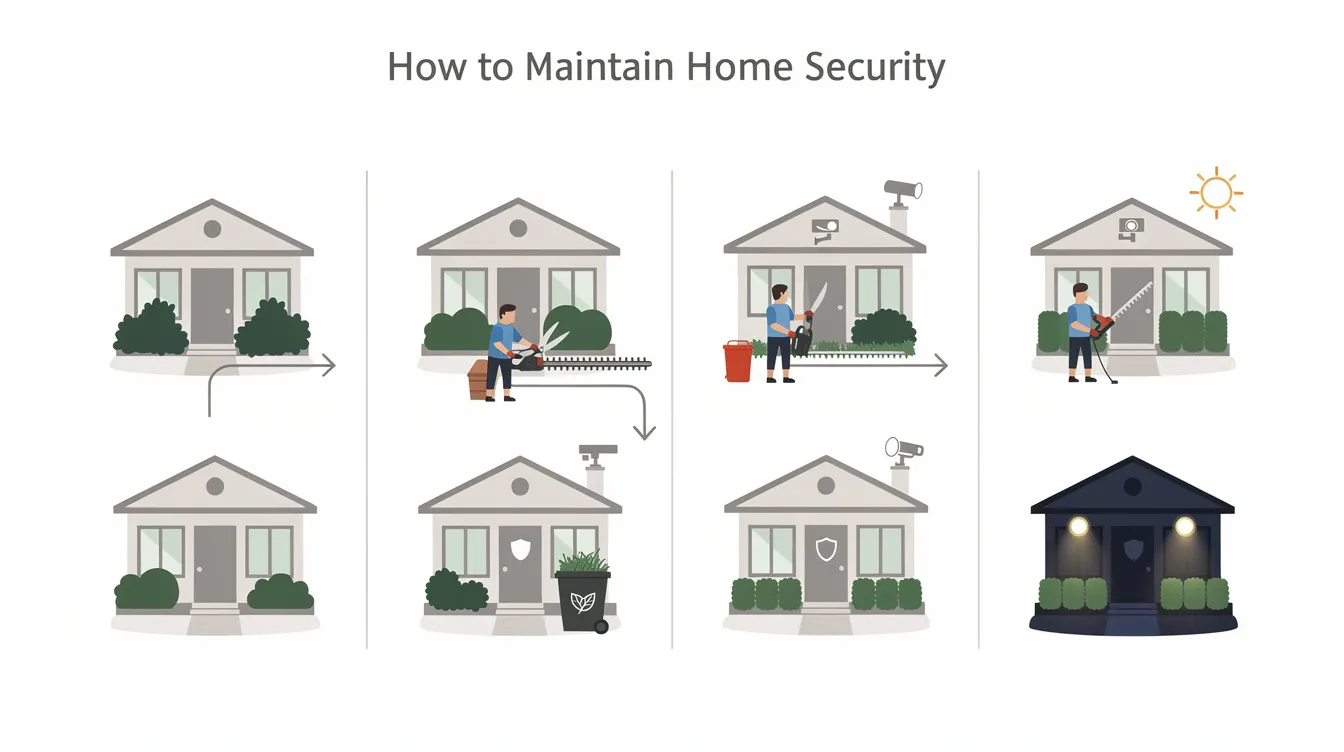
Properly maintained outdoor spaces can significantly deter burglars. To enhance security:
- Trim overgrown shrubs and tree limbs to eliminate hiding places and improve visibility.
- Utilize motion sensor lights to illuminate dark areas around your property, deterring potential intruders.
- Ensure that garages and sheds are locked to protect valuable items and to securely store ladders, tools, and other equipment that could be used by burglars.
In addition to enhancing security, these measures improve your home’s curb appeal.
Protect Valuables Inside
Securing your valuables is a critical aspect of home security. Here are some steps to help protect them:
- Store important documents and high-value items in a safe or safety deposit box.
- Keep an inventory of your possessions, including serial numbers.
- Photograph items for an insurance claim in case of theft.
To prevent package theft, consider installing security cameras focused on your porch or entryway, or ask a trusted neighbor to collect packages when you are not home.
Install the safe in a concealed location and bolt it down to prevent burglars from taking it. Such precautions ensure your valuables remain secure and provide peace of mind.
Safety Devices and Detectors
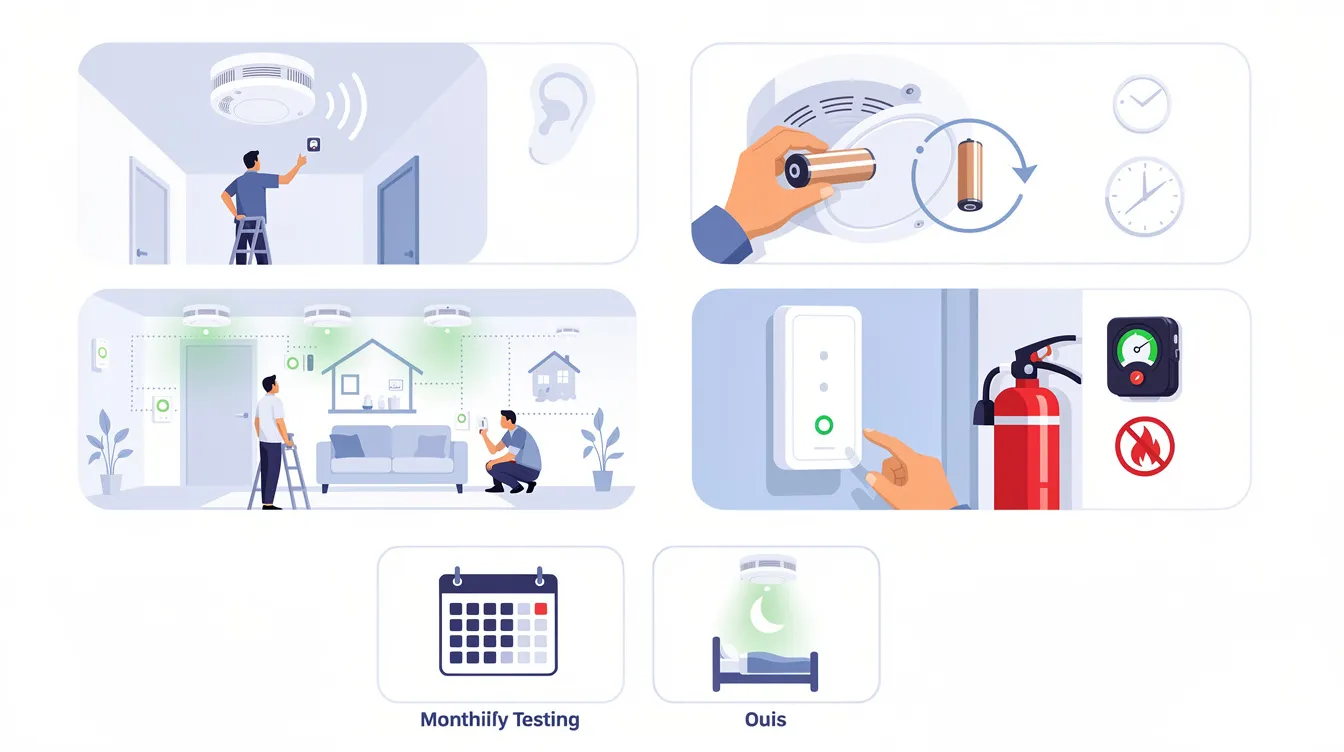
Smoke and carbon monoxide detectors are essential for home safety. Check smoke detectors monthly and check batteries annually to keep them operational. Replace them every ten years.
To enhance home safety:
- Install carbon monoxide detectors on every level of your home and near sleeping areas.
- Test carbon monoxide detectors monthly and replace batteries as needed.
- Keep fire extinguishers easily accessible.
- Ensure fire extinguishers are in working condition.
These devices save lives in emergencies.
Daily Security Habits
Good security habits are crucial for maintaining a safe home. Here are some important practices to follow: more ideas - Always lock doors and windows every night and when leaving the house. - Avoid common hiding spots for spare keys, such as under the doormat. - Use a lockbox or give a spare key to a trusted neighbor instead.
Install lights on timers to give the appearance that someone is home, even when you are away. If you plan to be away for an extended period, put your mail and deliveries on hold to prevent theft. These daily routines help maintain a secure environment and deter would be burglars by reducing opportunities for intrusion through a neighborhood watch program.
Family Member Roles
Every family members has a role in home security. These roles include:
- Educate everyone on how to properly lock doors and windows.
- Inform them about who is allowed access.
- Explain the procedures to follow in case of an emergency.
- Conduct regular security audits together to identify possible weaknesses and improve overall safety.
Develop an emergency escape plan with designated safe rooms and escape routes. Involving children in security training helps them understand basic safety rules and encourages responsible behavior.
Store firearms in a secured gun safe and organize valuables to determine necessary security measures. Working together, your family can create a secure and prepared home environment.
Summary
In conclusion, conducting a DIY home security audit is a straightforward yet effective way to enhance your home’s safety. By walking the perimeter, testing locks, evaluating lighting, inspecting security systems, and securing entry points, you can significantly reduce the risk of break-ins.
Remember to maintain outdoor security, protect valuables, regularly check safety devices, and develop good security habits. Educate your family members on their roles and conduct regular security audits together. These steps will help you create a secure and peaceful home environment. Take action today and make your home a fortress.
For advanced home security strategies and expert recommendations, be sure to check out more tips to further enhance your safety and security.
Frequently Asked Questions
How often should I conduct a home security audit?
You should conduct a home security audit at least once a year or whenever there are significant changes to your home or neighborhood. This practice ensures you stay proactive in protecting your property.
What are some common signs of a potential break-in?
Common signs of a potential break-in include broken locks, damaged windows, unfamiliar vehicles or individuals loitering, and unusual disturbances around entry points. Stay vigilant and secure your property if you notice any of these indicators.
How can I improve the security of my sliding glass doors?
Improving the security of your sliding glass doors can be effectively achieved by using dowel rods in the tracks, installing security bars, and applying security film to enhance their resistance to break-ins. These measures will significantly enhance the safety of your home.
What should I do if I notice suspicious activity in my neighborhood?
If you notice suspicious activity in your neighborhood, report it to local authorities immediately and consider joining or establishing a neighborhood watch program to improve community safety. Your proactive involvement can make a significant difference.
Are smart locks worth the investment?
Smart locks are worth the investment due to their enhanced security, convenience, and remote control features, making them a valuable addition to your home.