Proper storage of household chemicals is crucial to prevent accidents like poisonings, fires, and spills. In this article, we’ll provide essential tips for safe storage of household chemicals, ensuring your home stays a risk-free environment.
Key Takeaways
- Proper segregation of household chemicals by hazard class prevents dangerous reactions and enhances safety.
- Flammable liquids must be stored in approved containers, away from ignition sources, and regularly checked for leaks to minimize fire risks.
- Effective labeling and documentation of chemicals, along with an emergency preparedness plan, are crucial for ensuring safe handling and quick responses during chemical exposures.
Proper Segregation of Chemicals
Safe storage of household chemicals – key takeaways
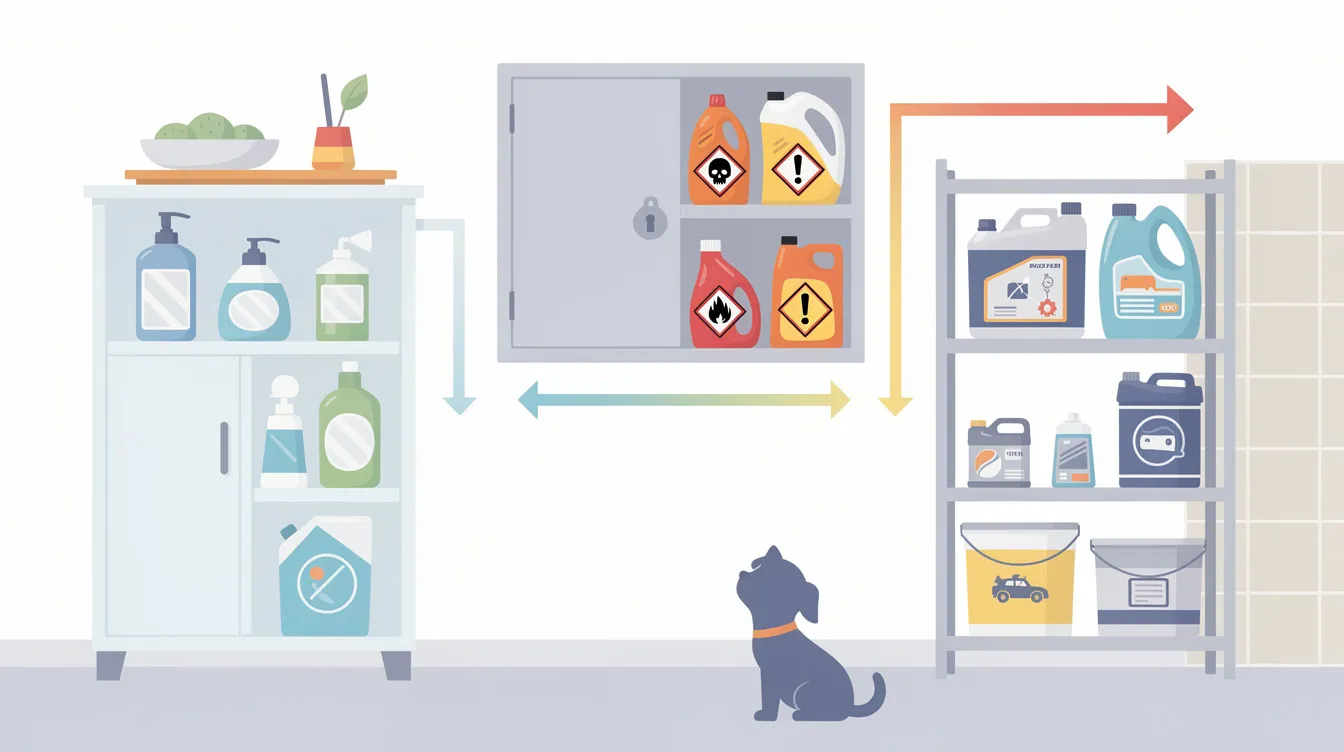
Properly segregating household chemicals according to their hazard class prevents dangerous reactions and ensures safe storage. Imagine a scenario where incompatible chemicals are stored together – a simple spill could trigger a fire or release toxic gases, posing a significant threat to your household. It is important to determine which chemicals can be stored together by consulting an incompatible chemicals table or safety guidelines.
When you store chemicals, organize them by their hazard compatibility instead of alphabetical order or physical state to avoid incidents. Chemicals should not be stored alphabetically to avoid accidental reactions. A modified version of the Department of Transportation hazard class system is recommended for effective chemical segregation. For instance, flammable materials should be stored separately from oxidizers and corrosives to prevent any hazardous interactions.
Use trays or barriers to physically separate different chemical hazard classes in the same cabinet. This practice helps identify explosive chemicals and keeps multiple containers of the same chemical organized, reducing accidental mixing risks. Proper labeling and maintaining appropriate storage conditions further enhance safety.
By following these guidelines, you can segregate household chemicals correctly, minimizing dangerous reactions and creating a safer home environment.
Safe Storage Practices for Flammable Liquids
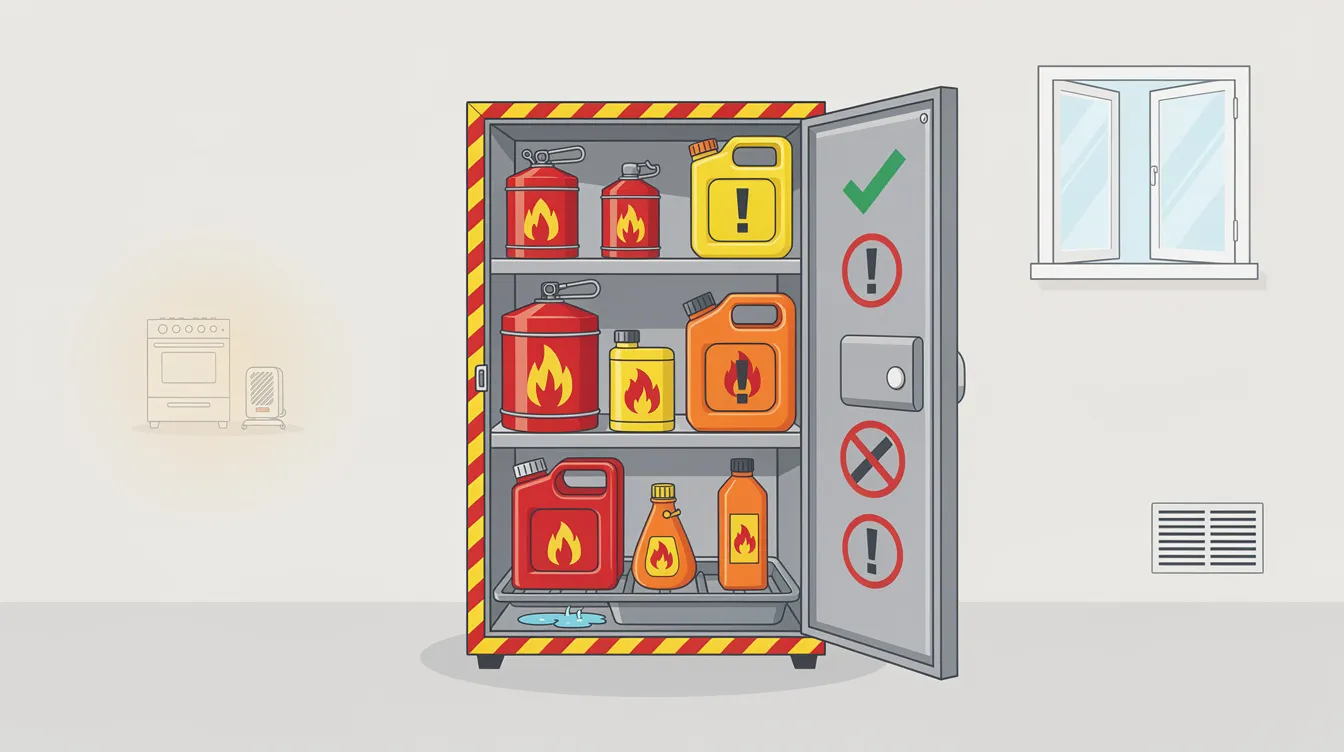
Properly storing flammable liquids demands meticulous attention to detail. Key precautions include:
- Keep these substances away from common pathways or exits to prevent them from becoming hazards during an emergency.
- Store flammable liquids in cabinets that are clearly labeled.
- Ensure cabinets warn against keeping flammable liquids near sources of ignition.
Guidelines for storing flammable liquids:
- Store flammable liquids in approved containers designed to minimize risks.
- Regularly check these containers for leaks or spills, as even small amounts of flammable liquid can cause serious harm.
- The maximum quantity of flammable liquids allowed in a single storage cabinet is 120 gallons for certain categories, ensuring that the risk is contained within a manageable volume.
Monitoring the quantities of flammable liquids stored is essential for safety and compliance with regulations.
Adhering to these guidelines ensures safe storage of flammable liquids, reducing fire risks and enhancing household safety.
Storing Corrosive Substances Safely
Safe storage of household chemicals – safe storage practices for flammable liquids
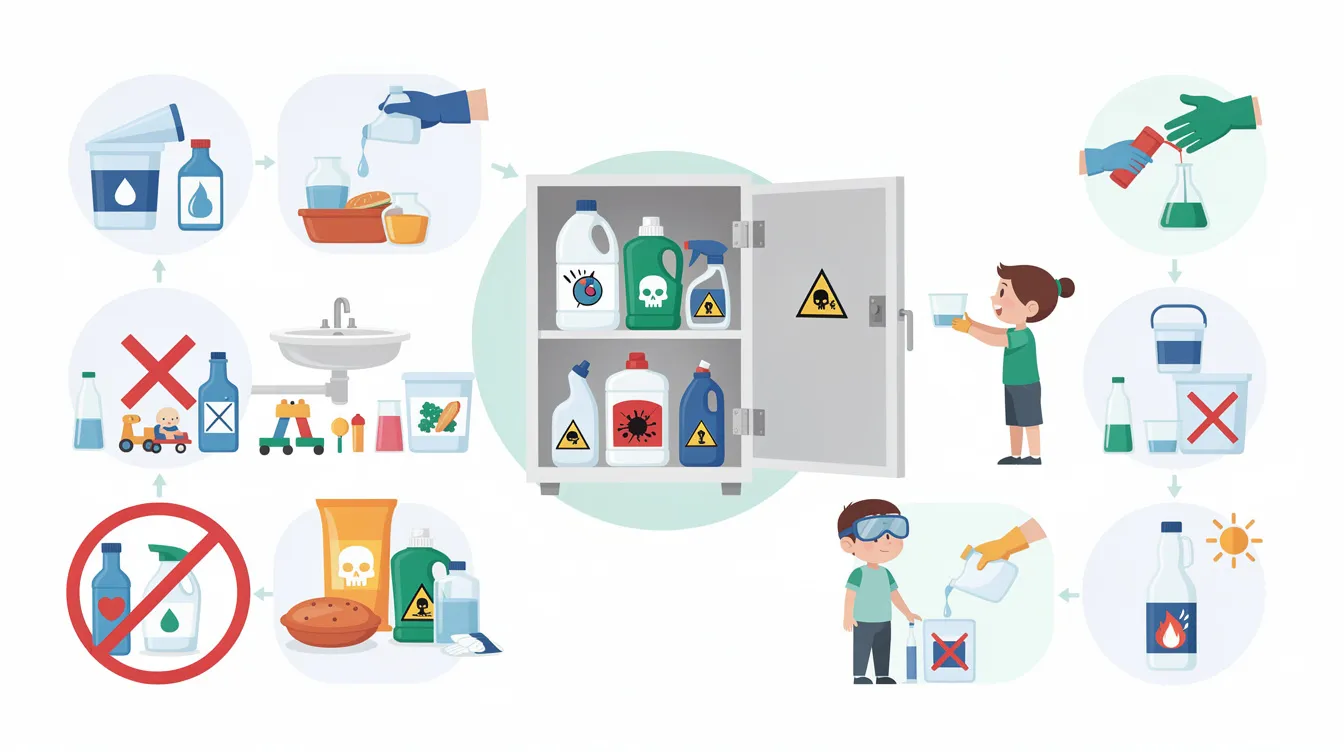
Substances like acids and bleach require special storage considerations. Store these materials in cabinets designed to prevent spills and exposure. For example, glacial acetic acid should be stored in a flammable storage cabinet or a corrosives cabinet, further segregated from incompatible corrosives.
Use polyethylene for corrosive storage cabinets due to its superior resistance. Other considerations include:
- Steel cabinets with a corrosion-resistant coating are also suitable.
- Wooden cabinets should be avoided for oxidizing acids.
- Confirm with the manufacturer that steel cabinets meet flammable storage cabinet requirements.
- Venting is beneficial but not required.
Specialized equipment for handling corrosives during both routine and emergency situations ensures safe storage and chemical storage. This ensures that any potential spills or exposure can be managed effectively, protecting both people and property.
Keeping Prescription Medications Secure
To safely store prescription medications:
- Keep them out of reach of children and pets to prevent accidental ingestion.
- Store medications in their original containers.
- Ensure safety locks on the containers are secured.
- Keep controlled substances like opioids in locked cabinets or drawers to enhance safety. Medicine is essential for health management. Additionally, be mindful of prescription drugs and meds to ensure proper storage and safety.
Children are particularly vulnerable to poisoning from household chemicals, medicines, and cleaning products. Parents and caregivers keeping these items out of children’s reach can significantly reduce the risk of poisoning and its harmful effects. Following these safety practices can help protect your loved ones, including a young child, from accidental harm. If you ever need assistance, remember to reach out for poison help regarding children medicine.
Handling Potentially Poisonous Substances
Safe storage of household chemicals – keeping prescription medications secure
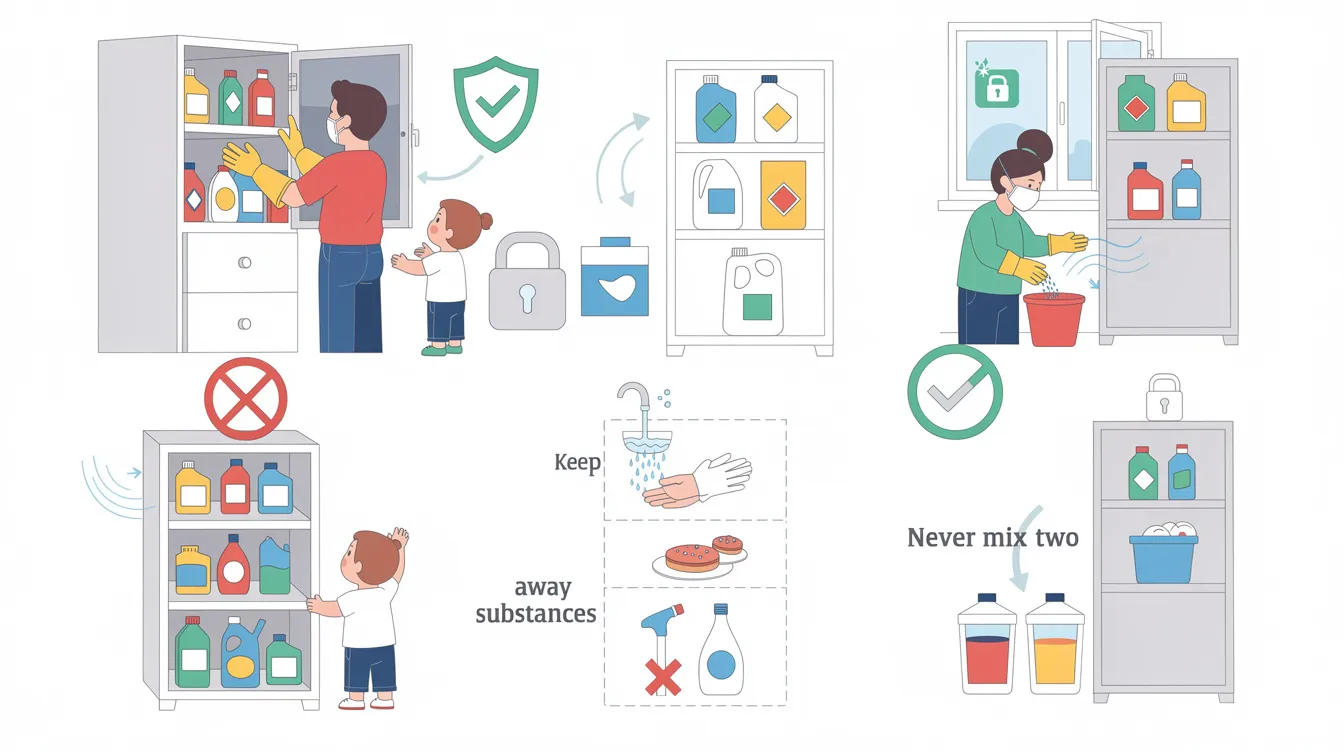
Understanding chemical hazards in household products ensures safe handling and storage. Even household cleaning products labeled as ‘green’ or ‘natural’ can contain harmful chemicals. Read labels carefully to understand ingredients and associated risks. Potentially poisonous substances also include certain plants, mushrooms, and berries, which should be kept out of children’s reach.
Household cleaners, disinfectants, and other chemicals should be stored securely and properly labeled to prevent accidental exposure. Adopting safe handling practices mitigates the risks these substances pose to health and safety.
Secondary Containment for Hazardous Chemicals
Secondary containment systems are crucial for preventing chemical leaks and spills, protecting health and the environment. Containment systems are required to prevent spills, in line with Spill Prevention, Control, and Countermeasure regulations.
Ensure secondary containment meets the following criteria:
- It can hold the entire volume of the largest container on site.
- It has additional requirements for precipitation.
- Common collection areas can be used for multiple containers, eliminating the need for separate containment for each one.
Implementing these systems ensures accidental spills are contained, minimizing environmental impact and health risks, while also setting a minimum standard for safety.
Teaching Children About Chemical Safety
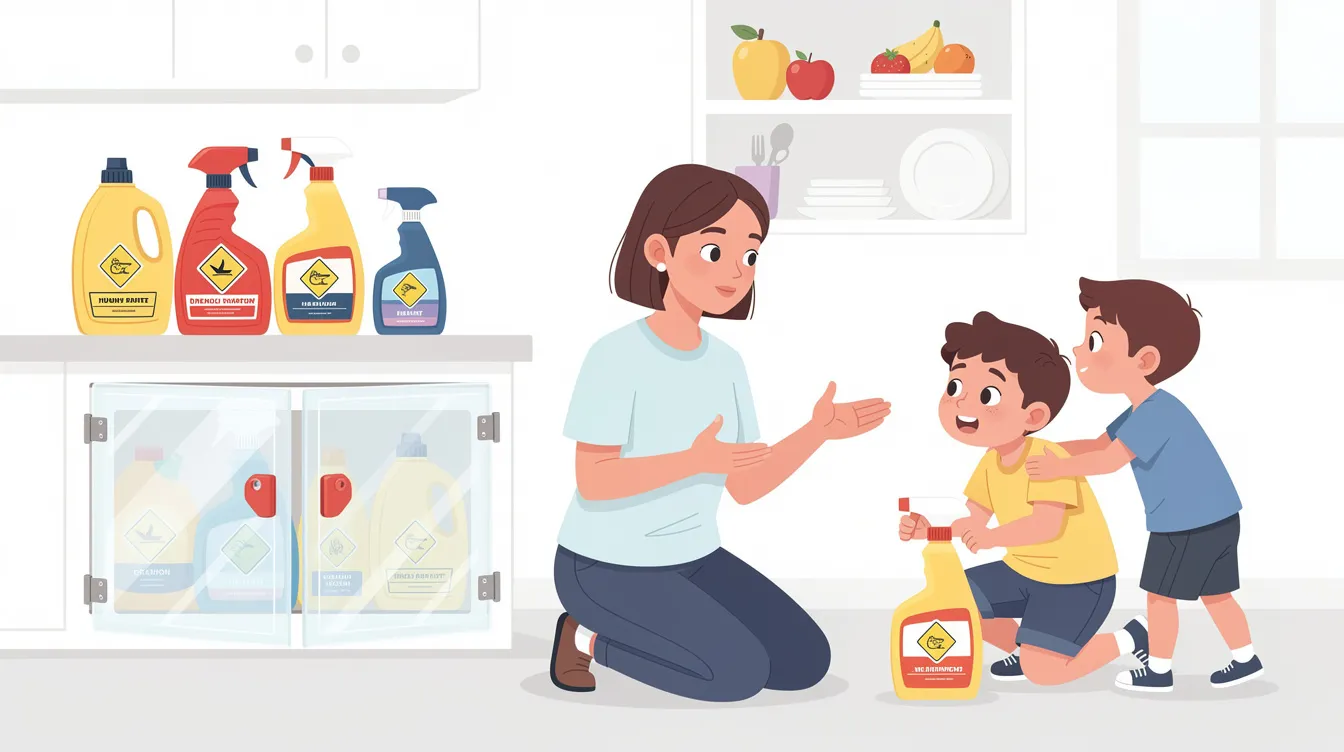
Teach children about the dangers of household chemicals for their safety. Encourage children to consult an adult before any chemistry-related activities. They should wear safety goggles and protective gear during experiments to prevent accidents. Safety procedures taught in school science laboratories can also be applied at home to reinforce safe chemical handling.
Children should follow these safety measures during chemistry activities:
- Avoid eating or drinking to prevent mishaps.
- Wash their hands thoroughly afterward.
- Secure loose clothing.
- Tie back long hair to help prevent accidents.
By teaching these safety precautions, you can ensure that children understand the importance of handling chemicals responsibly. There are many resources available to help parents and teachers educate children about chemical safety.
Proper Labeling and Documentation
Properly labeling household chemicals prevents accidents and aids emergency responses. To ensure proper labeling:
- Clearly label chemical containers to indicate their contents.
- Preserve labels on all incoming chemical containers as mandated by the Occupational Safety and Health Administration (OSHA).
- Do not alter the labels on incoming chemical containers.
To ensure ongoing safety when dealing with chemical labels and product label:
- Reattach or replace detached or illegible chemical labels immediately.
- Maintain proper documentation to help quickly identify chemicals during emergencies.
- Facilitate prompt and appropriate responses by ensuring accurate labeling and records.
Emergency Preparedness and Response
An emergency plan is vital for dealing with chemical exposures. Include poison control contact information in the plan for quick access during an emergency. In case of chemical exposure, follow medical professionals’ instructions rather than first aid advice on product containers.
Emergency facilities should be readily accessible to address accidental exposures to corrosive chemicals, including the emergency room. Having the original container of the ingested substance can assist professionals in providing appropriate care.
Being prepared allows you to effectively manage chemical emergencies, ensuring everyone’s safety and making them aware.
Summary
In summary, safe storage of household chemicals involves proper segregation, appropriate storage practices, secure handling of potentially poisonous substances, and emergency preparedness. By following these guidelines, you can create a safer environment for you and your family. Remember, a little precaution can go a long way in preventing accidents and ensuring health and safety.
Frequently Asked Questions
Why is it important to segregate household chemicals?
It is crucial to segregate household chemicals to prevent dangerous reactions that can lead to fires or the release of toxic gases. Proper segregation ensures safer storage and minimizes health risks.
What are the best practices for storing flammable liquids?
To ensure safety, store flammable liquids in approved containers away from ignition sources, and conduct regular inspections for leaks or spills. This practice minimizes the risk of accidents and enhances safety in your environment.
How should corrosive substances be stored?
To ensure safety, store corrosive substances in polyethylene or steel cabinets with corrosion-resistant coatings, and keep them separated from incompatible chemicals. This will help mitigate risks and maintain a safe work environment.
What steps should be taken to secure prescription medications?
To secure prescription medications, store them out of children’s reach in their original containers, and lock away controlled substances in a cabinet. Taking these precautions helps ensure safety and prevents misuse.
How can secondary containment systems help in chemical storage?
Secondary containment systems effectively prevent spills by providing a capacity that accommodates the largest container and additional space, thereby safeguarding environmental and health standards. This proactive measure is essential in chemical storage to minimize risks associated with leaks and spills.