Knowing where to place your carbon monoxide detectors can save lives. Proper carbon monoxide detector placement involves installing them near bedrooms, on each level of your home, and by attached garages. This guide will show you exactly how to position your detectors for maximum safety.
Key Takeaways
- Carbon monoxide detectors should be installed on every level of the home, near sleeping areas, and close to attached garages for optimal safety.
- Proper placement guidelines must be followed to avoid false alarms and ensure effective detection; detectors should be located at least 15 feet from fuel-burning appliances and away from areas with dead air spaces.
- Regular maintenance, including monthly testing and annual battery replacement, is essential to ensure carbon monoxide detectors function correctly and provide timely alerts.
Key Locations for Installing Carbon Monoxide Detectors
Carbon monoxide detector placement – key takeaways
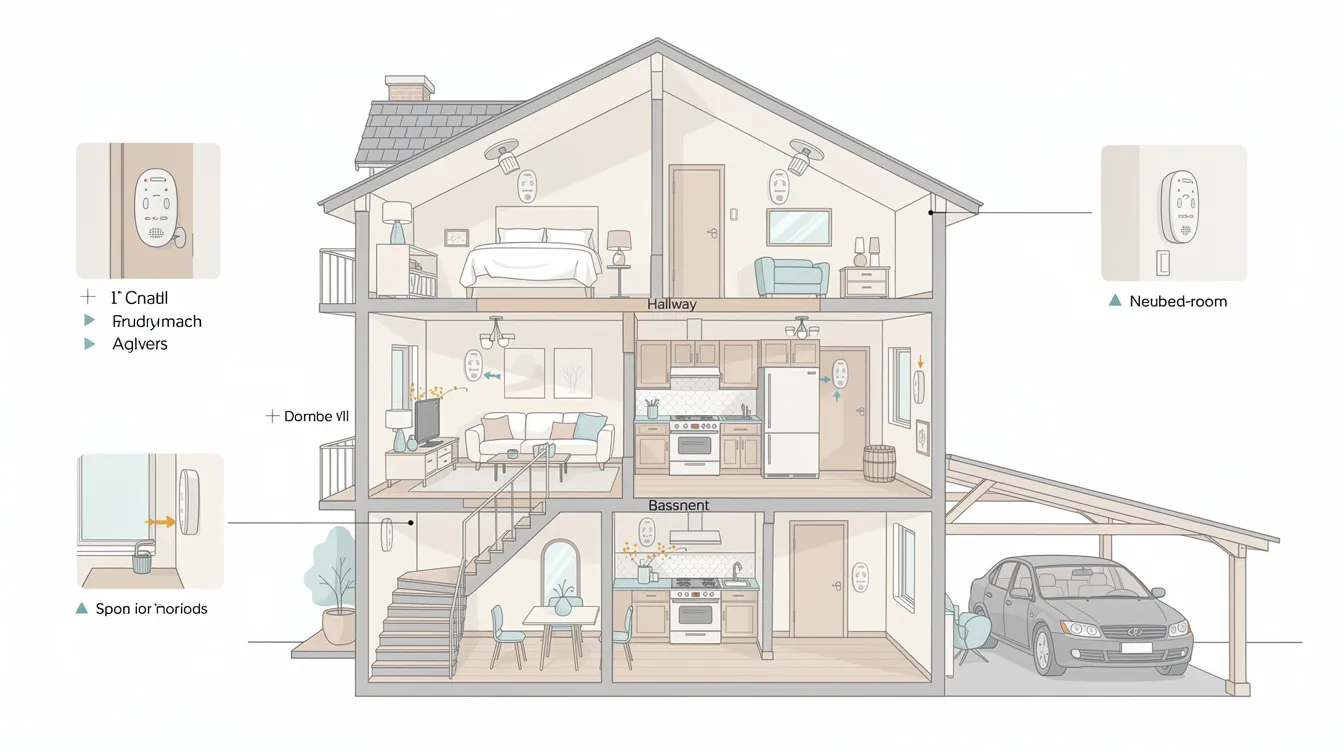
Installing carbon monoxide detectors is vital for protecting against this silent but deadly gas. These devices serve as your home’s early warning system. For optimal safety, place detectors on every level of your home, near sleeping areas, and close to attached garages.
Strategic placement ensures comprehensive protection. Detectors should be located where they can effectively monitor air quality and alert you to carbon monoxide, ideally in central spots to detect CO from multiple sources.
Key areas requiring carbon monoxide detectors include near sleeping areas, on each home level, and close to attached garages.
Near Sleeping Areas
Place carbon monoxide detectors near sleeping areas to ensure nighttime safety. A detector installed outside the main bedroom can effectively wake occupants if CO levels rise. Positioning detectors close to bedrooms ensures the alarm is loud enough to wake everyone, allowing critical time to respond.
Given the multiple potential sources of carbon monoxide, placing detectors in several rooms is essential to cover all emission points, ensuring timely alerts regardless of the gas’s origin.
Each Level of the Home
In multi-story homes, having a carbon monoxide detector on every level is crucial for comprehensive coverage, ensuring prompt detection regardless of where CO is generated, be it in the basement or attic.
Installing detectors on each floor maximizes early detection chances and ensures all areas of your home are monitored. For optimal performance, detectors should be mounted at a recommended height, such as five feet above ground or at knee height, to ensure accurate detection.
Attached Garages
Place detectors near attached garages to monitor vehicle emissions that could infiltrate the home. Vehicles are a common carbon monoxide source, and proper monitoring prevents the gas from seeping into living areas. Additionally, vehicles that burn fuel can contribute to these emissions.
Placing detectors near the garage helps catch emissions before they pose a health risk.
Room-Specific Placement Guidelines
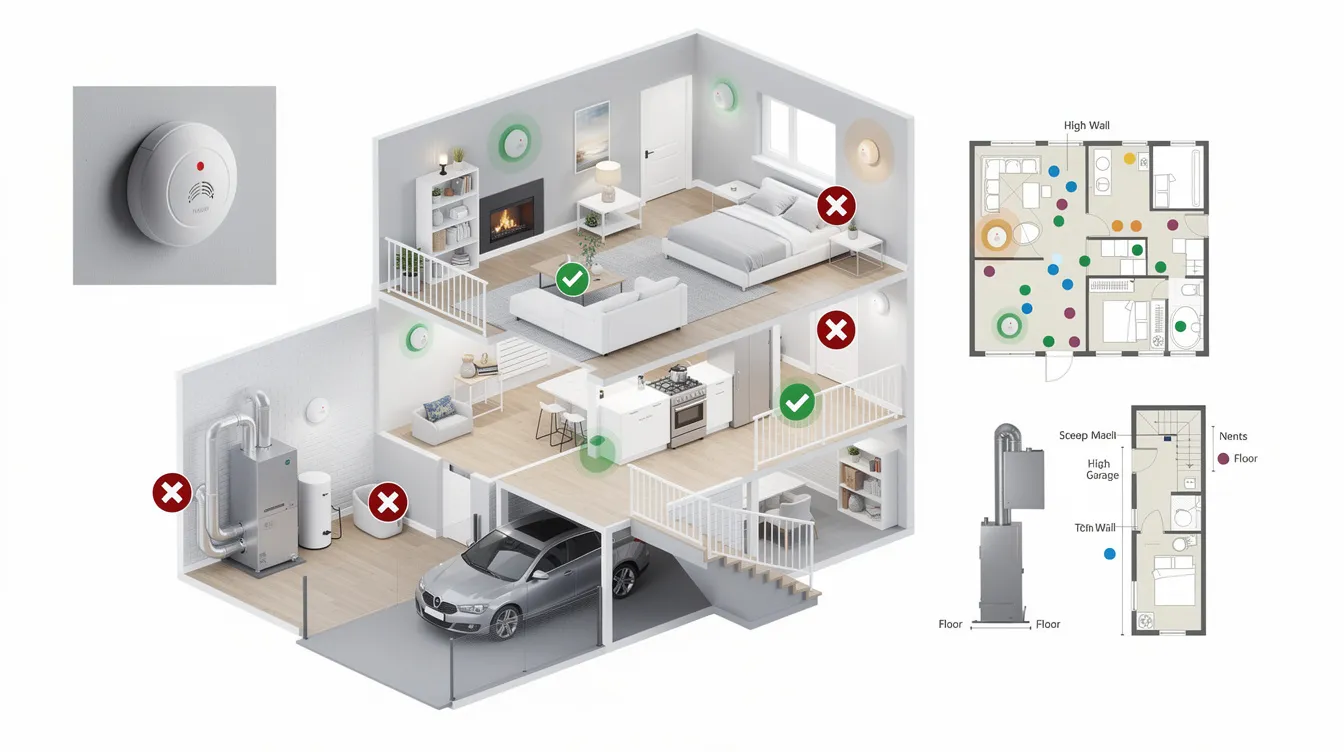
Consider the layout of each room for effective carbon monoxide detector placement. Detectors should be 15 to 20 feet away from fuel-burning appliances to avoid false alarms and ensure they can detect dangerous CO levels. Ensure proper airflow around detectors by avoiding placement near furniture or appliances that restrict airflow. Detectors should be installed in locations free from obstructions such as curtains, furniture, or other objects that could block airflow and hinder detection.
Follow specific placement recommendations for each room to ensure optimal detection. Here is detailed advice on where to install carbon monoxide detectors in various rooms:
- Living room
- Kitchen
- Hallways
- Bedrooms
- Basements
Living Room
Carbon monoxide detection is crucial in living rooms due to potential combustion sources like fireplaces. When installing CO detectors:
- Place them on walls or ceilings.
- Ideally, install them near the main heat source.
- Ensure they are at least 15 feet from combustion sources to avoid false alarms.
Carbon monoxide is slightly lighter than air, but this small difference does not significantly impact where detectors should be mounted.
Following these placement guidelines ensures optimal carbon monoxide detection in living rooms, helping catch emissions from a fireplace or other combustion sources, and providing a minimum of peace of mind and safety, as recommended by Underwriters Laboratories.
Kitchen
Proper placement of CO detectors in kitchens ensures early detection and minimizes false alarms. Install detectors at least 15 feet from fuel-burning appliances and 5 to 10 feet from gas ranges or stove to avoid false readings from cooking fumes.
Avoid placing a co detector in areas exposed to direct sunlight or high humidity, as these conditions impair functionality and lifespan. Maintaining proper distances and avoiding such environmental factors ensures reliable detection in your kitchen.
Hallways
Placing CO detectors in hallways helps monitor multiple rooms, serving as central locations for alarm coverage. Hallways connecting multiple rooms are ideal spots for CO alarms, allowing effective monitoring of air quality in adjacent rooms.
Position detecting devices centrally in hallways to maximize coverage for adjoining rooms. CO alarms in these locations serve as a central alert server system, ensuring timely warnings for residents in multiple rooms.
Bedrooms
Install CO detectors in bedrooms to ensure the wall alarm can wake sleeping occupants. Mount detectors within 10 feet of bedroom doors to ensure alarms are close enough to wake occupants during an emergency.
Proper placement in bedrooms ensures the CO alarm is within earshot, allowing immediate access if CO levels rise during the night.
Basements
Combination smoke and carbon monoxide alarms are recommended in basements to address risks from both smoke and CO exposure. Basements often house fuel-burning equipment and appliances, making them potential hotspots for these hazards.
Using combination alarms in basements enhances safety by providing:
- Dual protection against fire and CO hazards.
- Comprehensive monitoring when installed near fuel-burning equipment.
- Timely alerts in case of an emergency.
Avoiding Improper Placement
Carbon monoxide detector placement – room-specific placement guidelines
Proper placement of carbon monoxide detectors ensures timely detection and protection against this invisible threat. In living areas, position detectors away from corners and walls to avoid dead air spaces, which can hinder CO detection. Also, place detectors at least 15 feet away from fuel-burning appliances to avoid false alarms.
Additionally, avoid placing combination smoke and CO alarms in areas with high humidity or direct sunlight, as these conditions can impair functionality. Following these recommendations ensures your CO detectors remain effective and reliable.
Dead Air Spaces
Dead air spaces are areas with little or no air circulation, affecting gas detection like carbon monoxide. Installing CO detectors in these spaces can prevent effective detection since stagnant air may not carry CO to the sensor, leading to undetected buildup and increased poisoning risk.
To avoid dead air spaces, place carbon monoxide detectors in areas with good air circulation, enhancing their monitoring effectiveness.
Direct Sunlight and Humid Areas
Direct sunlight can impair carbon monoxide detectors’ functionality, posing safety risks. Position detectors away from large windows to avoid sensor compromise. High humidity can also damage internal components, causing failure.
Properly position carbon monoxide detectors away from direct sunlight and humidity to ensure reliability and functionality. Placing detectors in suitable locations maintains effectiveness and ensures accurate alerts.
Near Windows and Vents
Keep carbon monoxide detectors away from windows and vents to avoid drafts that dilute CO concentration. Installing detectors near windows and vents can result in inaccurate readings due to outside air interference.
Positioning carbon monoxide detectors near windows and vents exposes them to drafts that dilute CO levels, causing delayed alerts. To prevent interference and ensure accurate detection, keep detectors away from these locations.
Understanding Carbon Monoxide and Its Dangers
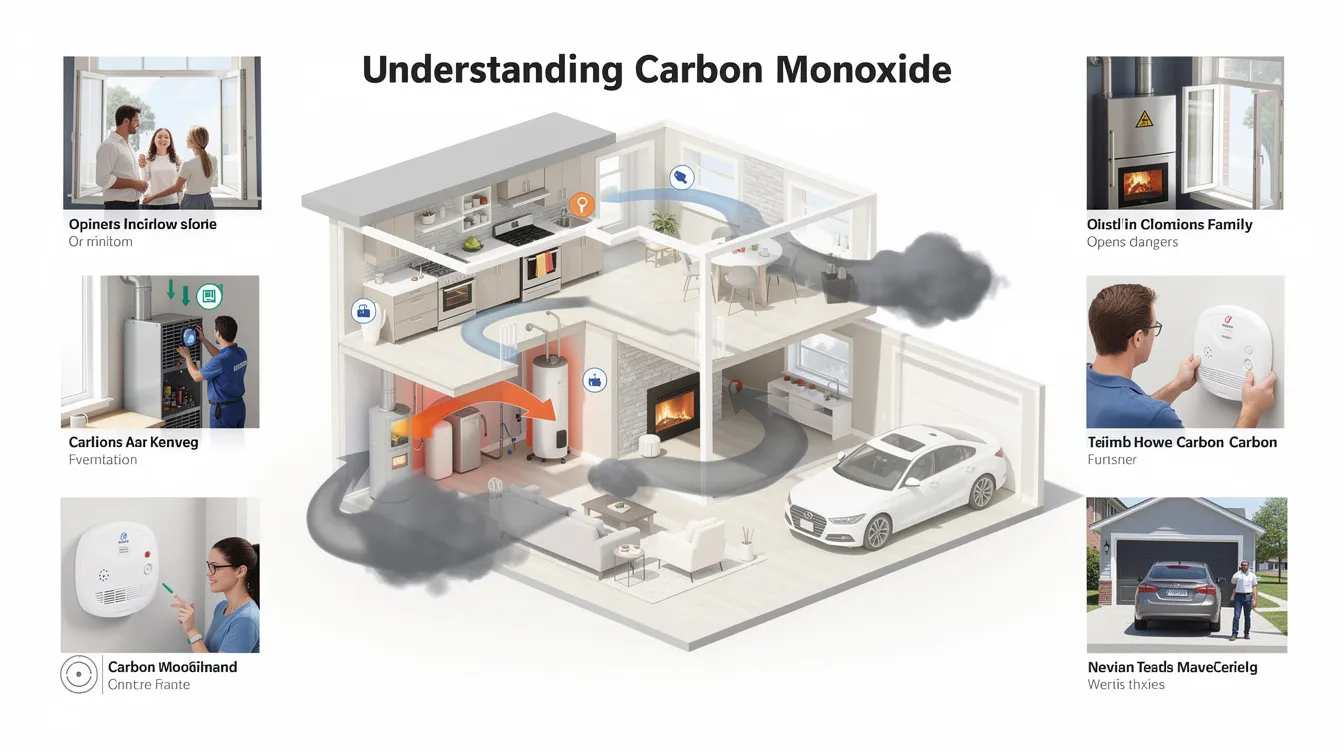
Carbon monoxide is a colorless, odorless gas posing significant health risks. Potential sources in the home include heating and cooking equipment, vehicles, and generators. The gas is extremely harmful to people and animals, causing unconsciousness or death before symptoms are recognized. Carbon monoxide co is particularly dangerous due to its lack of odor.
Understanding carbon monoxide’s dangers is crucial for protecting your family. Effective detection and safety measures are important for disease control and help reduce accidental fatalities from carbon monoxide poisoning. Knowing CO sources and exposure symptoms helps you take steps to prevent poisoning and ensure home safety.
Invisible Killer
Carbon monoxide, an odorless and colorless gas, poses significant health risks, earning it the nickname “invisible killer.” High levels can cause fatalities by depriving vital organs of oxygen, reaching dangerous levels.
Undetectable by human senses, carbon monoxide can build up without warning, making it extremely dangerous. The only way to protect against this threat is through carbon monoxide detectors, which provide early alerts and prevent serious health consequences.
Symptoms of CO Poisoning
Common symptoms of carbon monoxide poisoning include:
- Shortness of breath
- Nausea
- Dizziness
- Light-headedness
- Headaches
Infants and individuals with chronic health conditions are at higher risk, and symptoms can often be confused with flu, food poisoning, and other illnesses.
Carbon monoxide poisoning can occur from exposure to small amounts over a long period or large amounts over a short period. Early detection of symptoms is crucial to prevent severe health consequences. Recognizing CO poisoning signs and having detectors in place can save lives.
Maintenance and Care for Carbon Monoxide Detectors
Carbon monoxide detector placement – understanding carbon monoxide and its dangers
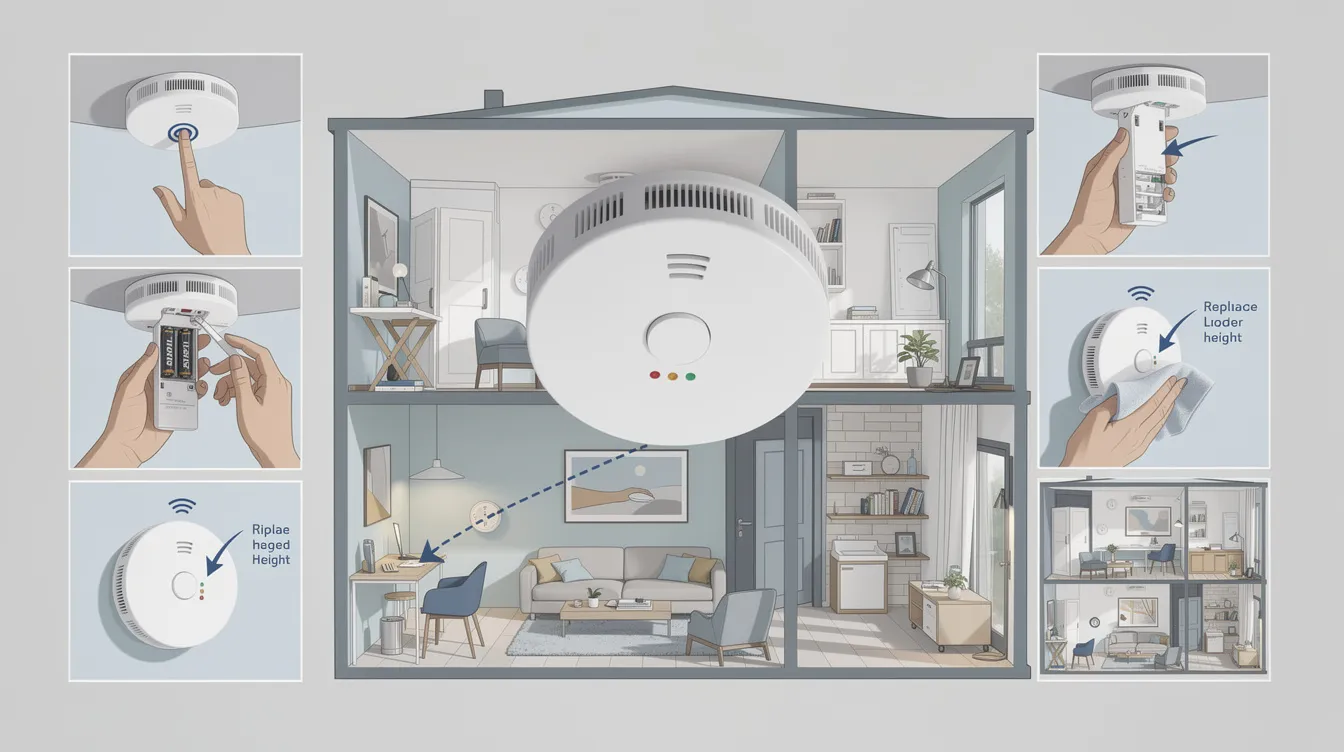
Regular maintenance ensures carbon monoxide detectors function effectively and provide timely alerts. Test detectors monthly to ensure they are working correctly.
Proper maintenance includes cleaning detectors and replacing batteries annually, ensuring CO detectors remain reliable and ready to alert you in an emergency.
Regular Testing
Regular testing of carbon monoxide detectors is crucial to ensure they function correctly during emergencies. Test detectors monthly to maintain operational readiness and verify alarms are in proper working order.
Cleaning and Battery Replacement
Regular cleaning of CO detectors removes dust and debris that may affect performance. Wipe units with a dry cloth to ensure sensors remain unobstructed, significantly enhancing detector reliability and helping them stay clean.
Check and change batteries in carbon monoxide detectors annually to maintain efficiency, ensuring detectors are always powered and ready to alert you in case of a carbon monoxide leak.
Following Manufacturer’s Instructions
Adhering to the manufacturer’s guidelines for carbon monoxide alarm installation and maintenance is crucial for ensuring effective functionality. These instructions optimize detector performance and longevity.
Proper installation according to the manufacturer’s instructions ensures detectors are positioned correctly for accurate alerts. Following these safety tips enhances safety and ensures compliance with safety standards.
Benefits of Combination Smoke & CO Alarms
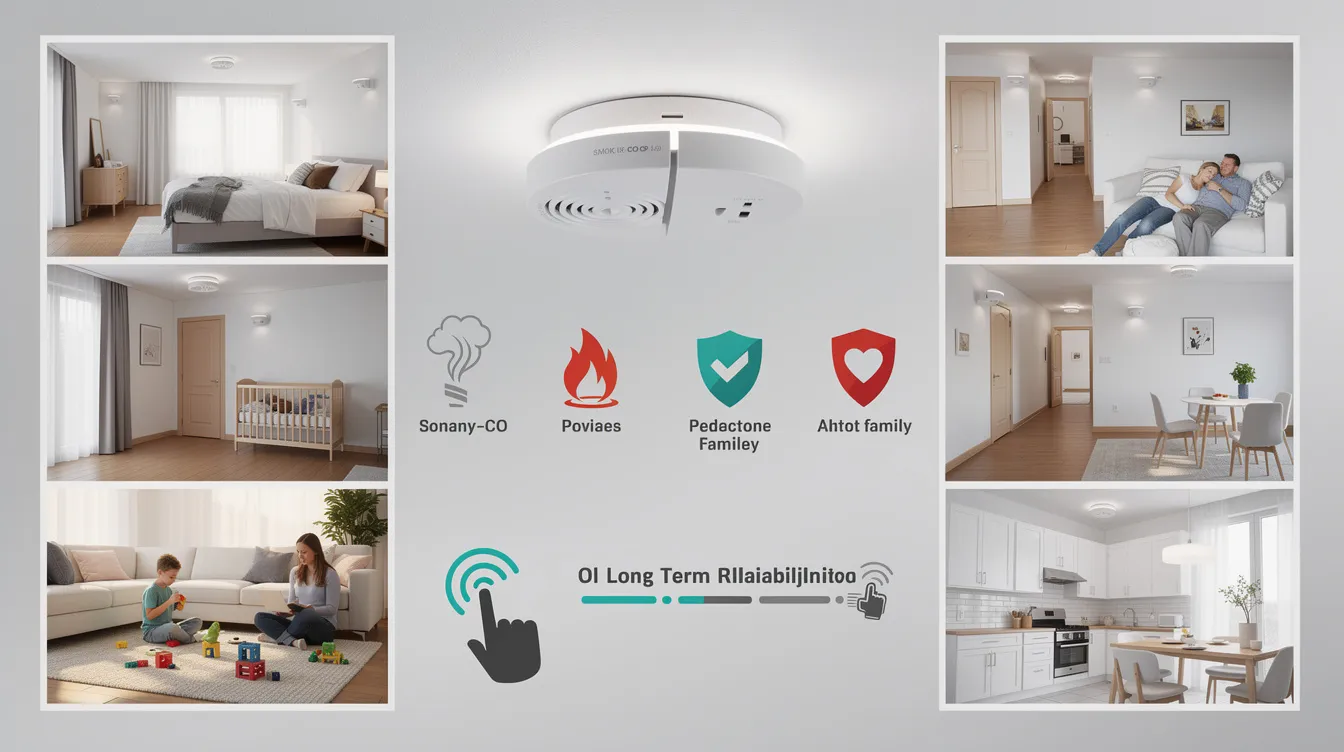
Combination smoke and carbon monoxide alarms provide comprehensive safety monitoring in homes, alerting residents to both fire and CO dangers. By integrating the detection of smoke and carbon monoxide, these alarms ensure that occupants are alerted to multiple threats in a timely manner. Common effects of CO exposure include headaches, weakness, and confusion, which can be mitigated through timely alerts.
Utilizing combination alarms significantly enhances home safety by offering dual protection against two serious hazards. These devices simplify installation and maintenance by combining two critical safety functions into one unit.
Dual Detection Technologies
Combination alarms integrate smoke and carbon monoxide detection to provide comprehensive safety coverage in homes. It is essential to install both CO alarms and smoke detectors to protect against the different hazards posed by each. CO alarms detect carbon monoxide, while smoke alarms are designed to detect smoke from fires; each operates to address separate hazards.
Having dual detection technologies in one appliance ensures that your home is safeguarded against both fire and carbon monoxide, offering peace of mind and enhanced protection for your family.
Installation Recommendations
It’s advisable to install combination alarms on every level of the home and inside each bedroom for optimal safety. This ensures comprehensive coverage and timely alerts in case of an emergency.
Additionally, placing combination alarms near sleeping areas enhances protection during the night, providing an effective safety net for your family. Following these placement recommendations ensures that your home is well-protected against both smoke and carbon monoxide hazards.
Summary
Ensuring the proper placement of carbon monoxide detectors throughout your home is a critical step in protecting your family from this invisible, odorless threat. By strategically placing detectors near sleeping areas, on each level of the home, and close to potential CO sources such as attached garages and fuel-burning appliances, you maximize their effectiveness.
Regular maintenance, including monthly testing and annual battery replacement, ensures that these life-saving devices function correctly. Additionally, combination smoke and CO alarms offer dual protection, enhancing home safety. By following these guidelines, you can create a safer environment for your family, reducing the risk of carbon monoxide poisoning.
Community education and outreach programs are also essential for raising awareness about carbon monoxide safety and prevention, helping to protect more households through shared knowledge and resources.
Frequently Asked Questions
Where should I place carbon monoxide detectors in my home?
Carbon monoxide detectors should be strategically placed near sleeping areas, on every level of your home, and close to attached garages to ensure optimal safety. Proper placement is crucial for effective monitoring of carbon monoxide levels.
How often should I test my carbon monoxide detectors?
Carbon monoxide detectors require monthly testing to ensure their proper functioning. Regular maintenance is crucial for safety in case of a carbon monoxide incident.
What are the symptoms of carbon monoxide poisoning?
The symptoms of carbon monoxide poisoning include shortness of breath, nausea, dizziness, light-headedness, and headaches. It is crucial to seek immediate medical attention if these symptoms occur, as they can escalate rapidly.
Can I place carbon monoxide detectors near windows or vents?
It is advisable to avoid placing carbon monoxide detectors near windows and vents, as drafts may dilute CO levels and lead to inaccurate readings. Positioning them in a stable environment ensures reliable detection.
Why should I consider combination smoke and carbon monoxide alarms?
Considering combination smoke and carbon monoxide alarms is essential as they offer dual protection, enhancing safety by detecting both fire and CO hazards while simplifying installation and maintenance. These devices ensure comprehensive monitoring, providing peace of mind for your home.