Want to start a neighborhood watch program? This guide will show you how to gauge community interest, organize your first meeting, and get support from local law enforcement. By following these steps, you can boost neighborhood safety and unity.
Key Takeaways
- Assess community interest and engage neighbors to build a foundation for a successful Neighborhood Watch program.
- Involve local law enforcement to gain support, resources, and credibility, enhancing the program’s effectiveness.
- Regular evaluation and community engagement are crucial for maintaining the program’s sustainability and effectiveness in promoting safety.
Getting Started with Your Neighborhood Watch Program
Start a neighborhood watch program – key takeaways

Starting a Neighborhood Watch program helps foster community bonds and enhance safety. Begin by assessing community interest, organizing the first meeting, and involving local law enforcement officers. Each step ensures the program’s success and sustainability.
Drawing from the historical context of the National Neighborhood Watch, which began in 1972, it’s clear that these programs have a rich legacy of reducing crime and fostering community engagement. Government departments, such as the U.S. Department of Justice, provide support and resources to help neighborhood watch programs succeed. With practical steps and a collaborative approach, you can create a neighborhood watch group that not only reduces crime but also builds a stronger, more connected community.
Assessing Community Interest
Assess community interest before forming a neighborhood watch group. Engage in informal discussions with neighbors and community leaders to gauge their willingness to participate. These conversations offer valuable insights into the community’s concerned priorities.
To encourage community involvement:
- Conduct surveys to determine interest and identify potential volunteers.
- Highlight the benefits of enhanced safety.
- Emphasize community cohesion.
- Promote proactive crime prevention to motivate more residents to join.
Organizing the First Meeting
To organize the first place meeting:
- Gauge interest.
- Set clear goals and establish participation ground rules to ensure success and focus. Note that choosing an accessible location, such as a community center, local school, or a neighbor’s home, will serve to encourage attendance and decide how to develop the best time to rise.
Create a welcoming environment during the initial meeting to encourage sharing of concerns and ideas. Clearly outline the program’s purpose and objectives, fostering open dialogue. This first gathering sets a foundation for a collaborative community effort.
Involving Local Law Enforcement Officers
Invite local law enforcement officers to your meetings to gain their support and expertise. They can offer valuable resources, including training materials and expert speakers. Their involvement lends credibility and provides insights into effective crime prevention strategies and influence. For further information, please contact us.
Ongoing communication with local law enforcement enhances collaboration and keeps the community informed about safety practices. Regularly inviting them to meetings and events ensures alignment with broader community safety goals.
Building a Strong Foundation
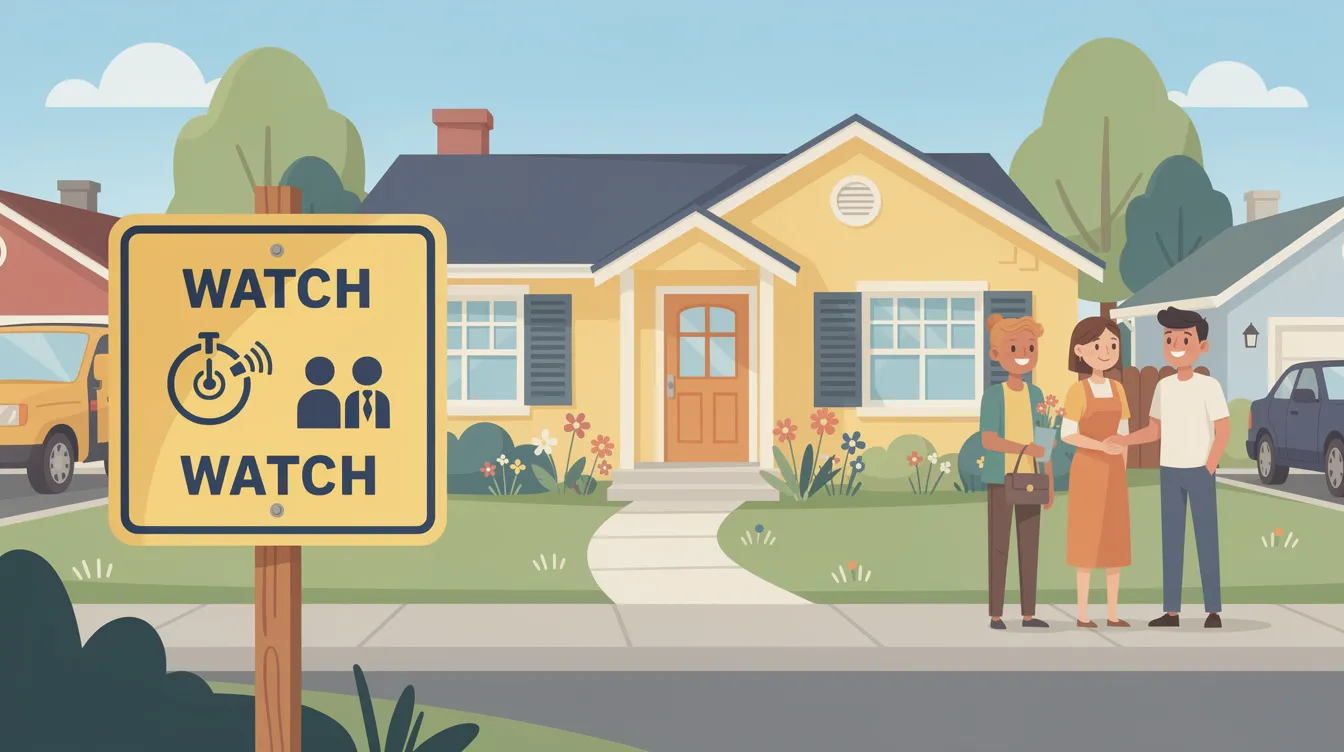
A strong foundation is essential for a successful Neighborhood Watch program. Key components include:
- Effective planning and organization to address local safety concerns and foster community involvement.
- Collaboration with law enforcement to provide strategic support and resources.
- Community engagement to ensure active participation and a shared commitment to safety.
Without clearly defined roles, achievable goals, and focused planning, a Neighborhood Watch program is at risk of failure. Structure and accountability are crucial to prevent unsuccessful outcomes and ensure long-term success.
Organize activities and events that promote safety and cohesion, such as community clean-ups or social gatherings for kids, to strengthen neighborhood bonds and foster a sense of belonging. A well-structured health plan, supported by active community involvement, paves the way for a successful and sustainable program.
Creating a Steering Committee
Establish a steering committee to direct community efforts and ensure the neighborhood watch program remains active and organized. Include community leaders and dedicated volunteers committed to the program’s success. Regular meetings allow the group to strategize, assign responsibilities, and address emerging issues.
The steering committee is the backbone of the neighborhood watch, providing leadership and direction for the council. Consistent communication and collaboration enable effective program management and ensure all members are engaged and informed.
Developing a Mission Statement
A well-defined mission statement clarifies the group’s purpose and motivates members to work towards common safety goals. Crafting a mission statement involves identifying core objectives, such as reducing crime, enhancing community cohesion, and fostering a sense of security among residents.
Including diverse community members in the steering committee enhances leadership and provides a range of perspectives. This ensures the mission statement reflects the community’s interests and concerns, inspiring greater participation and unity.
Setting Up Communication Channels
Effective communication is vital for the success of a neighborhood watch program. Establish various communication methods to enhance coordination among members, such as:
- Phone trees
- Email lists
- Social media groups Utilizing multiple platforms ensures information reaches all participants, keeping everyone informed and engaged.
Regularly scheduled meetings play a crucial role in fostering communication and engagement. These meetings allow members to share updates, discuss concerns, and plan future activities. Open and consistent communication channels help build a cohesive and responsive neighborhood watch group.
Training and Resources
Start a neighborhood watch program – building a strong foundation
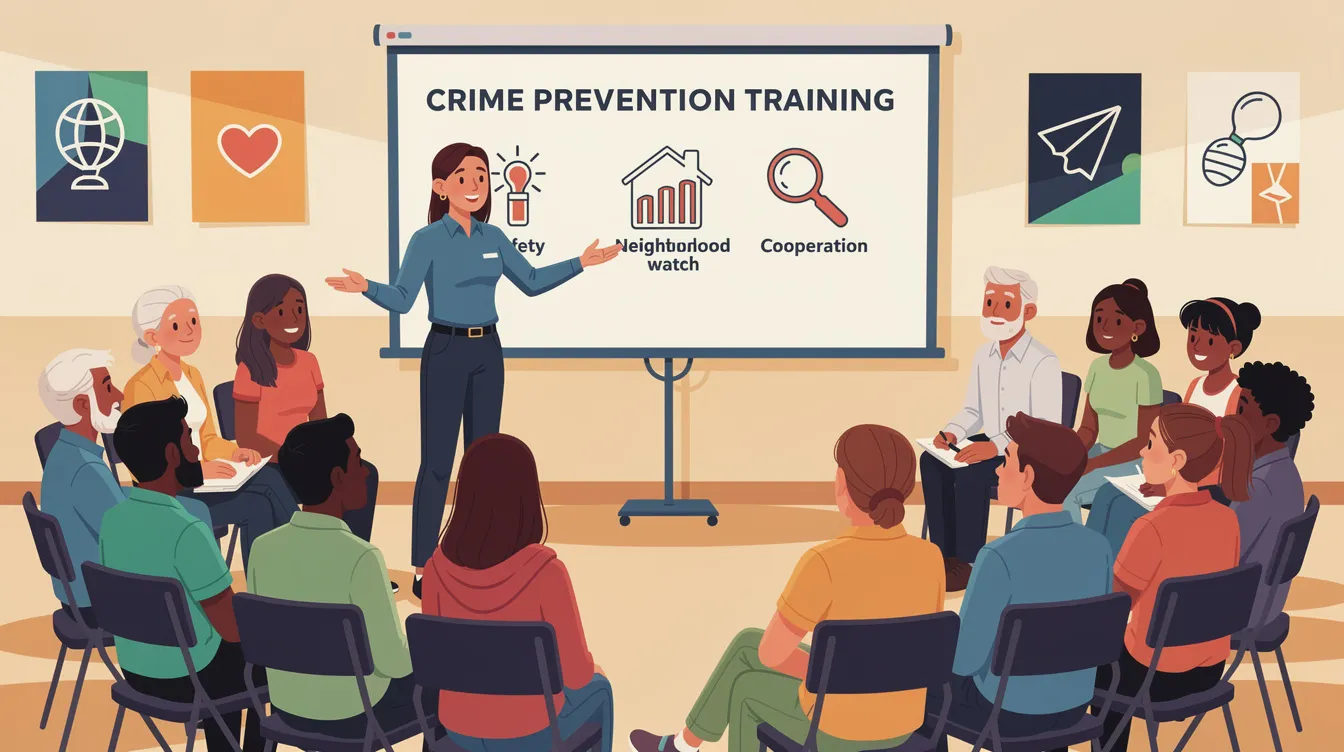
Training and resources are fundamental to the effectiveness of a neighborhood watch program. Specialized training for members enhances their skills in crime prevention and community engagement. The National Neighborhood Watch offers training modules focused on these areas, including strategies for preventing and responding to violence in the community, accessible online.
Local law enforcement agencies and community organizations provide valuable resources and support for families. Leveraging these resources helps neighborhood watch groups stay informed about best practices and new strategies for maintaining safety and cohesion.
Training Sessions for Members
Organizing training sessions for members builds a knowledgeable and effective team. These sessions can cover crime prevention techniques, observation skills, and emergency response protocols for any person involved. Training enhances members’ ability to act effectively and respond appropriately to various situations, ensuring justice is upheld.
Local authorities play a significant role in these training efforts. A designated law enforcement liaison can provide essential support, offering technical assistance and resources. Inviting local law enforcement to training sessions ensures the program aligns with broader safety initiatives and benefits from expert guidance.
Utilizing Available Resources
Utilizing available resources is crucial for the sustainability and success of neighborhood watch programs. Engaging local police provides valuable insights and resources. Law enforcement agencies and community organizations offer essential support, including training materials, expert speakers, and crime prevention strategies.
Collaboration with these entities enhances the program’s effectiveness. By leveraging their resources and expertise, you can address local safety concerns more effectively and create a safer, more cohesive community.
Accessing Technical Assistance
Accessing technical assistance from local authorities and community leaders is vital for the program’s success. Inviting local law enforcement to the initial meeting ensures their support and cooperation. Their involved participation provides technical assistance, resources, and expert guidance to help the program thrive.
Ongoing communication with local authorities ensures your neighborhood watch group remains aligned with broader community safety goals. This collaboration enhances the program’s sustainability and impact, providing a solid foundation for long-term success.
Implementing Neighborhood Watch Activities

Implementing neighborhood watch activities brings planning and training efforts to life. Collaboration between citizens and law enforcement enhances community safety. Diverse activities, such as crime prevention information distribution and neighborhood patrols, can engage members and address local safety concerns. Patrols should focus on specific streets or areas where crime is more likely to occur, targeting these hot spots to maximize effectiveness.
Community clean-up initiatives and installing security cameras significantly enhance safety by reducing disorder and deterring crime in the city. After installing security cameras, share car security tips with neighbors to help prevent auto theft and protect vehicles from criminals. Combined with regular communication and collaboration, these activities ensure the neighborhood watch program remains active and effective in promoting a safe and cohesive community, showing clear signs of improvement with additional lights.
Regular Meetings and Patrols
Regular meetings and patrols are essential components of an effective neighborhood watch program. These activities foster communication and cooperation among members, ensuring everyone is aligned on safety efforts. Recurring patrols maintain visibility and deter potential criminal activity, making the neighborhood safer for all residents.
Maintaining a consistent schedule of meetings and patrols ensures the neighborhood watch group remains active and engaged. These regular activities provide opportunities for members to share updates, discuss concerns, and plan future initiatives, fostering a sense of community and shared responsibility for safety.
Crime Prevention Strategies
Implementing effective crime prevention strategies is crucial for the success of a neighborhood watch program. Physical improvements, such as better lighting and property marking, deter criminal activity and enhance neighborhood safety. Community engagement is vital, as neighbors working together to maintain clean and orderly surroundings can significantly reduce crime.
Monitoring and reporting suspicious activities are key components of crime prevention. In addition, tracking and reporting incidents of violent crime is essential, as it enables the group to analyze patterns, identify hotspots, and implement targeted strategies aimed at reducing violent crime in the neighborhood. Encouraging residents to stay vigilant and report unusual behavior helps create a safer environment. Implementing these strategies allows the neighborhood watch group to effectively address local safety concerns and promote a secure community.
Community Events and Initiatives
Organizing community events fosters relationships and promotes safety awareness. These events enhance the effectiveness of neighborhood watch programs by bolstering involvement and sustaining interest. Hosting social gatherings, safety workshops, and community clean-ups engages residents and creates a sense of belonging.
Regularly organizing community events maintains high levels of engagement and encourages ongoing participation in the neighborhood watch program. These initiatives provide opportunities for residents to connect, share information, and collaborate on safety efforts, strengthening the overall sense of community.
Evaluating and Sustaining Your Program
Start a neighborhood watch program – implementing neighborhood watch activities

Evaluating and sustaining your neighborhood watch program is essential for its long-term success. Systematic reviews of crime statistics can reveal significant reductions in crime rates, highlighting the program’s effectiveness. Ongoing evaluation helps identify strengths and areas needing improvement, ensuring the program remains responsive to community needs. It is important to evaluate these factors regularly.
Regular assessments and data collection on community engagement levels are crucial for tracking progress. Continuous evaluation allows for necessary adjustments and maintains program effectiveness. This commitment to regular evaluation contributes to the overall longevity and success of the neighborhood watch program.
Monitoring Progress
Monitoring the progress of your neighborhood watch program ensures its effectiveness and sustainability. Regular assessments help identify areas needing improvement and track overall effectiveness. Collecting feedback from community members provides insights into the program’s impact and areas for enhancement.
Feedback from residents is invaluable in identifying strengths and weaknesses. Regularly reviewing this research feedback allows for informed adjustments, ensuring the program continues to meet community needs and remains effective in promoting safety.
Encouraging Participation
Maintaining high levels of community engagement is vital for the success of a neighborhood watch program. Regular meetings keep safety discussions active and foster accountability among members. Effective communication ensures everyone is informed and motivated to participate.
Recognition and incentives significantly boost resident involvement. Hosting recognition events or offering community rewards enhances participation and creates a positive reinforcement cycle. Employing these strategies keeps residents motivated and engaged in the neighborhood watch program.
Securing Funding and Support
Securing funding and support is vital for the sustainability and effectiveness of neighborhood watch programs. Local businesses and stakeholders can be approached for sponsorships or donations to help support neighborhood watch activities and initiatives. These partnerships can provide essential resources and financial support, making it possible to implement various safety projects and community events.
Building partnerships with local businesses not only provides financial assistance but also enhances community relations. Many businesses are willing to sponsor neighborhood watch initiatives as part of their corporate social responsibility services efforts. By leveraging these partnerships, you can ensure the program’s sustainability and expand its impact on community safety.
Summary
In summary, starting a Neighborhood Watch program involves several key steps, from assessing community interest and organizing the first meeting to involving local law enforcement and building a strong foundation. By following these steps and utilizing available training and resources, you can implement effective activities and maintain high levels of engagement within your community.
A successful Neighborhood Watch program not only enhances safety but also fosters a sense of community and cohesion among residents. By continuously evaluating and adjusting the program, securing funding, and encouraging participation, you can ensure its longevity and effectiveness. Let this guide inspire you to take action and contribute to a safer, more connected neighborhood.
Frequently Asked Questions
How do I gauge if my neighbors are interested in starting a neighborhood watch group?
To gauge your neighbors’ interest in starting a neighborhood watch group, initiate informal discussions and consider conducting surveys to assess their opinions. Emphasizing the benefits of improved safety and community cohesion can further encourage participation.
What should be covered in the first neighborhood watch meeting?
The first neighborhood watch meeting should cover clear goals, establish ground rules for participation, and select an accessible location to foster attendance and open dialogue. Creating a welcoming environment is essential for effective communication and engagement among members.
How can local law enforcement officers support our neighborhood watch program?
Local law enforcement can significantly enhance your neighborhood watch program by offering resources, training materials, and expert advice. Establishing ongoing communication with them fosters collaboration and keeps the community updated on safety practices.
What are some effective crime prevention strategies for a neighborhood watch program?
Effective crime prevention strategies for a neighborhood watch program include implementing physical improvements such as enhanced lighting and property marking, fostering community engagement to maintain clean surroundings, and encouraging residents to monitor and report suspicious activities. These measures collectively strengthen community vigilance and safety.
How can we secure funding and support for our neighborhood watch program?
To secure funding and support for your neighborhood watch program, consider approaching local businesses and stakeholders for sponsorships or donations. Building these partnerships can provide essential resources and enhance the program’s sustainability.