Need to know how to anchor a safe to floor? This guide covers choosing the location, preparing the floor, and securing the safe. Follow these steps to ensure your safe is secure.
Key Takeaways
- Anchoring a safe to the floor enhances security by preventing theft and accidents, ensuring stability and protecting valuables.
- Choosing the right location and preparing the installation surface are critical steps for effective safe installation and security.
- Using appropriate tools and correctly securing the safe with anchor bolts is essential for a successful, stable installation that maximizes protection.
Why Anchoring Your Safe is Essential

How to anchor a safe to floor – key takeaways
Anchoring your safe to the ground floor offers several significant benefits. It greatly enhances security by making it nearly impossible for thieves to carry the safe away. A floor safe bolted securely becomes a formidable challenge for any would-be burglars. Without this step, even the heaviest safe can be lifted and transported given enough time and effort.
Securing a safe bolted to the floor is important because:
- It prevents the safe from being tipped over.
- Thieves often attempt to tip safes to gain leverage and access the safe door more easily.
- Anchoring keeps the safe upright and stable, reducing the risk of forced entry.
- This stability also prevents accidental tipping, which could damage your home and harm anyone nearby.
Finally, an unanchored safe can be a hazard due to its weight. If it were to fall, it could cause considerable damage to your walls, floor, and other home fixtures. Securing your safe not only protects your valuables but also ensures household safety. It is crucial to safely install and anchor your safe to prevent injury or mishaps during the process.
Choosing the Best Location for Your Safe
Choosing the right location for your safe is equally important as anchoring it. The ideal spot should be hidden from thieves but remain easily accessible for you. Avoid placing your safe in obvious areas like the master bedroom, as these are often the first places burglars check. Instead, consider locations that are discreet yet accessible, such as a coat closet or home office.
Low-traffic areas reduce the likelihood of the safe catching someone’s eye. Consider the following when installing your safe:
- Install your safe in a closet or basement for effectiveness.
- Basements offer strong flooring for securing a safe but watch out for moisture, which may require a dehumidifier.
- Avoid placing your safe in the garage due to exposure to temperature extremes and a higher risk of theft.
Consider the following when installing the safe:
- Concrete floors provide a more stable anchoring point compared to wood floors.
- Raised wood floors may require special forms to secure the safe properly. When installing on wood floors, especially on upper levels, anchoring the safe directly into floor joists provides additional support and security.
- Leveling the safe during installation is crucial to prevent instability. The safe should sit flush against the floor and wall to ensure stability and a professional appearance.
Preparing the Installation Surface
How to anchor a safe to floor – choosing the best location for your safe
Prepare the surface where the safe will be anchored before starting the installation process:
- Concrete floors are generally the best option as they provide a stable anchoring point.
- Wood floors can also be used if they are properly reinforced.
- Use a stud finder to locate solid beams or concrete beneath the surface to anchor the safe securely.
Different types of flooring require specific preparations:
- For concrete floors, ensure the surface is clean and free of debris.
- For wood floors, it might be necessary to use additional forms or supports to ensure the safe remains stable.
- Avoid installing the safe in areas with only drywall, as these lack the necessary support.
Level the safe before bolting it down. An uneven installation can lead to instability and potential safety hazards. Use a level to check that the safe is perfectly balanced on all sides before you proceed with the installation.
Gathering Necessary Tools
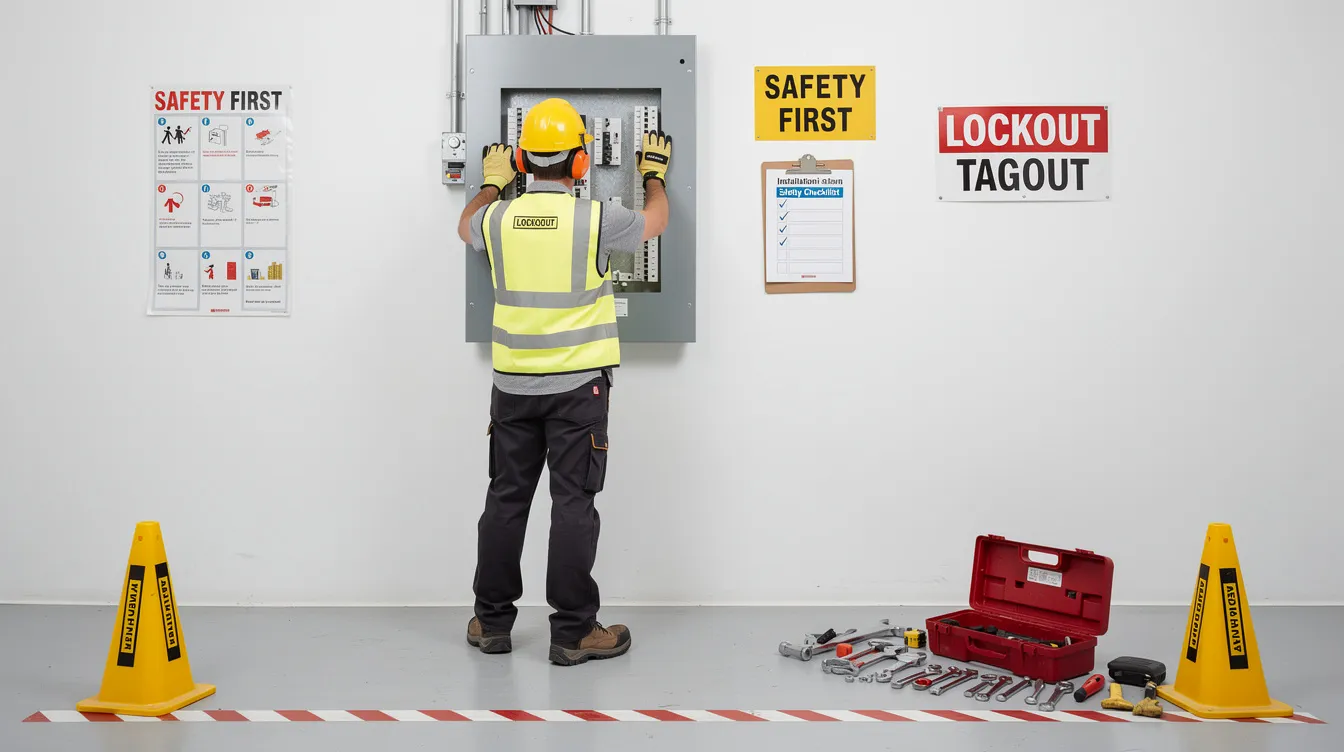
The right tools are essential for a successful safe installation:
- A power drill creates the necessary holes for anchor bolts.
- Anchor bolts are necessary to securely attach the safe to the floor and prevent any movement.
- A level ensures that the safe is installed straight and properly aligned, which is vital for both security and functionality.
Use the following tools during the installation process:
- Pencil: to mark the precise locations for drilling holes.
- Wrench: for tightening the nuts onto the anchor bolts after they have been inserted.
- Screwdriver: for driving any screws and securing components.
Properly using these tools ensures a secure and stable installation in your house, protecting your valuable possessions from forced entry and allowing you to pry open potential vulnerabilities. Additionally, a security service can enhance your overall protection through security verification.
Having all these tools at your disposal allows you to proceed confidently and efficiently with the installation.
Marking and Drilling Pilot Holes
How to anchor a safe to floor – gathering necessary tools
After gathering the necessary tools, mark and drill the pilot holes. Start by marking the location of the pre-drilled holes of the safe onto the floor using a pencil. You will use these markings to create precise bolt holes for anchoring the safe securely.
After marking the locations, note that many safes come with pre-drilled anchor holes in the base, which should be used as guides for marking and drilling. Align the safe’s pre-drilled holes with these markings to ensure accurate drilling. Use a hammer drill equipped with a masonry or wood bit appropriate for your flooring material. For concrete floors, a masonry bit is necessary, while a wood bit is suitable for wooden floors. Drill the pilot holes where the markings are made, ensuring they are deep enough to accommodate the anchor bolts.
This step is crucial for achieving a precise and secure installation. Accurate marking and drilling ensure perfect fitment of anchor bolts, providing necessary stability.
Securing the Safe with Anchor Bolts
After drilling the pilot holes, secure the safe with anchor bolts. Begin by cleaning any dust or debris from the drilled holes using a vacuum. This ensures a proper fit for the bolts. For concrete floors, drill holes with a 3/8-inch concrete drill bit and use hammer-driven anchor bolts. For wooden floors, use a ¼-inch drill bit and tighten the bolts with a 9/16-inch socket set.
Insert the anchor bolt into the drilled holes, using washers to distribute the pressure evenly and secure the screw safe firmly. Always place a washer between the bolt head and the safe’s base to ensure even pressure and a secure, stable installation. This helps prevent any movement and enhances the overall stability of the installation.
For added security, consider anchoring the heavy safe to a heavy steel slab, which makes it even more difficult for determined thieves to lift, move, or tamper with when it is securely bolted.
Following these steps carefully ensures your safe is securely anchored and immobile, providing maximum protection for your valuables.
Testing the Installation
Test the installation after securing the safe with anchor bolts to ensure everything functions correctly. Start by testing the safe door to ensure it operates smoothly and can be opened easily. This includes checking that the door closes securely and locks properly.
Start by listing some forbidden forms of the keyword “verification successful” according to the rule 5. Next, test the locking mechanisms. Engage and disengage the locks multiple times to confirm that they function without any obstruction. This step verifies that the safe’s security features are operational and reliable while performing security verification; verification successful.
Finally, test any emergency systems the safe may have, such as digital locks or backup access points. Ensure these systems activate correctly and provide an alternative access method in case of power failures. These tests guarantee a successful installation and readiness to protect your valuables.
Additional Security Tips
Additional measures can further enhance your safe’s security. Concealing the safe with furniture, rugs, or artwork can help keep it out of sight from potential thieves. This makes it less likely the safe will be discovered during a break-in.
Store override keys in a separate, secure location. This ensures access in emergencies without compromising security. This ensures that you can still access the safe in case of an emergency, without compromising its security. Additionally, installing the safe in low-traffic areas reduces its visibility and minimizes the chance of it being targeted.
Consider the following methods to enhance the security of your safe:
- Use security cables to provide an extra layer of protection by anchoring the safe to a fixed structure.
- Use high-strength adhesive to mount the safe securely without drilling.
- Perform regular checks of the safe’s installation and operation to identify potential issues before they compromise security.
Following these tips significantly enhances the safety and security of your safe.
Popular Easy-Install Safe Models
For easy installation, consider the Moderno Versatile Home Safe. This model features a compact design with pre-drilled holes for easy installation. It also includes an emergency battery box, providing added convenience and security.
Another excellent option is the Classico Minimal Medium Cabinet Safe, offering extra space and flexible mounting options. This safe offers extra space and flexible mounting options, making it suitable for various storage needs. Its removable shelves allow for customization, ensuring that you can store your valuables securely and conveniently.
The Mini Envelope Deposit Safe is ideal for limited spaces. It is designed to fit into small spaces and can be mounted under desks or inside cabinets for discreet security. These models provide easy installation and reliable security, making them perfect for home use.
DIY vs. Professional Installation
DIY safe installation can be rewarding and cost-effective. It allows you to customize the setup to your needs and preferences. Many safes have pre-drilled holes and detailed instructions, making it feasible to install without needing a contractor.
Watching demonstration videos before starting can provide valuable guidance for a secure and stable installation. They often cover common pitfalls and tips for ensuring the safe remains immobile and secure.
In some cases, professional assistance may be the best option. If you are unsure about the installation process or require specialized techniques, a professional can ensure that the safe is installed correctly and securely. Weighing the benefits of DIY versus professional installation helps you make an informed decision that suits your needs best.
Summary
Anchoring your safe to the floor is a critical step in ensuring the security of your valuable possessions. By choosing the best location, preparing the installation surface, and using the right tools, you can achieve a secure and stable installation. Marking and drilling pilot holes accurately, securing the safe with anchor bolts, and testing the installation are essential steps in the process.
Additional security measures, such as concealing the safe and storing override keys securely, further enhance the protection of your valuables. Popular easy-install safe models offer convenient and reliable security options for your home. Whether you choose to install the safe yourself or seek professional assistance, the key is to ensure that the safe is immobile and secure.
By following these guidelines, you can confidently protect your valuable possessions and enjoy peace of mind.
Frequently Asked Questions
Why is it important to anchor a safe to the floor?
Anchoring a safe to the floor is crucial as it increases security by preventing theft and ensures stability, thereby protecting your valuables from damage.
What are the best locations to place a safe in my home?
The best locations to place a safe in your home are low-traffic areas like coat closets or home offices, as these offer more privacy and security. Avoid conspicuous spots such as the master bedroom or garage to minimize the risk of theft.
What tools do I need to install a safe?
To install a safe securely, you will need a power drill, anchor bolts, a level, a pencil, a wrench, and a screwdriver. These tools are crucial for achieving a stable installation.
How do I test the installation of my safe?
To effectively test your safe installation, ensure the door operates smoothly, the locking mechanisms function properly, and any emergency systems activate correctly during power outages. This will confirm its reliability and security.
Should I install my safe myself or hire a professional?
If you are comfortable with DIY projects, installing your safe yourself can be cost-effective. However, if you have any doubts or the installation requires specialized techniques, hiring a professional is the recommended approach.