Firearm safety at home helps keep your family safe. Learn about safe storage, understanding laws, and teaching kids about guns to avoid accidents and misuse.
Key Takeaways
- Understanding firearm risks at home is crucial; unintentional shootings and suicides highlight the need for safety measures.
- Implement secure storage practices, such as using gun safes and complying with secure storage laws, to prevent unauthorized access to firearms.
- Educate children about gun safety and foster open conversations within the community to promote a culture of responsible gun ownership.
Understanding the Risks of Firearms at Home
Firearm safety at home – key takeaways
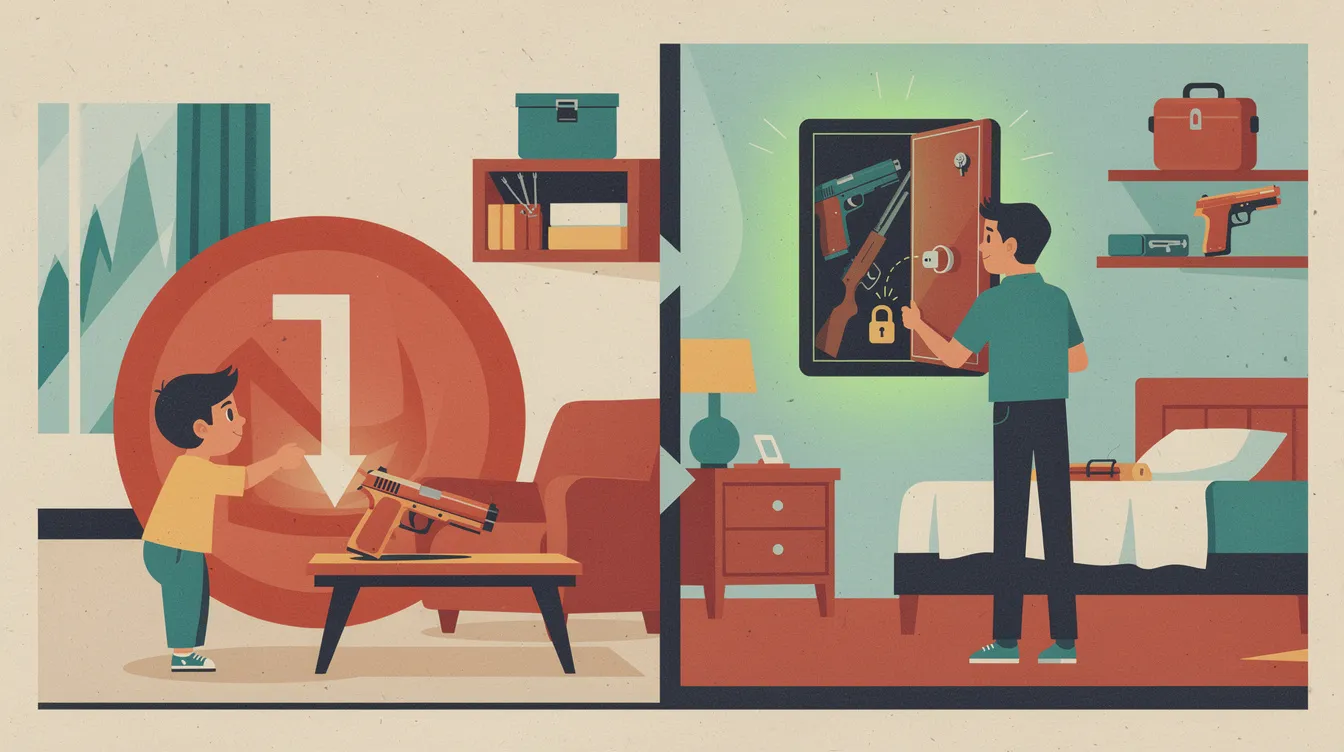
Having a firearm at home comes with significant risks. Unintentional shootings are a major concern, especially in households with children. Key points include:
- Around 3,500 unintentional shootings involving children aged 17 and younger happened from 2015 to 2024.
- This statistic highlights a significant concern regarding firearm safety among youth.
- Children are naturally curious and may not fully understand the dangers of handling a gun, leading to tragic accidents where they are unintentionally shot.
- Over 90% of unintentional shooting victims are other children or peers, placing younger children at severe risk.
- Many children live in homes with loaded guns, which significantly increases the risk of accidental injury or death.
Firearms in homes elevate the risk of suicides and contribute to rising suicide rates:
- Children in homes with firearms are four times more likely to commit suicide compared to those in gun-free homes.
- 90% of teens who committed suicide did so using guns they accessed at home or a relative’s home.
- A gun’s presence increases the chances that gun suicides will be fatal, making firearm suicide access particularly dangerous.
- There is an increased risk of suicide and homicide among children and teens in homes with firearms.
The broader implications of gun violence in homes cannot be ignored. Homes with firearms are associated with a higher likelihood of domestic violence incidents, contributing to risks for families and children. The risk of homicide in homes with guns is three times higher compared to homes without guns. Unlike fictional portrayals in media, real-life incidents can result in children being killed or severely injured by firearms.
These risks highlight the need for effective safety measures to protect families from the devastating consequences of gun violence and death, which is a leading cause of concern.
Best Practices for Safe Gun Storage
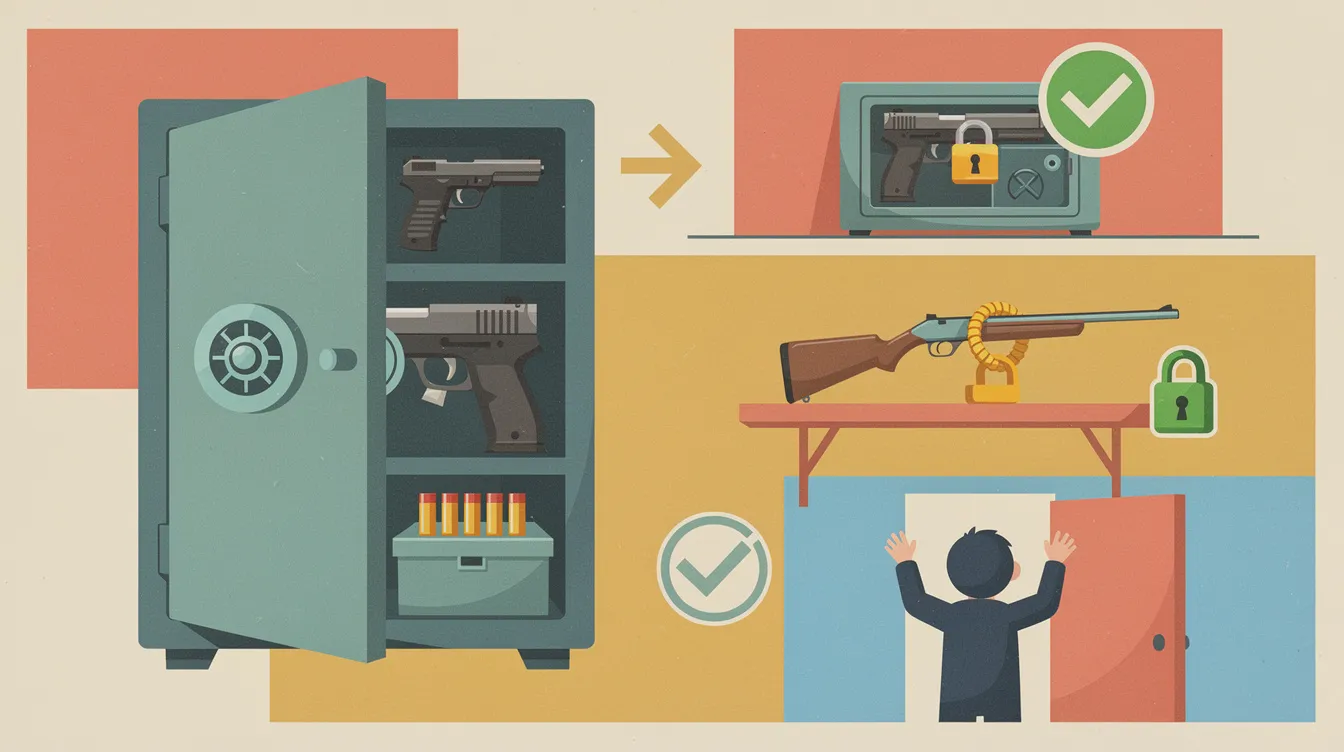
Safe gun storage is paramount to preventing accidents and unauthorized access. One of the most important practices is to always unload firearms when not actively in use. This simple step can significantly reduce the risk of unintentional shootings and ensure that guns are not accidentally discharged when stored loaded.
Beyond keeping guns unloaded, firearms should be stored in a locked and secure location. This could be a gun safe, lock box, or another secure storage device for firearm storage. Trigger locks are another effective safety measure; they fit over the trigger of a firearm to prevent it from being fired, providing an additional layer of protection against accidental shootings. Keeping ammunition stored separately from firearms further enhances safety to prevent any incidents involving an unsecured gun.
These best practices help prevent access to firearms, significantly reducing the risk of accidents and misuse. Multiple studies have shown that safe storage laws are effective in reducing gun-related injuries and deaths among children and teens.
Using Gun Safes and Lock Boxes
Gun safes and lock boxes are vital tools in preventing unauthorized access to firearms, particularly by children. These storage solutions come in various types, including biometric and combination locks, to enhance security and provide quick access for authorized users. Biometric gun safes, for example, allow access through fingerprint recognition, ensuring that only those with permission can access the firearm and other forms of storage.
Different types of gun safes and lock boxes offer varying levels of security. Some are designed to withstand tampering and fire, providing robust protection for firearms. By investing in a high-quality gun safe or lock box, gun owners can significantly reduce the risk of unauthorized access and ensure that their firearms are stored securely.
Using gun safes and lock boxes not only prevents accidents but also provides peace of mind, knowing that firearms are kept safe and secure. In homes with children, the importance of secure gun storage cannot be overstated, as it plays a crucial role in preventing potential tragedies.
Secure Storage Laws and Regulations
Many states have laws mandating secure storage of firearms to prevent unauthorized access, particularly by minors. These secure storage laws, including child access prevention laws, are designed to protect children and reduce the risk of unintentional shootings and firearm suicides. Compliance with these laws is essential for promoting firearm safety and preventing tragic accidents.
Secure storage laws often impose penalties on gun owners if a child gains access to an improperly stored firearm. Some states have strict regulations that can result in legal consequences for failing to securely store firearms. Storing firearms according to state laws protects children from potential firearm-related accidents and ensures legal compliance.
Complying with secure storage laws is about more than avoiding penalties; it’s about protecting children and ensuring their safety. By following these regulations and implementing safe storage practices, gun owners can play a vital role in preventing accidents and promoting a safer home environment where the law apply.
Teaching Kids About Gun Safety
Firearm safety at home – best practices for safe gun storage
Educating children about gun safety is a critical component of preventing accidents and promoting responsible behavior. Kids should learn age-appropriate gun safety as soon as they can understand simple instructions. Parents play a crucial role in discussing the impact of media portrayals of firearms and guiding children’s interpretation of such content to ensure that they are kids safe.
Media significantly influences children’s perceptions of firearms. Social media and other platforms expose children to firearm-related content, raising concerns about their understanding of gun safety. Parents can access resources to discuss gun safety with children, emphasizing the importance of communication even if there are no firearms at home.
Reinforcing safe handling habits and actions for children if they encounter a gun is essential. Using toy guns can help teach children about safe handling practices. It’s important to regularly revisit gun safety discussions as children grow and their understanding evolves. Ongoing conversations about gun safety ensure children remain informed and prepared to act safely around firearms.
Steps to Take if You Own a Gun
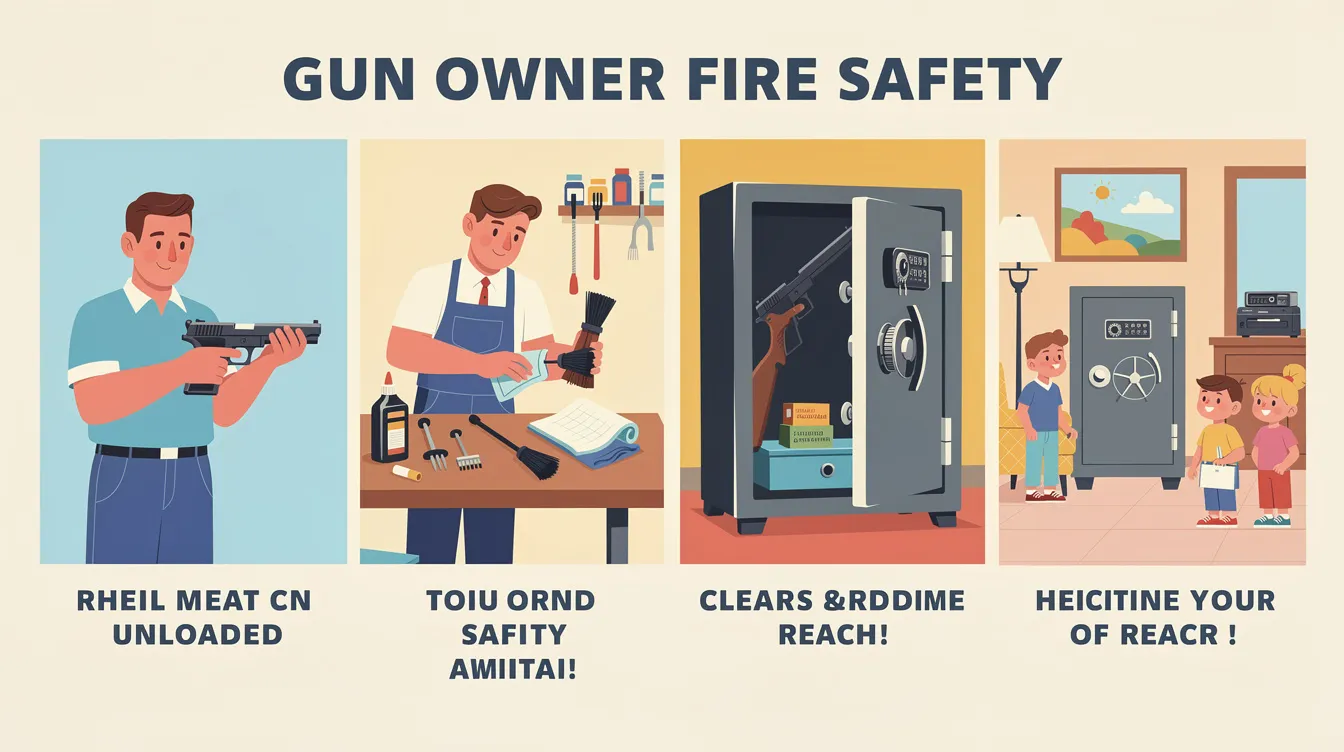
Gun owners have a responsibility to ensure that their firearms and handgun are stored and handled safely. Reading the firearm’s manual for proper handling and safety before use is a crucial first step. This ensures that gun owners are familiar with their firearm’s specific safety features and maintenance requirements.
Keeping the safety catch in place until ready to fire is another important practice for preventing accidental discharges. Additionally, always unloading a gun before setting it down can prevent unintentional shootings and ensure that the firearm is not accidentally discharged.
It’s also essential to:
- Keep loaded firearms secured and not leave them unattended.
- Avoid keeping loaded and unlocked guns in your car, as an unlocked gun increases the risk of accidental shootings or unauthorized access, especially by children or teens.
- Never have loaded and unlocked guns anywhere else on your property, since an unlocked gun can be easily accessed and lead to tragic accidents or misuse.
By following these steps, gun owners can significantly reduce the risk of accidents and ensure that their firearms pull stored and handled safely.
Addressing Gun Safety in Other Homes
Firearm safety at home – steps to take if you own a gun
Discussing gun safety with other families where your children might visit is crucial for ensuring similar safety standards are met. Open discussions about firearms can reduce the risk of accidents among children. Normalizing conversations about firearms, similar to discussions about children’s allergies, can promote a safer environment for all children.
Parents should proactively inquire about gun storage practices to ensure their children’s safety when visiting other homes. Discussing secure gun storage and encouraging responsible gun ownership among other parents helps create a network of safety, protecting children from potential firearm-related accidents and promoting child access prevention, all while being a good friend to those families. Additionally, understanding child access to firearms is an important question for overall safety.
The Role of Media in Shaping Perceptions
The media plays a significant role in shaping children’s perceptions of firearms and gun violence. Media portrayal can often glamorize or normalize the use of guns, which can influence how children view firearms. It’s essential for parents to guide their children in interpreting the gun violence they see in media and remind them of the real dangers associated with firearms.
Children need to understand that the gun violence they see in media is not real and can have serious consequences in real life. Research shows that open conversations and talk about the realities of gun violence help children realize a more accurate understanding of firearms and their risks.
Community Resources and Support
Community resources and support are invaluable for promoting firearm safety and responsible gun ownership. Project ChildSafe offers a comprehensive firearm safety program, providing free gun locks and educational materials to help promote responsible gun ownership. Local law enforcement agencies partner with Project ChildSafe to distribute safety kits and gun locks, enhancing community firearm safety.
The Hunt S.A.F.E initiative helps educate family members in New Hampshire about responsible gun ownership and safety practices. Toolkits are available for safety instructors and community groups to raise awareness about gun safety, making it easier for communities to access the information and resources they need to stay safe.
Summary
In summary, understanding the risks associated with firearms at home and implementing best practices for safe storage are crucial steps in protecting our families. Educating children about gun safety, addressing gun safety in other homes, and utilizing community resources can further enhance our efforts to create a safer environment. By taking these measures, we can significantly reduce the risk of firearm-related accidents and ensure that our homes remain safe for everyone.
Frequently Asked Questions
What are the risks associated with having firearms at home?
Having firearms at home significantly raises the risks of accidental shootings, suicides, and domestic violence, especially impacting vulnerable children and teens. Prioritizing safety is essential; consider secure storage or other preventative measures to protect your loved ones.
What are the best practices for storing firearms safely at home?
To safely store firearms at home, ensure they are unloaded and kept in a locked, secure location, with ammunition stored separately. Following these practices will significantly enhance safety for you and your loved ones!
How can I teach my children about gun safety?
Teach your children about gun safety by using age-appropriate lessons and discussing media influences on their perceptions. Regularly reinforce safe handling habits to ensure they understand the importance of safety at all times.
What steps should I take if I own a gun?
To ensure safe gun ownership, read the firearm’s manual thoroughly, keep the safety on until you’re ready to use it, always unload before setting it down, and never leave it loaded and unattended. Taking these steps will help you stay responsible and secure while enjoying your firearm.
How can I address gun safety when my child visits other homes?
It’s essential to have open discussions with other parents about their gun safety practices, ensuring they follow secure storage guidelines. This way, you can help create a safer environment for your child when visiting other homes.