Are you looking to improve your home security while fitting it seamlessly into your modern lifestyle? This lifestyle home security guide is here to help. Inside, you’ll find practical tips covering everything from basic entry-point security to advanced smart home technologies. Learn how to protect your home and loved ones efficiently and effectively.
Key Takeaways
- Effective home security starts with securing entry points like doors and windows, utilizing high-quality locks, and integrating visible deterrents such as security cameras.
- Advanced home security systems, including smart devices and motion sensor lights, enhance safety by offering monitoring capabilities and immediate alerts for unusual activity.
- Regular maintenance and supervision are vital for child safety and fire preparedness, including practicing escape plans and installing smoke detectors on every floor.
Home Security Basics
Lifestyle home security guide – key takeaways
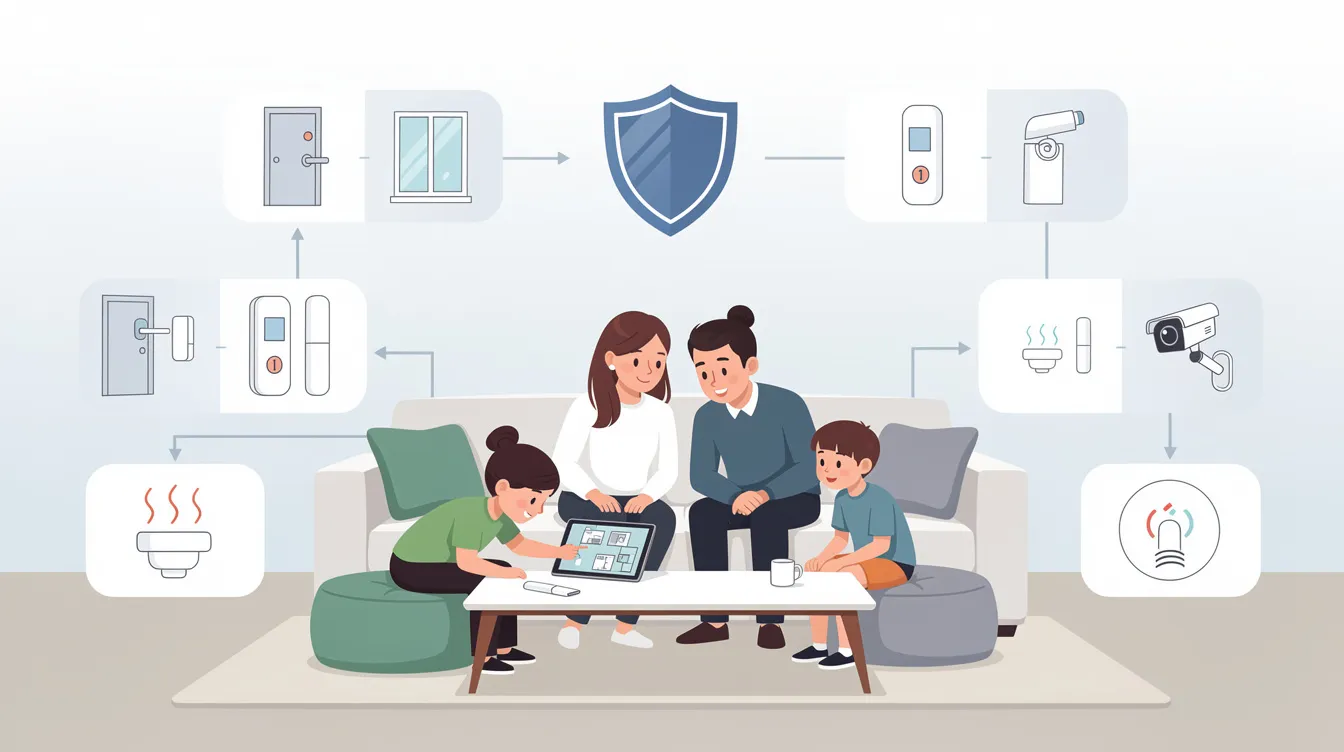
Effective home security begins with securing entry points like front door, doors and windows, the most common access points for intruders. Locking all doors and windows significantly reduces the risk of unauthorized entry. A comprehensive security plan should integrate these fundamental measures with additional layers of security to provide robust protection.
Visible deterrents like security cameras and alarm signs around your property can discourage potential intruders from attempting a break-in. These visible measures create an immediate psychological barrier, signaling to would-be burglars that your home is not an easy target. Combining physical barriers with electronic systems, such as alarms and smart locks, enhances your overall security.
Teaching children to lock doors and use alarm systems is another key step in maintaining home security. By involving every family member in the security plan, you create a vigilant and well-prepared household. Remember, a well-rounded security strategy not only protects your property but also ensures the safety and peace of mind of your loved ones.
Choosing security solutions that keep your family safe should be a top priority, as comprehensive home security and automation options are designed to protect every member of your household.
Securing Entry Doors
Entry doors are the first line of defense against intruders. High-quality locks are essential for preventing unauthorized access. Recommended locks for enhanced security include:
- Abloy Protec
- Medeco
- Mul-T-Lock
- BiLock These locks offer robust protection.
Double-cylinder locks are recommended for doors with glass panes to prevent thieves from unlocking them through the glass. Turn bolts also offer extra security for doors with large windows or pet doors.
Windows Locked and Secured
Intruders often see windows as secondary entry points during a home invasion by home invaders. Keeping windows locked is crucial to prevent unauthorized access and potential burglaries. Installing window guards adds an extra layer of protection, making it more difficult for burglars to enter, especially when burglars enter through windows.
Security film can also be applied to windows to delay a break-in by making the glass harder to shatter.
Garage Door Safety
Garage doors are another vulnerable entry point that requires attention. To secure garage doors and prevent unauthorized entries, consider the following measures:
- Use high-grade locks.
- Install wireless door contacts to notify homeowners of unauthorized access.
- Keep the garage door closed.
- Lock access doors.
- Use padlocks at night to further secure this entry point and gain entry.
Additionally, always lock up power tools and other valuable equipment in the garage to prevent theft, as these items are common targets during break-ins.
Consider installing a wireless alarm system in your garage in addition to physical locks. These systems can detect movement and alert you to any suspicious activity, providing an additional layer of security. Integrating these measures ensures comprehensive protection for your often-overlooked garage, a critical part of home security.
Advanced Home Security Systems
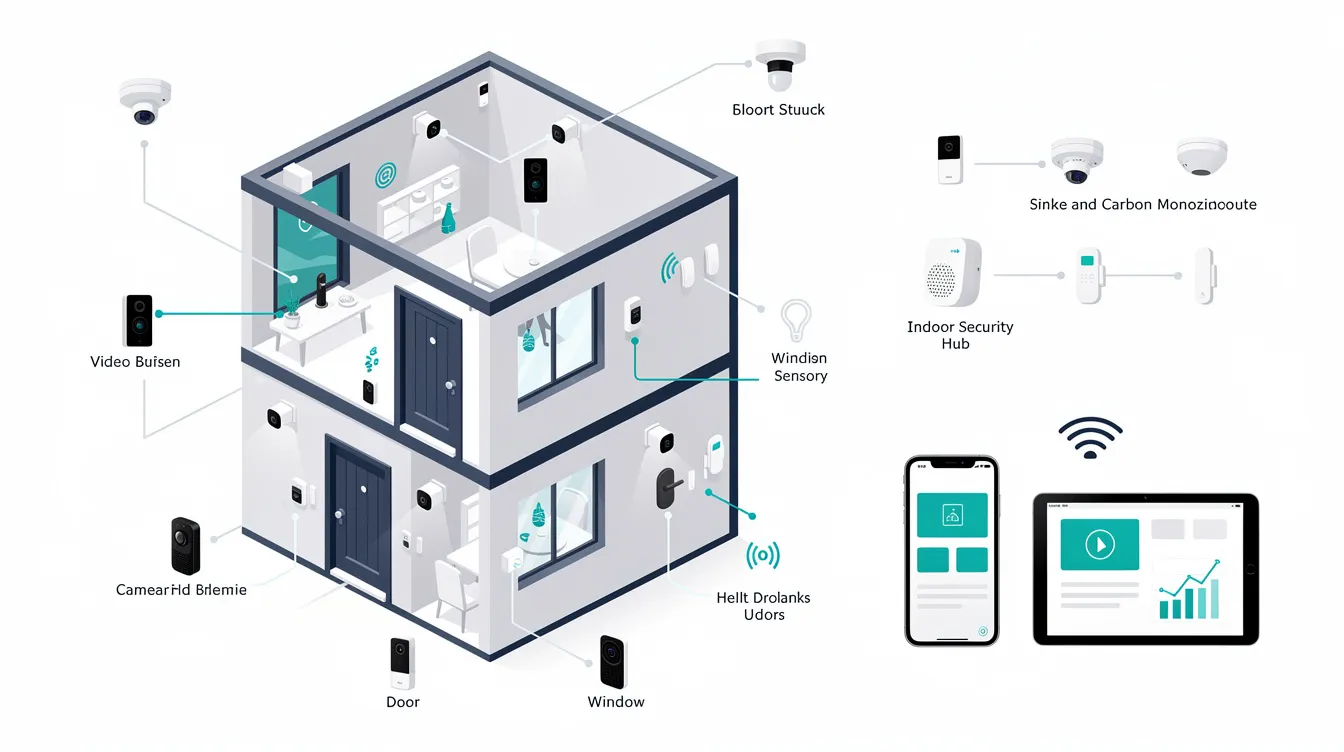
As technology evolves, so do the methods for protecting our homes. Advanced home security systems leverage the latest technology to provide enhanced safety and monitoring. Integrating security feeds with professional monitoring services can significantly enhance the protection of smart homes against cyber threats. Ensuring compatibility with existing smart home devices enhances functionality and convenience.
Motion sensor lights are a powerful deterrent for potential intruders. These lights illuminate dark areas unexpectedly, making it difficult for anyone to approach your home unnoticed. Additionally, evaluating warranties and return policies is crucial to understand the security system’s coverage and satisfaction guarantees.
Integrating these advanced measures creates a more secure and responsive home environment.
Alarm System Options
When it comes to alarm systems, you have the choice between DIY setups and professionally monitored solutions. DIY alarm systems offer flexibility in customization, allowing you to tailor security features to your specific needs.
On the other hand, professionally monitored alarm systems provide quicker emergency response times, which can be crucial during a break-in. Smart home systems can send real-time alerts about unusual activity, enhancing security in your absence.
Comparing these options reveals their strengths, helping you choose the best fit for your house.
Smart Devices and Automation
Smart devices are vital in modern home security. Smart locks provide keyless entry and allow you to monitor access, giving better control over your property’s entry points. Integrating smart devices allows for automated security features based on specific triggers, enhancing safety and peace of mind.
Devices like smart doorbells and video doorbell lights can be scheduled to operate while you’re away, allowing you to monitor your home remotely. The combination of smart locks and automated features leads to a more secure and convenient home environment.
Integrating Cameras
Security cameras are an invaluable tool for monitoring activity around your home. Their benefits include:
- Significantly increasing the likelihood of arrest and conviction in the event of a burglary
- Providing critical evidence to aid law enforcement in their investigations
- Helping identify suspicious activities through regular review of surveillance footage
In the event of a break-in, footage from security cameras can be shared with police to assist in investigations and increase the chances of recovering stolen property. These advantages contribute to improving your overall security strategy.
Home security systems with remote monitoring let homeowners verify alarms through video footage before contacting authorities. This feature not only enhances security but also provides peace of mind, knowing that you can monitor activity in your home from anywhere. By incorporating cameras into your security system, you can ensure comprehensive coverage and protection.
Protecting Against Common Security Threats
Lifestyle home security guide – advanced home security systems
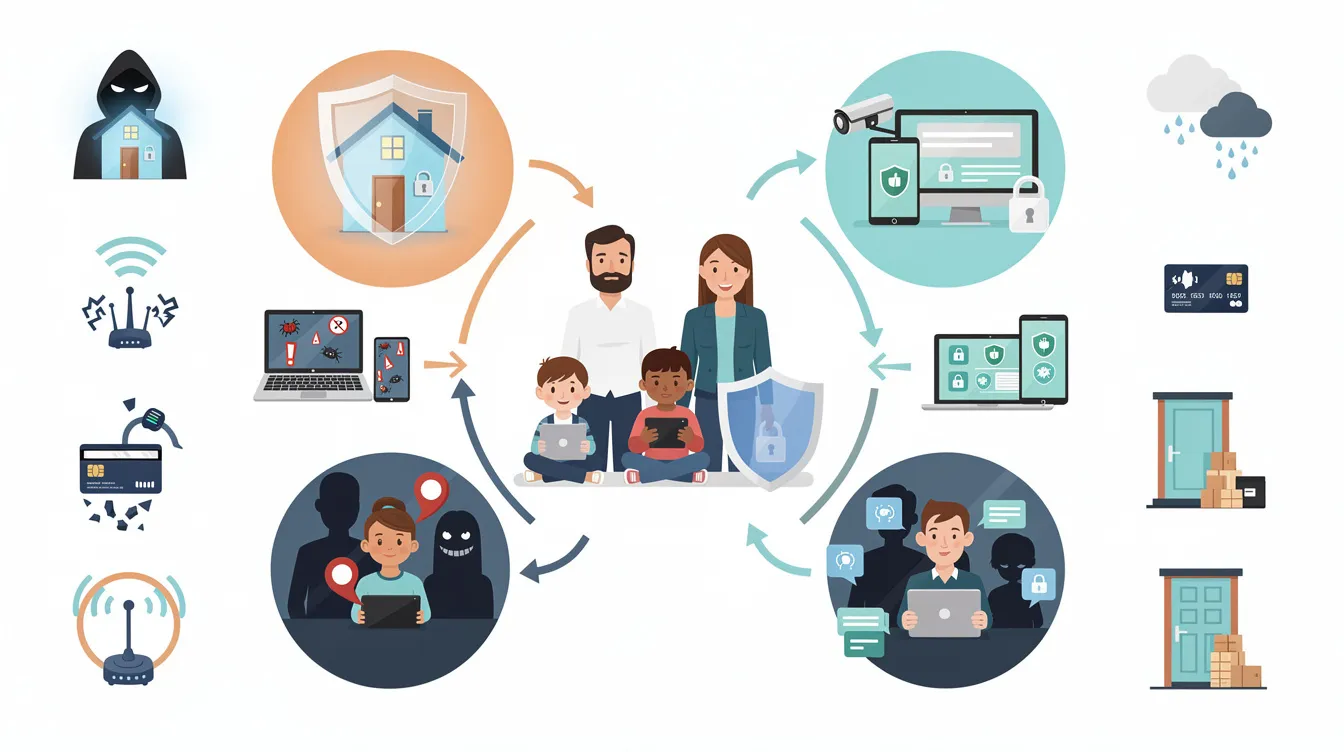
Protecting your home against common security threats requires a multi-faceted approach:
- Use quality locks to secure entry points and enhance overall security.
- Utilize technology and smart devices to bolster your defenses, providing real-time alerts and remote monitoring capabilities.
- Secure valuables and catalog them to aid in recovery in case of theft. Valuable items such as jewelry, electronics, and collectibles should be documented and stored securely.
Take specific measures to improve security in vulnerable areas like basements. Enhance security for basement windows by inspecting locks, replacing damaged ones, and installing bars.
Traditional burglary and cyberattacks on smart devices are evolving threats that require continuous attention and adaptation. Staying informed and proactive helps protect your home from various security risks.
Package Theft Prevention
Package theft is a growing concern that requires effective preventive measures. Deploying security personnel near delivery drop zones can deter package theft. Visitor protocols and credential checks safeguard against internal potential threats related to package deliveries.
These combined strategies effectively reduce the risk of package theft.
Cybersecurity for Smart Homes
Cybersecurity is crucial for smart homes, as they rely on your home network and wifi, making them susceptible to cyber threats. Protect your smart home by changing default passwords, securing your network, and regularly updating devices.
Smart home technology offers convenience and remote monitoring, enhancing your awareness and involvement in home security. Security feeds integrated with professional monitoring offer additional protection against cyber threats.
Vandalism and Property Damage
Preventing vandalism safeguards your property and maintains your home’s aesthetic and value. Methods include:
- Mobile patrols and visible security guards serve as a deterrent.
- They regularly check fences, gates, and external walls.
- Visible guards performing evening rounds effectively deter burglars at night.
Additional deterrents such as bright outdoor lighting and security cameras can further reduce incidents of vandalism.
Fire Safety and Emergency Preparedness
Fire safety is a crucial aspect of home security that should not be overlooked. A practiced escape plan can be crucial for survival in the event of a fire. Residents may have just 2 minutes to escape after a smoke alarm sounds, highlighting the importance of quick and efficient action.
Smoke and carbon monoxide detectors on every level of the home enhance safety.
Creating a Fire Escape Plan
Creating and practicing a fire escape plan is vital for emergencies. Families should rehearse their escape plan at least twice a year to ensure emergency responders know what to do.
For maximum safety with smoke alarms:
- Install smoke alarms inside bedrooms and outside sleeping areas.
- Use interconnected smoke alarms to ensure all alarms sound when one is triggered.
- Remember that functioning smoke alarms can reduce the risk of dying in a home fire by up to 60%.
Installing Smoke and Carbon Monoxide Detectors
Smoke detectors and carbon monoxide detectors are crucial for home safety. Install these detectors on every floor. Regularly test these alarms to ensure proper functioning.
Replace batteries or units if alarms are not functioning.
Preventing Electrical Fires
Proper maintenance of electrical cords and circuit breakers prevents electrical fires. To ensure safety:
- Inspect electrical cords regularly for frays or damage and replace them as needed to avoid fire risks.
- Ensure circuit breakers function properly.
- Only reset tripped breakers after resolving the underlying issue.
Regular maintenance of cords and circuit breakers is essential for home safety.
Child Safety at Home
Lifestyle home security guide – fire safety and emergency preparedness
Proper supervision and additional safety tips measures are required for child safety at home. Children home alone must be well-supervised and understand basic security protocols.
Safety gates and educating children about home security further enhance their safety.
Using Safety Gates and Latches
Safety gates restrict children’s access to hazardous areas, providing a physical barrier for protection. Install safety gates at the top and bottom of stairs to prevent accidents. Select gates that are securely mounted to the wall rather than accordion-style, which pose risks of trapping limbs.
Safety gates should comply with child safety standards and provide easy access to prevent access to dangerous areas.
Teaching Kids About Home Security
Educating children about the importance of security helps them understand how to react to potential dangers. Teach children to identify secure places in the home and not to answer the door when home alone so they can feel safe.
Teach kids to report emergencies, memorize essential information like their address, and not open doors to strangers.
Vacation Security Tips
Securing your home during vacations prevents burglaries and emergencies. A home security system can protect your property during vacations, with many offering remote monitoring features.
Ask a trusted neighbor to keep an eye on your home while you’re away.
Monitoring Activity Remotely
Home security systems with remote access offer the following features:
- Alert you to unusual activity while you’re on vacation.
- Smart security cameras send real-time alerts.
- Stream live video feeds to your smartphone, enhancing remote monitoring.
Ensuring Visible Security Measures
Bright outdoor lighting, especially motion activated floodlights, offers several benefits:
- Illuminates dark areas
- Surprises intruders
- Makes it difficult for burglars to hide
- Reduces the likelihood of break-ins
Visible security measures like security signage further deter potential intruders. Clearly displaying security systems sends a strong message that your property is not an easy target.
These visible deterrents work together to enhance the overall security of your home.
Choosing the Right Security Provider
Choosing the right security provider ensures your home’s safety and protection. Begin by understanding your specific home security needs and evaluating existing measures. This will help you identify any gaps and determine what additional services or upgrades you might require.
When evaluating potential security providers, consider the following:
- Ask crucial questions to understand their services and capabilities.
- Assess services offered, such as free home site surveys and personalized security plans, which can provide valuable insights for your home.
- Evaluate the availability of trained personnel and mobile patrols to ensure they meet your specific security needs.
Additionally, always conduct a background check on any contractors, repairmen, or domestic employees who will have access to your home to help prevent potential theft or scams.
Investing in professional residential security services offers numerous benefits, including rapid incident response and comprehensive property protection. Professional security providers offer expertise, reliability, and peace of mind. Inquire about policies for transferring security services if you plan to relocate, as this impacts your long-term strategy.
Evaluating Security Companies
Evaluating security companies ensures your home’s safety and protection. Consider a company’s reputation, as established firms usually have reliable systems and customer service. Assessing staff training and expertise provides insight into the level of service and support you’ll receive. In summary, look for a reputable company with well-trained staff to ensure quality security services.
Consider customer testimonials and support when evaluating security companies. They provide real facts about security systems’ performance and inform your choice of provider. Most security companies offer product warranties, ensuring reliability and satisfaction.
Visitor protocols and credential checks ensure safety and access control from insider threats.
Questions to Ask Your Security Provider
Ask the right questions to ensure a security provider meets your specific requirements. Evaluate newer companies carefully; they might lack systems to meet customer needs effectively. Established companies are often safer due to their proven track record and established customer service.
Customer testimonials provide insights into security systems’ performance and reliability, crucial for decision-making. Also, consider warranties and insider threat protocols in your evaluation. Asking these questions ensures you choose a provider offering the best services for your home.
Summary
In summary, securing your home involves a combination of basic measures, advanced technology, and proactive strategies. From securing entry points and installing high-quality locks to integrating smart devices and home automation, each step plays a crucial role in protecting your family and property.
Addressing common security threats, ensuring fire safety, and preparing for emergencies are essential components of a comprehensive home security plan. By educating children about home security and implementing safety measures, you can create a safe environment for your loved ones.
Choosing the right security provider is a critical step in ensuring reliable and effective protection. By evaluating potential providers and asking the right questions, you can find a security company that meets your specific needs. Remember, a well-rounded security strategy not only protects your property but also provides peace of mind and a sense of safety for your family.
Frequently Asked Questions
What are the most important steps to secure entry points in my home?
To effectively secure your home’s entry points, install high-quality locks, add extra locking mechanisms on vulnerable doors, and ensure all entry points are locked when not in use. Taking these measures significantly enhances your safety and peace of mind.
How can smart devices enhance my home security?
Smart devices improve home security through features like keyless entry, real-time alerts, and remote monitoring, ensuring you stay informed and in control of your home environment.
What should I look for when choosing a security provider?
When choosing a security provider, prioritize their reputation, staff training and expertise, customer testimonials, and any warranties they offer. These factors will ensure you select a reliable and effective service.
Why is it important to have a fire escape plan?
A fire escape plan is essential for enabling swift and effective evacuation, which greatly enhances survival chances during a fire emergency. Establishing and practicing this plan can make all the difference in critical moments.
How can I prevent package theft?
To effectively prevent package theft, consider employing security personnel at delivery drop zones and implementing strict visitor protocols with credential checks. These measures greatly enhance the security of your packages.