Worried about radon gas detection home in your house? This guide explains why testing for radon is crucial for your safety. You’ll discover easy steps to detect radon, different types of test kits, and what to do if your home has high radon levels. Radon testing can be done with a simple test that takes just minutes, making it accessible for any homeowner.
Key Takeaways
- Radon is a radioactive gas and a leading cause of lung cancer; regular home testing for radon levels is essential for health safety.
- Radon test kits are easily available at home improvement stores, making testing convenient for homeowners.
- There are two main types of radon test kits: short-term for quick results and long-term for comprehensive monitoring; each serves different needs.
- If elevated radon levels are detected, it’s crucial to take action, including confirming results with retests and potentially installing a radon mitigation system to reduce health risks.
Understanding Radon Gas
Radon gas detection home – key takeaways
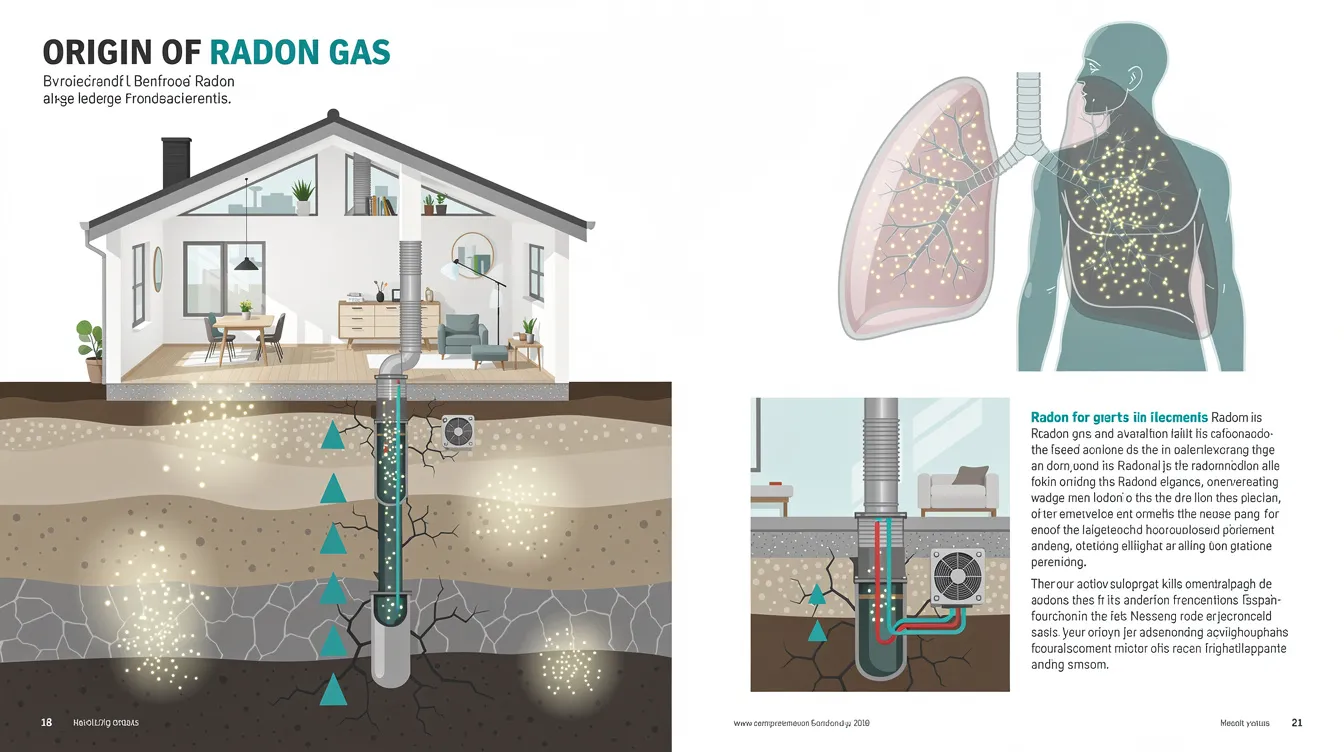
Radon is a radioactive gas classified as a Class A carcinogen, making it a significant health hazard. It’s colorless, tasteless, and odorless, which means it can permeate your home undetected unless you test for it. Radon forms naturally occurring gas when uranium in the soil, rock, and water breaks down. This gas then moves up through the ground into the air and can become trapped inside buildings, leading to elevated indoor radon levels.
Background information: Radon is present in both indoor and outdoor air, but outdoor air typically contains very low levels of radon due to natural dilution. However, when radon enters homes, it can accumulate to much higher concentrations, especially in poorly ventilated spaces. This is why indoor radon gas detection home testing is crucial—outdoor air levels serve as a baseline, but indoor environments can pose a much greater risk if radon is not identified and mitigated.
The health risks associated with radon exposure are severe, with radon being the second leading cause of lung cancer after smoking. It’s estimated that radon is responsible for thousands of lung cancer deaths in the U.S. annually.
These statistics highlight the need for regular radon testing in homes, particularly because no safe level of radon is known. The home determines the EPA recommends testing all homes for radon to ensure that occupants are not unknowingly exposed to unsafe levels of this dangerous gas.
Why You Need to Test for Radon Levels
Radon exposure is a significant health risk, particularly when it comes to lung cancer. In Colorado, radon exposure accounts for more than 500 lung cancer deaths annually. This statistic highlights the significant health risks associated with radon. Given the risk, regularly testing for radon levels in your home is necessary. Elevated radon levels can be found in any home, regardless of its age, design, or location, so no property is immune.
Testing for radon is straightforward and necessary for a safe living environment. Knowing your home’s radon levels can help you assess the risk and take necessary actions to mitigate it. Children and older adults are particularly vulnerable to radon exposure due to their more sensitive lungs. The EPA advises testing your home for radon every few years and after major renovations to ensure safety.
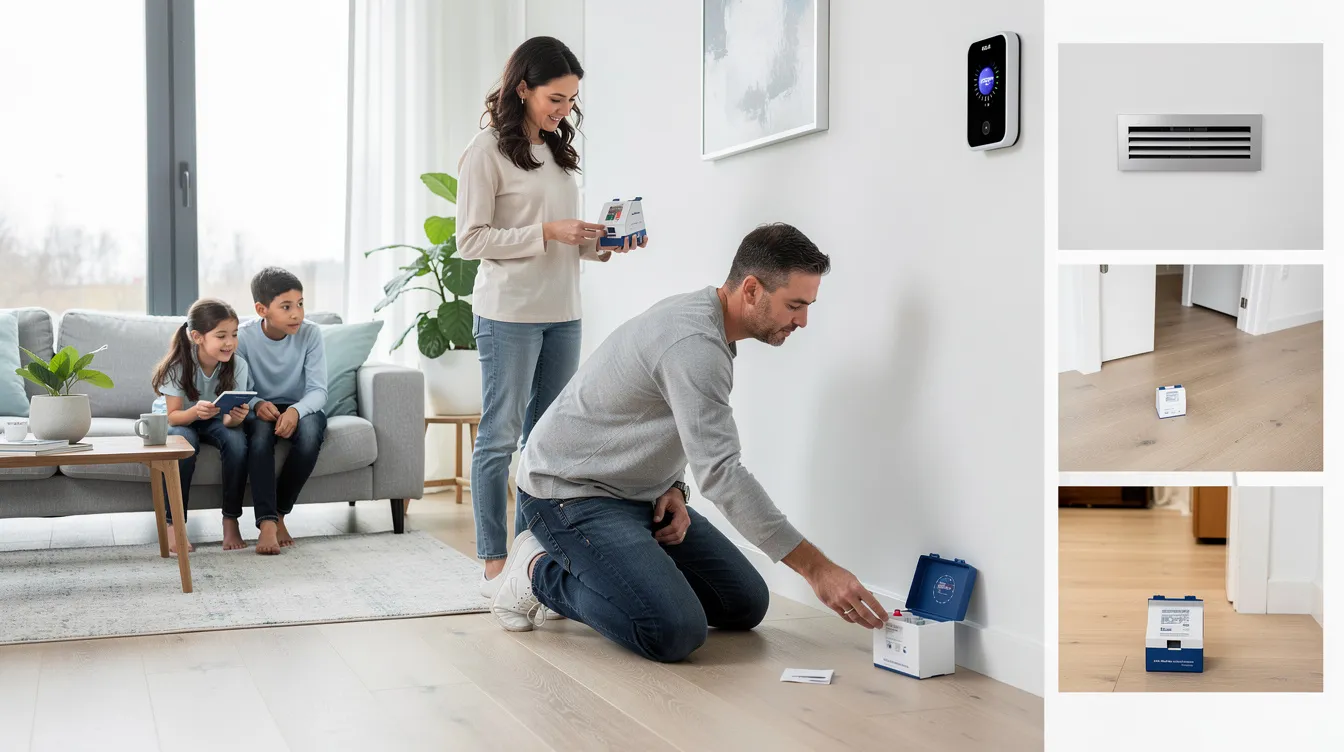
A radon sampler is used for testing, and the simple test takes just a few minutes to set up.
Luckily, testing for radon is a simple process. You can buy a radon test kit at a hardware store or online. After obtaining the kit, you can conduct the test yourself. The kit includes clear instructions, a radon sampler, and a return mailer for sending your sample to the lab. Alternatively, you can hire a professional to perform the testing for you. Whether you choose a short-term test kit or a long-term one, the key is to ensure that you are regularly monitoring radon levels to prevent any potential health risks.
Types of Radon Test Kits
Radon gas detection home – why you need to test for radon levels
When it comes to testing your home for radon, you have two main options: short-term and long-term radon test kits. Each type offers different benefits and is suited for different circumstances. Understanding the differences between these kits can help you choose the right method for your needs.
Short-term radon test kits are ideal for quick screenings and can provide results in as little as 2 to 7 minutes testing. These discounted test kits often include methods such as activated charcoal canisters and alpha track detectors. Most kits include lab fees in the purchase price, except for NJ state tests, where lab fees may not be included.
On the other hand, long-term radon test kits measure radon levels over a period of 90 days to a year, offering a more accurate year-round average by accounting for seasonal fluctuations. Both types of kits are effective; your choice depends on how quickly you need results and the level of detail you require. After mailing your kit, you will receive a lab receipt confirming your sample has been received and is being processed.
Short-Term Radon Test Kits
Short-term radon test kits are designed for those who need quick results regarding the radon levels in their home. These kits measure radon levels for a duration of 2 to 90 days, making them suitable for initial screenings. They are incredibly easy to use, with clear instructions provided in the kit. For example, the First Alert RD1 Radon Gas Testing Kit is particularly user-friendly, and customers have praised its straightforward ordering process and helpful customer service.
To use a short-term radon test kit:
- Place the device in the lowest living area or main room of your home.
- After the designated testing period, send the kit to a lab for analysis.
- Receive the results, which are typically returned quickly.
- Take immediate action if elevated radon levels are detected.
Long-Term Radon Test Kits
Long-term radon test kits are designed to provide a more comprehensive assessment of radon levels in your home. These kits measure radon levels over a period of 90 days to a year. This extended measurement period helps account for seasonal variations and provides a more accurate year-round average of radon levels in your home.
The primary benefit of using a long-term radon test kit is the accuracy of the results. By monitoring radon levels over a longer period, you can get a clearer picture of the radon exposure in your home, leading to more comprehensive testing and long term test results. This information is crucial for making informed decisions about mitigation strategies and ensuring the long-term safety of your living environment.
How to Conduct a Radon Test
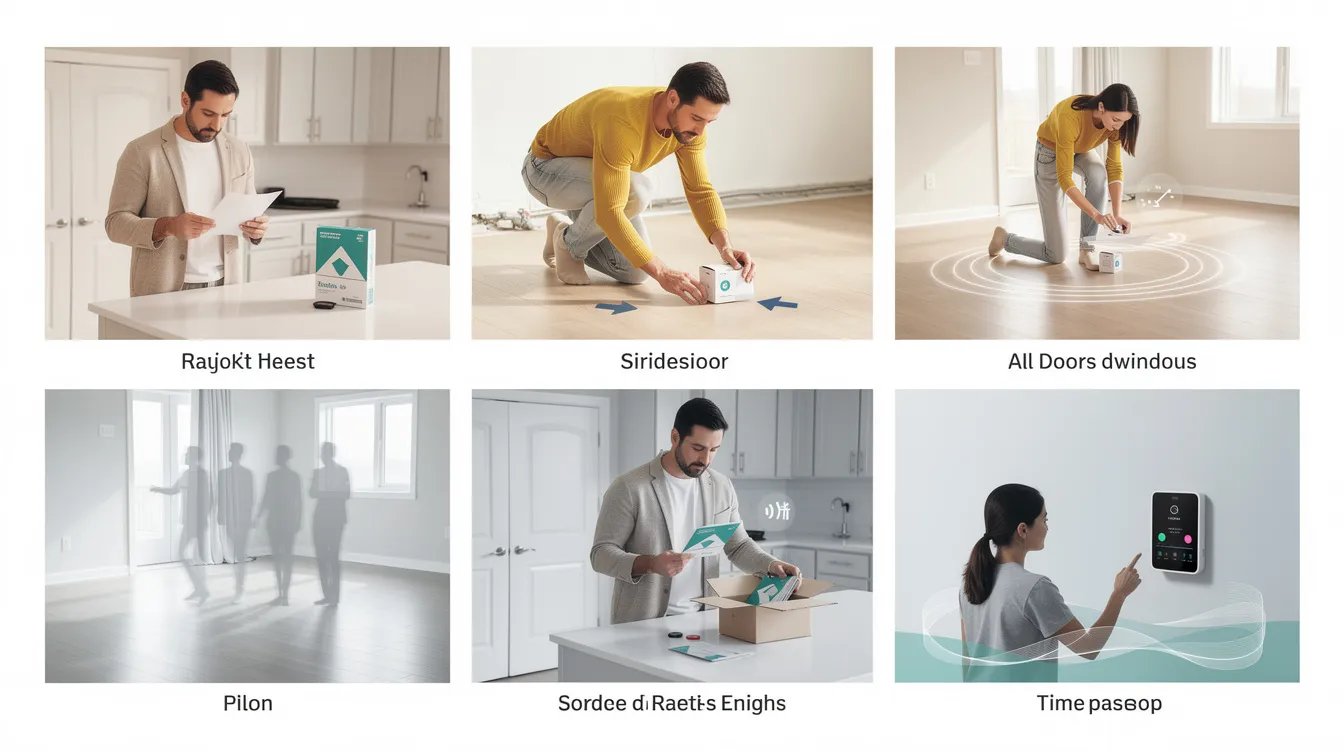
Conducting a radon test in your home is a simple process, but it’s essential to follow the instructions carefully to obtain accurate results. Here are the steps to follow:
- Select the appropriate room for placing the radon test kit, typically the lowest living area or main room where you and your family spend the most time.
- Position the measuring device about three feet above the ground.
- Ensure the device is placed away from windows, doors, and other potential drafts.
For the most reliable results, conduct the test when your home is closed up, ideally during the winter months when windows and doors are less likely to be opened. This helps ensure that the air being tested is representative of the indoor air environment. Follow the instructions provided with the radon test kit meticulously, as proper placement and adherence to guidelines are crucial for an accurate reading.
After the testing period ends, follow the specific directions to send the device for analysis. This typically involves sealing the kit in a provided envelope and mailing it using a return mailer to a lab. Once you apply postage and the lab receives your kit, they will analyze the lab results and conduct comprehensive testing before sending you a detailed report on your first test, usually within a few days.
Interpreting Radon Test Results
Radon gas detection home – how to conduct a radon test
Radon is measured in picocuries per liter (pCi/L) of air, indicating the concentration of radon gas in your home. Comprehending this measurement is crucial for interpreting your radon test results. The average radon level in American homes is around 1.3 pCi/L. This figure acts as a standard for comparison. However, there is no known safe level of radon, so any detectable amount should be addressed.
The radon test kit will provide you with detailed information on how to interpret your results. If your home’s radon level is at or above 4 pCi/L, the EPA recommends taking action to reduce it. Long-term exposure to high radon levels increases the risk of developing lung cancer, particularly for smokers and those with pre-existing lung conditions.
If your test results indicate elevated radon levels, it’s advisable to conduct multiple tests to confirm the findings before proceeding with mitigation efforts. The significance of these results cannot be overstated, as radon exposure is responsible for approximately 21,000 lung cancer deaths annually.
What to Do If Your Home Has High Radon Levels
Discovering high radon levels in your home can be alarming, but there are effective steps you can take. First, if a short-term radon test shows levels above 4 pCi/L, follow up with another test to confirm the results. It’s also recommended to retest your home every two years to ensure any installed mitigation systems remain effective.
If confirmed radon levels are at or above 4 pCi/L, contact a professional to install a radon mitigation system. These systems are designed to reduce radon levels to below 2 pCi/L, significantly lowering the health risks. Before calling in professionals, you can attempt some DIY methods such as improving ventilation and sealing cracks in your home’s foundation, as the foundation is a common entry point for radon gas. However, professional installation is often more reliable.
The EPA suggests taking action to reduce radon levels even if they are between 2 pCi/L and the lowest level of 4 pCi/L to prevent potential health risks. Understanding your home’s radon level is crucial for determining the necessary actions to take for mitigation.
Radon Mitigation Systems
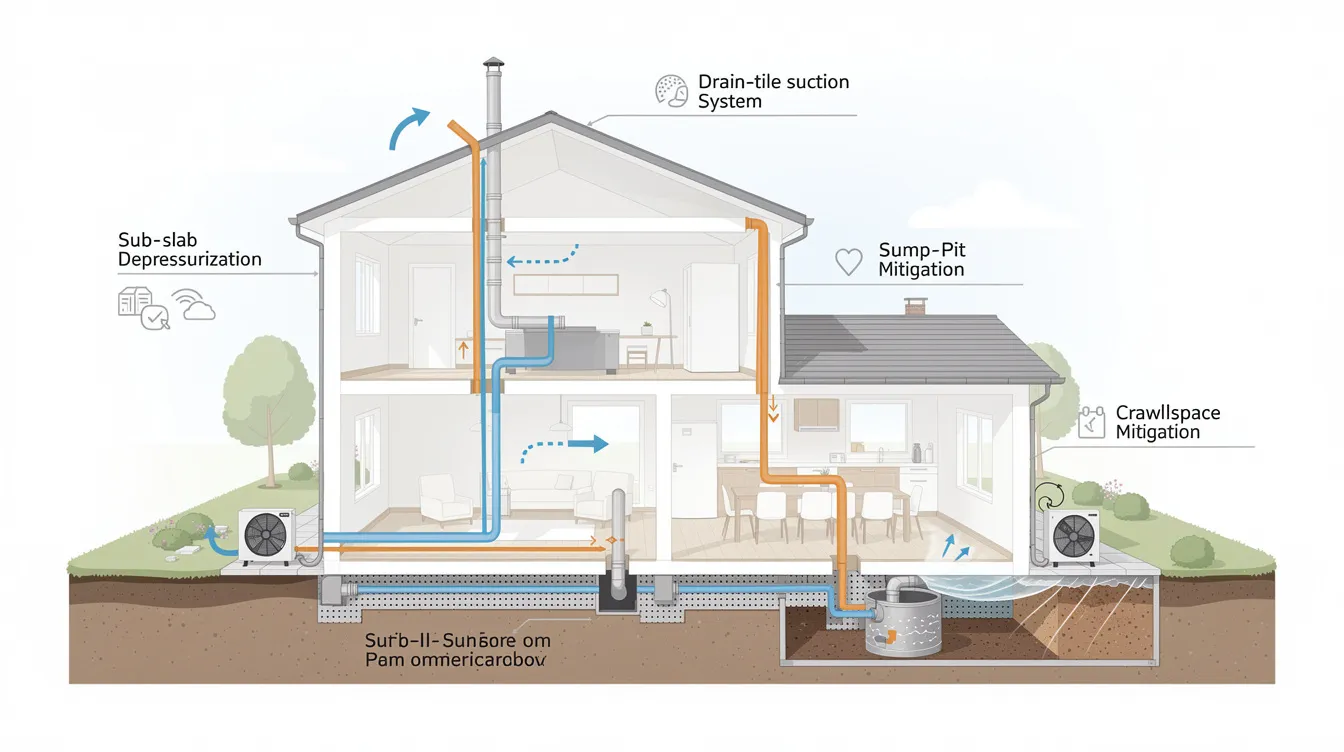
Radon mitigation systems are essential for reducing indoor radon levels to safe amounts. These systems work by redirecting radon gas from beneath your home to the outside, preventing it from accumulating indoors. The aim is to reduce radon levels and ensure the effectiveness of a radon system to protect your health.
To address radon problems in your home:
- Identify if your home has a radon problem through testing.
- If high levels are confirmed, have professionals seal cracks and openings in the basement to improve the system’s effectiveness.
- Use methods for reducing radon, such as sub-slab depressurization, which involves installing a vent pipe and fan to draw radon from beneath the foundation and expel it outside.
If your home has a crawl space with an earth floor, sealing the earth floor with plastic sheeting and installing proper venting is essential to reduce radon levels.
Properly installed and maintained radon mitigation systems are highly effective, keeping indoor radon levels low and reducing health risks.
Components of a Radon Mitigation System
A typical radon mitigation system comprises several key components designed to work together to reduce radon levels. These include:
- a radon fan
- piping
- sealing materials
- exhaust vents
- suction pits
- adaptations for crawl spaces.
Key components of a radon mitigation system include:
- Radon fan: Creates a low-pressure area that removes radon-laden air from beneath the building.
- Piping: Usually made of durable materials like PVC, used to transport the radon gas outside the home while minimizing leaks.
- Sealing cracks: Vital to prevent radon entry and enhance the system’s efficiency.
Additional components include suction pits, which pull radon directly from beneath the home’s foundation, and high density plastic sheet used to cover crawl spaces. These components ensure the effective mitigation of radon in various home environments.
Cost of Radon Mitigation
The cost of installing a radon mitigation system typically ranges from $1,500 to $3,000. Several factors can influence the cost, including the type of system used and the construction of your home. For example, homes with more extensive foundations or complex layouts may require more elaborate systems, increasing the overall cost.
Financial assistance is available for radon mitigation, particularly for low-income families. Federal programs and state-specific initiatives offer loans and grants to help cover the cost of mitigation. It’s worth checking with your state radon office or local community organizations to see what support options are available in your area.
Finding a Professional Radon Mitigator
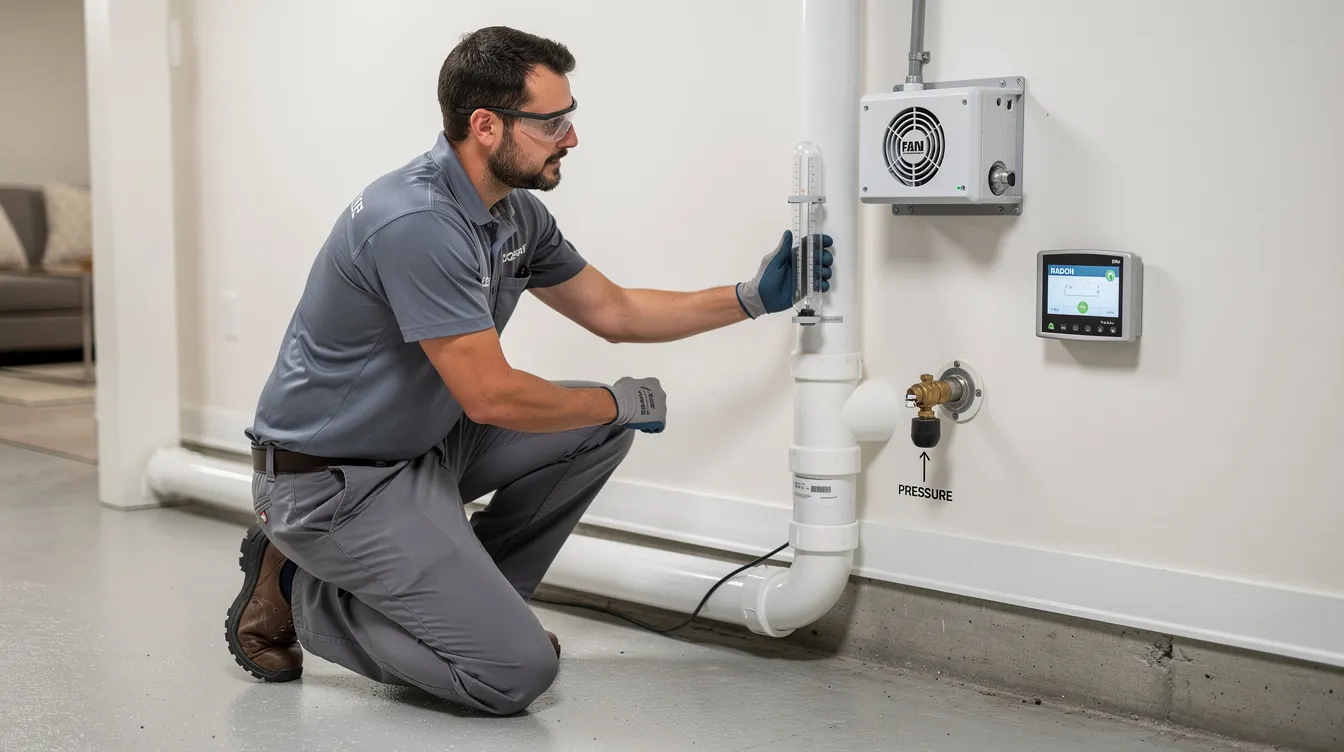
Hiring a qualified professional to install your radon mitigation system is crucial for ensuring its effectiveness. Professional assistance typically includes the installation of a vent pipe and fan to safely redirect radon gas outside your home. Using a state-certified radon mitigation installer ensures that the job is done correctly according to local regulations.
Resources such as the National Radon Proficiency Program and the National Radon Safety Board can help you locate certified radon professionals in your area. If you have home improvement skills and prefer a DIY approach, consult your state radon office for guidance and ensure you follow all safety protocols.
Maintaining Your Radon Mitigation System
Regular maintenance of your radon mitigation system is essential to ensure it continues to function effectively. Continuous monitoring of radon levels, even after a system is installed, is crucial. Monthly checks of the system’s visible components can help identify any issues early on.
Annual inspections should include:
- Checking the radon fan for unusual noises or reduced airflow
- Inspecting the manometer for barometric pressure differences
- Clearing any obstructions from the exterior vent pipe
- Replacing any damaged caulking or seals around the foundation to prevent radon seepage.
Radon in Water
While radon is primarily a concern in the air, it can also be present in water, particularly well water. Radon in water poses health risks mainly through inhalation during activities such as showering, washing dishes, and laundry. Although the risk from ingesting radon in water is smaller, it still contributes to overall exposure.
Testing well water for radon is necessary, especially if the water source is underground. Not all wells contain radon, but those that do can have elevated levels that increase the overall radon concentration in your home. Effective mitigation methods for radon in water include point-of-entry treatment systems like granular activated carbon filters and aeration devices, which can significantly reduce radon levels before the water enters your home.
The EPA has proposed regulations to limit radon levels in community water systems to 4,000 pCi/L, aiming to reduce the risks associated with radon exposure. The environmental protection agency requires safe drinking water to be tested regularly and appropriate mitigation if radon is detected.
State Radon Programs and Resources
State radon offices and national radon program services provide valuable resources for homeowners concerned about radon. Each state has a designated Radon Contact who can provide information on radon measurement and mitigation requirements specific to that state. These offices can also help you find certified professionals for testing and mitigation.
The National Radon Program Services, coordinated by Kansas State University, offer free a range of resources, including test kit coupons and educational outreach on radon. Additionally, non-profit organizations like the American Lung Association collaborate with the EPA to raise awareness and provide education on radon testing and remediation.
For those in need of financial assistance, federal funding programs like CDBG and the ‘203k’ program assist with radon mitigation for low-income families. State programs may also offer loans or grants to support radon reduction efforts. Homeowners can access hotlines such as 1-800-SOS-RADON for purchasing test kits or 1-800-55-RADON for live assistance with radon-related questions.
Summary
Radon gas is a serious health risk that requires attention and action. Understanding what radon is, how it enters our homes, and the associated health risks is crucial for ensuring a safe living environment. Regular testing for radon levels, whether through short-term or long-term test kits, is essential for early detection and mitigation.
If high radon levels are detected, taking immediate steps to reduce them through professional radon mitigation systems can significantly lower the risk of lung cancer. Utilizing state and national resources can provide guidance and financial assistance for those who need it. By staying informed and proactive, you can ensure that your home remains a safe haven free from the dangers of radon exposure.
Frequently Asked Questions
What is radon gas, and why is it dangerous?
Radon gas is a radioactive byproduct of uranium decay found underground, making it a significant health risk as it is a leading cause of lung cancer, especially in non-smokers. Taking measures to test for and mitigate radon in your home is essential for safeguarding your health.
How often should I test my home for radon?
You should test your home for radon every few years, particularly after major renovations, to ensure levels remain safe. Regular testing is essential for maintaining a healthy living environment.
What should I do if my radon levels are high?
If your radon levels are at or above 4 pCi/L, it’s essential to confirm with another test and consider hiring professionals for radon mitigation. Additionally, improving ventilation and sealing cracks in your home can help reduce levels effectively.
How much does it cost to install a radon mitigation system?
Installing a radon mitigation system typically costs between $1,500 and $3,000, influenced by system type and home construction. Financial assistance options are available for low-income families.
What are the components of a radon mitigation system?
A radon mitigation system consists of a radon fan, piping, sealing materials, exhaust vents, suction pits, and adaptations for crawl spaces. Each component works together to effectively reduce radon levels in your home.