Ensuring senior fall prevention at home is essential for their safety. This article provides practical tips to reduce fall risks and create a safer living environment.
Key Takeaways
- Prioritize health assessments to tailor fall prevention strategies and manage medications effectively.
- Encourage regular physical activity and proper footwear to enhance strength and stability, reducing fall risks.
- Implement home safety modifications, including lighting, assistive devices, and hazard removal, to create a secure environment for seniors.
Schedule a Health Assessment
Senior fall prevention at home – key takeaways
A health assess with a healthcare provider is a crucial initial step in fall prevention, as it helps identify underlying risks that may lead to falls in older adults. According to the Centers for Disease Control and Prevention, one out of four older adults falls each year, making fall prevention a critical component of disease control and prevention at home. Regular evaluations tailor fall prevention strategies to each individual’s needs, ensuring a personalized approach to safety.
Managing medications is a key part of these assessments. Many seniors take multiple medications that can cause dizziness or drowsiness, increasing fall risks. Reviewing and managing medications can significantly reduce these risks and is an important aspect of disease control in the home environment.
Communication between healthcare providers is also essential. When different specialists collaborate and share information, it enhances the overall management of fall risks for older patients. A collaborative approach ensures all aspects of a senior’s health are considered, supporting effective disease control and prevention and leading to safer outcomes. Seniors and their families should talk with their healthcare provider about fall risks and prevention strategies to ensure comprehensive care.
Promote Physical Activity
Regular physical activity is one of the most effective ways to prevent falls. Activities such as walking, tai chi, and water workouts can significantly enhance muscular strength and balance, which are crucial for maintaining stability. Structured exercise programs can improve overall health and indirectly contribute to fall prevention.
Participating in community exercise programs or classes not only promotes physical activity but also encourages social engagement, helping seniors feel connected and supported.
Tai chi can improve balance and reduce the risk of falls by enhancing body awareness. Water workouts are also particularly beneficial, as they minimize joint strain while promoting mobility and strength.
Regular physical activity in many older adults can lead to a stronger, more stable body less prone to falls.
Wear Proper Footwear
Senior fall prevention at home – promote physical activity
Proper footwear is crucial for fall prevention among older adults. Key features of suitable shoes include:
- Sturdy, flat shoes with non-skid soles to enhance stability and reduce the risk of falls
- A low heel
- A wide toe box to ensure comfort and minimize the risk of tripping
Avoiding high heels or slippery footwear is crucial, as these can increase the risk of falls. Instead, opt for shoes that provide good support and prevent slipping, especially for walking around the house. Remember, the right footwear can help prevent tripping and make a significant difference in maintaining balance and preventing injury.
In summary, choosing the right shoes is a simple yet effective fall prevention measure that older adults and their families should prioritize. Proper footwear is not just about comfort—it’s about safety and prevention.
Remove Home Hazards
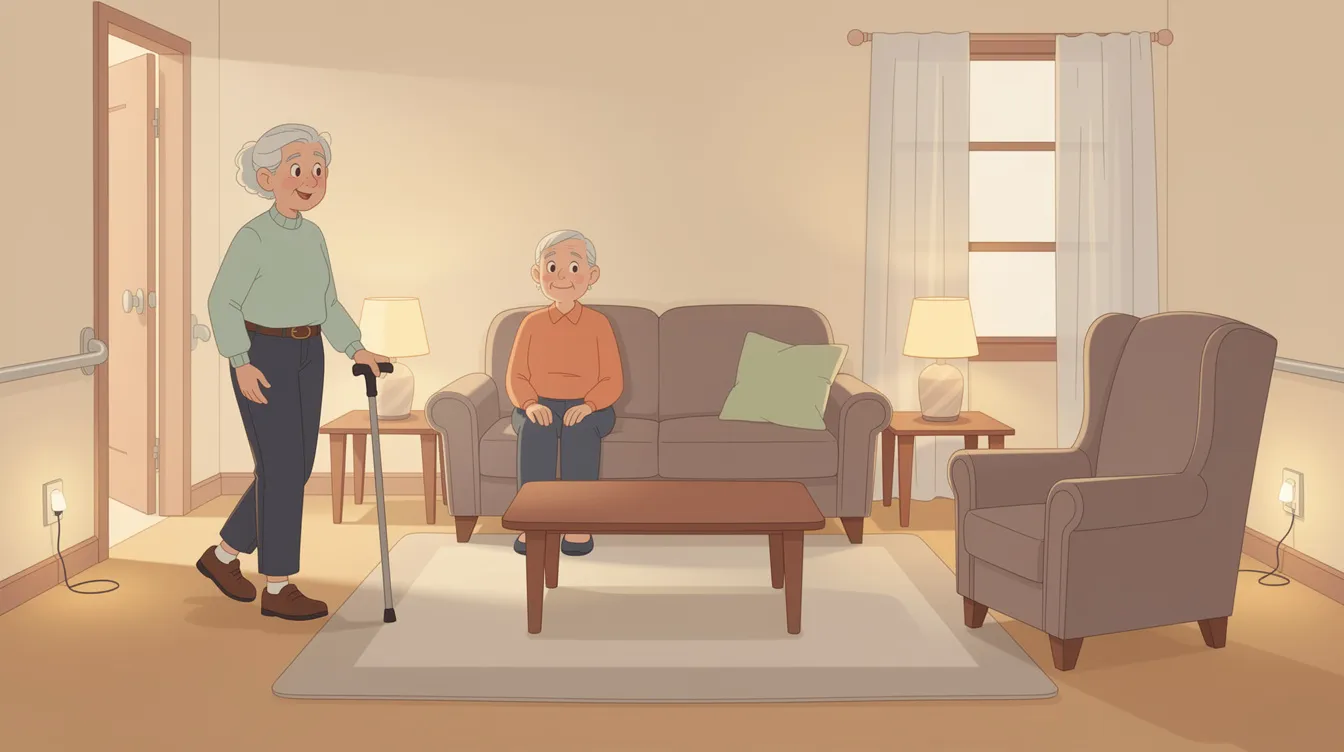
Eliminating home hazards is a fundamental step in creating a safer living environment for older adults. Environmental assessments can pinpoint potential hazards that increase fall risks. Decluttering living spaces helps identify hidden dangers and promotes a safer environment.
Actions to minimize slip and fall risks include:
- Remove throw rugs
- Securing carpets
- Maintaining clear pathways at entryways
- Adding nonslip strips to potentially wet surfaces
- Securing or managing electrical cords to prevent tripping hazards
These steps make the home safer and contribute to the emotional well-being of our parents by allowing them to age in place comfortably.
Ongoing assessment and maintenance of home safety are crucial. Regularly checking for new hazards and addressing them promptly keeps the living environment secure and supportive for older adults. Encourage family members to stay vigilant and proactive in keeping the home safe.
Improve Lighting
Senior fall prevention at home – remove home hazards
Good lighting is essential to prevent accidents, especially in areas like stairways where trips and falls are more likely. Plug-in sensor lights offer effective and automatic lighting solutions that can greatly benefit older adults. LED bulbs are a smart choice for brighter, energy-efficient lighting, enhancing overall home safety.
Maximizing natural light can also improve mood and well-being. Replacing heavy curtains with sheer ones allows more sunlight to brighten the home. Proper lighting is especially important in bathrooms and other living areas with a high risk of falls, which are a leading cause of accidents on the floor.
Using contrasting colors on stair edges enhances visibility, making it easier and safer for seniors to navigate their homes.
Install Assistive Devices
Assistive devices play a vital role in enhancing safety and stability for seniors. Healthcare providers can help determine which assistive devices are most suitable for individual needs. Common devices such as grab bars and raised toilet seats significantly enhance bathroom safety.
Bathroom safety can be enhanced by:
- Install grab bars near the toilet and in the shower or tub to provide support and stability.
- Using a raised toilet seat to make sitting and standing easier, thereby reducing the risk of falls.
- Upgrading to walk-in showers to eliminate high edges and incorporate built-in seating, significantly enhancing overall bathroom safety.
Some installations, such as grab bars or walk-in showers, may require professional assistance to ensure they are safely and properly installed.
These modifications improve safety and contribute to the independence and confidence of older adults. Equipping the home with the right assistive devices can make a significant difference in preventing falls.
Enhance Bathroom Safety
The bathroom is one of the most hazardous areas for seniors due to water and slippery surfaces. Bathroom modifications are essential to reduce these risks. Non-slip mats or strips on wet surfaces are a simple yet effective measure to prevent falls.
Securing secure rugs and adding lever handles can further enhance bathroom safety. These adjustments ensure that the bathroom remains safe for older adults, reducing the likelihood of accidents and promoting confidence in their daily routines.
Secure Stairways and Entryways
Securing stairways and entryways is essential to prevent falls and promote safety for seniors. Ramps with handrails at entryways can greatly enhance accessibility and safety for older adults. It is important to make the front door accessible and safe for seniors, as entering or exiting through the front door can present challenges. Upgrading doors to be wider or more accessible for mobility aids, such as wheelchairs and walkers, is a key part of aging-in-place modifications. Handrails should be installed on both sides of stairs to provide ample support.
Improved lighting in these areas is also crucial. Bright lighting helps seniors see where they are going, reducing trip and fall risks. No-slip strips can be added to stair treads to further reduce the risk of slipping. These measures make the most frequently used areas of the home safe and secure.
Regularly checking and maintaining these safety features ensures they continue to provide necessary support and protect. Encourage family members to be proactive in securing these high-risk areas by following home safety tips.
Utilize Technology for Safety
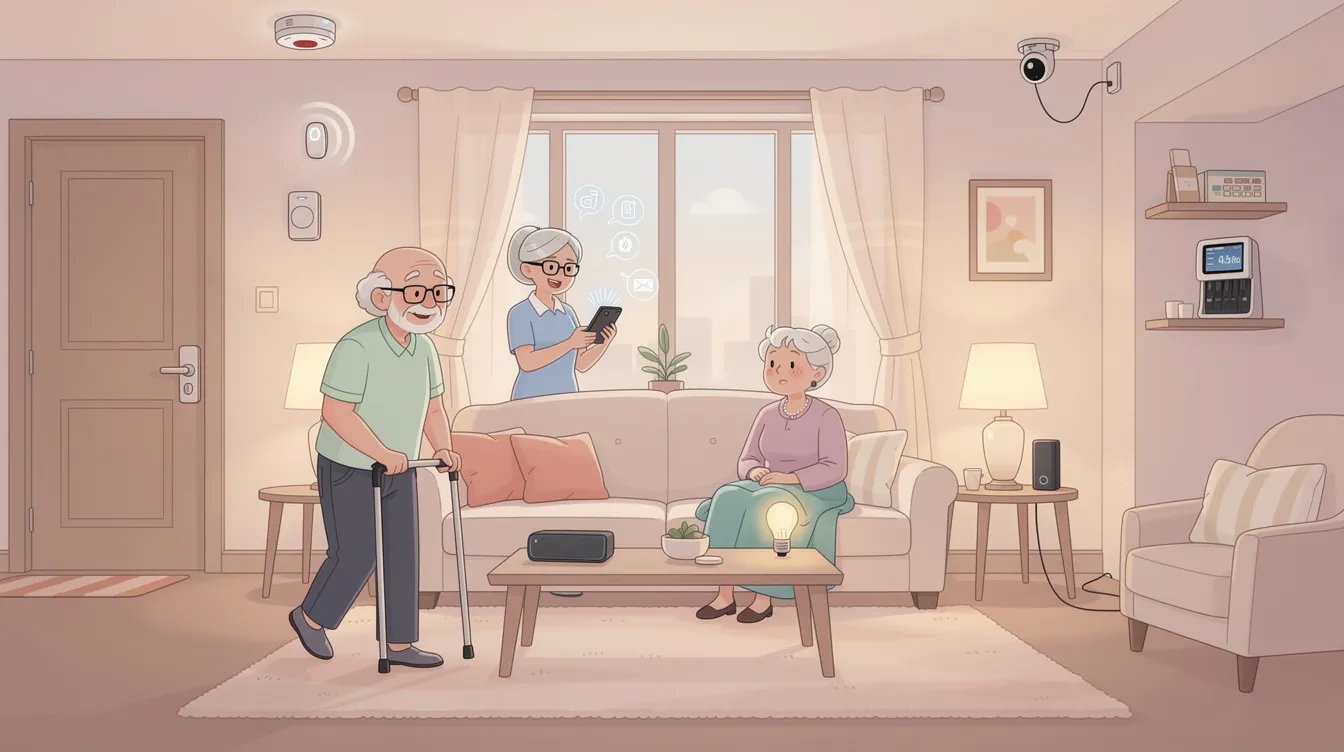
Technology can greatly enhance home safety for seniors. Key technologies include:
- Emergency response systems that provide quick access to help if a fall occurs.
- Systems that can notify multiple contacts simultaneously, streamlining response efforts.
- Wearable fall detection devices that alert caregivers without compromising the user’s privacy. Additionally, having emergency numbers readily available can further improve response times in critical situations.
Voice-activated assistants and automated lighting systems can prevent falls by providing hands-free control and illumination in low-light areas. Additionally, water leak detection systems can automatically shut off water supplies to prevent flooding, addressing a common risk for seniors.
These technologies offer peace of mind and an added layer of protection for older adults living at home.
Seek Professional Help
Professional help is vital for effective fall prevention. Certified aging-in-place specialists (CAPS), occupational therapists, and a physical therapist offer personalized recommendations to improve home safety and reduce fall risks. Many CAPS professionals are certified by national associations such as the National Association of Home Builders, which sets standards for quality and expertise in home modifications. These professionals, including an occupational therapist, provide tailored solutions considering the specific lifestyle and abilities of older adults.
Home modifications suggested by specialists cater to the changing needs of seniors and prevent falls. Adaptive kitchen features, such as pull-down shelves, can make meal preparation safer. Healthcare providers also play a key role in advising on specific changes to lower fall risks after assessing a home. Guidance from reputable organizations such as the National Institute on Aging can help ensure best practices in fall prevention.
Consulting professionals ensures all safety measures are appropriately addressed, providing peace of mind for family members and more care for older adults.
Access Financial Assistance
Financial assistance for home safety modifications is crucial for many families. Some Medicare Advantage Plans may partially cover modifications if deemed medically necessary. However, Medicare generally focuses on durable medical equipment rather than home modifications.
Federal programs, such as the Federal Section 504 program, offer low-interest loans to help seniors make necessary home improvements. Local programs, like those from Habitat for Humanity, assist low-income families with exterior repairs and accessibility improvements.
These resources make it more affordable to create a safe and supportive living environment for older adults.
Summary
In summary, creating a safe home environment for seniors involves a multi-faceted approach. From scheduling health assessments and promoting physical activity to making home modifications and utilizing technology, each step plays a crucial role in fall prevention. These strategies are essential for protecting older people and supporting their independence at home. By implementing these strategies, we can help our loved ones age in place safely and comfortably, providing them with the support they need to maintain their independence and well-being.
Frequently Asked Questions
Why is it important to schedule a health assessment for seniors?
Scheduling a health assessment for seniors is crucial as it uncovers hidden risks, allowing for personalized fall prevention strategies. This proactive approach empowers seniors to live safer, healthier lives.
What types of physical activities are recommended for preventing falls in seniors?
To prevent falls, engaging in activities like walking, tai chi, and water workouts can significantly enhance your balance and strength. Prioritizing these exercises is a proactive way to maintain your independence and confidence!
What are some key home modifications to prevent falls in the bathroom?
To prevent falls in the bathroom, focus on installing non-slip mats, grab bars, and raised toilet seats, and consider converting to a walk-in shower. These key modifications can significantly enhance your safety and confidence while navigating your space!
How can technology be used to enhance senior safety at home?
Utilizing technologies like emergency response systems and wearable fall detection devices is a great way to enhance safety for seniors at home. These tools ensure quick access to help and can give you peace of mind knowing your loved ones are protected.
Where can families find financial assistance for home safety modifications?
Families can find financial assistance for home safety modifications through Medicare Advantage Plans, the Federal Section 504 program, and local organizations like Habitat for Humanity. There are options available to help you ensure a safer home for your loved ones!