Deciding between a DIY vs professional home security system? Learn how each option compares in cost, features, and ease of installation to find the best fit for your home.
Key Takeaways
- DIY home security systems offer cost-effective, customizable solutions with easy installation, ideal for tech-savvy homeowners and renters.
- Professional home security systems provide comprehensive monitoring and expert installation, ensuring immediate emergency response and reliability for larger homes.
- When choosing between DIY and professional systems, consider factors like budget, installation preferences, and the scope of security needs.
DIY Home Security Systems: An Overview
Diy vs professional home security system – key takeaways
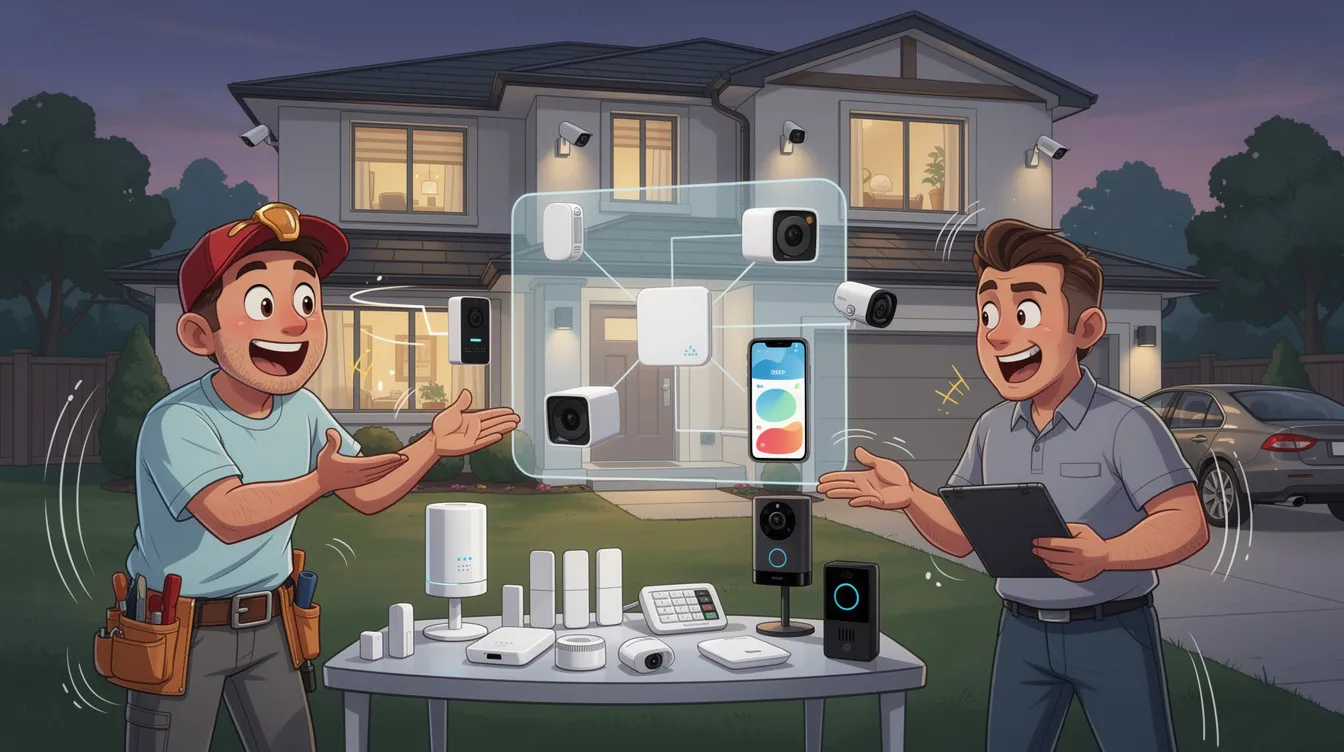
DIY home security systems have gained popularity for their ease of installation and cost-effectiveness. These systems allow homeowners to manage their own security without the need for professional installation. DIY systems typically include a base station as the central hub, along with contact sensors and entry sensors for monitoring doors and windows.
With reliable equipment and good monitoring options, DIY systems like Abode even offer unique features such as monitoring for smoke alarm sirens. Many DIY systems are self monitored systems, allowing users to oversee their security via smartphone apps.
Popular brands in this category include SimpliSafe, Ring, and Abode, with starter kits priced between $100 and $200 and security bundles ranging from $65 to $399. These systems offer customizable solutions and flexible installation, making them a viable alternative to professional home security systems.
Key Features of DIY Systems
One of the most significant advantages of DIY home security systems is their user-friendly setup process, which typically requires minimal tools for installation. Many modern systems come with wireless configurations, eliminating the need for professional installation and making them accessible for self-installation. This ease of setup is complemented by self-monitoring options that allow users to oversee their security and receive alerts via their smartphones, enhancing convenience and control. Accessories like a key fob can make arming and disarming the system even more convenient, providing a quick and portable alternative to keypad entry.
Additionally, DIY systems are known for their smart home integration capabilities, allowing compatibility with various smart devices like motion sensors, smart locks, and other smart home devices and security equipment. Some DIY systems also offer compatibility with voice assistants such as Alexa and Google, enabling users to control their security system with simple voice commands for arming and disarming. Companies often provide extensive online resources, including tutorials and customer support, to help users navigate any issues they may encounter.
Benefits of DIY Home Security
One of the primary benefits of DIY home security systems is the potential cost savings:
- Homeowners can save significant amounts of money by avoiding professional installation and ongoing monitoring fees.
- Using refurbished devices with DIY systems further reduces costs.
- Users can also potentially save up to 20% on their home insurance by installing a security system.
- The total cost of a DIY system depends on how much equipment is needed, as users can choose the number and type of devices to fit their budget.
Users can extensively customize DIY systems by:
- Selecting only the components they need, such as window sensors, to tailor the system to their specific requirements
- Tailoring the system to individual requirements, making it a more efficient investment
- Choosing specific components to align spending with unique security requirements
DIY home security systems are also known for their straightforward installation processes. This ease of installation makes them particularly appealing for renters and homeowners who may not want to deal with the hassle and expense of professional installation. Setting up and customizing the system independently gives homeowners a sense of control and satisfaction in their diy setup.
Professional Home Security Systems: An Overview
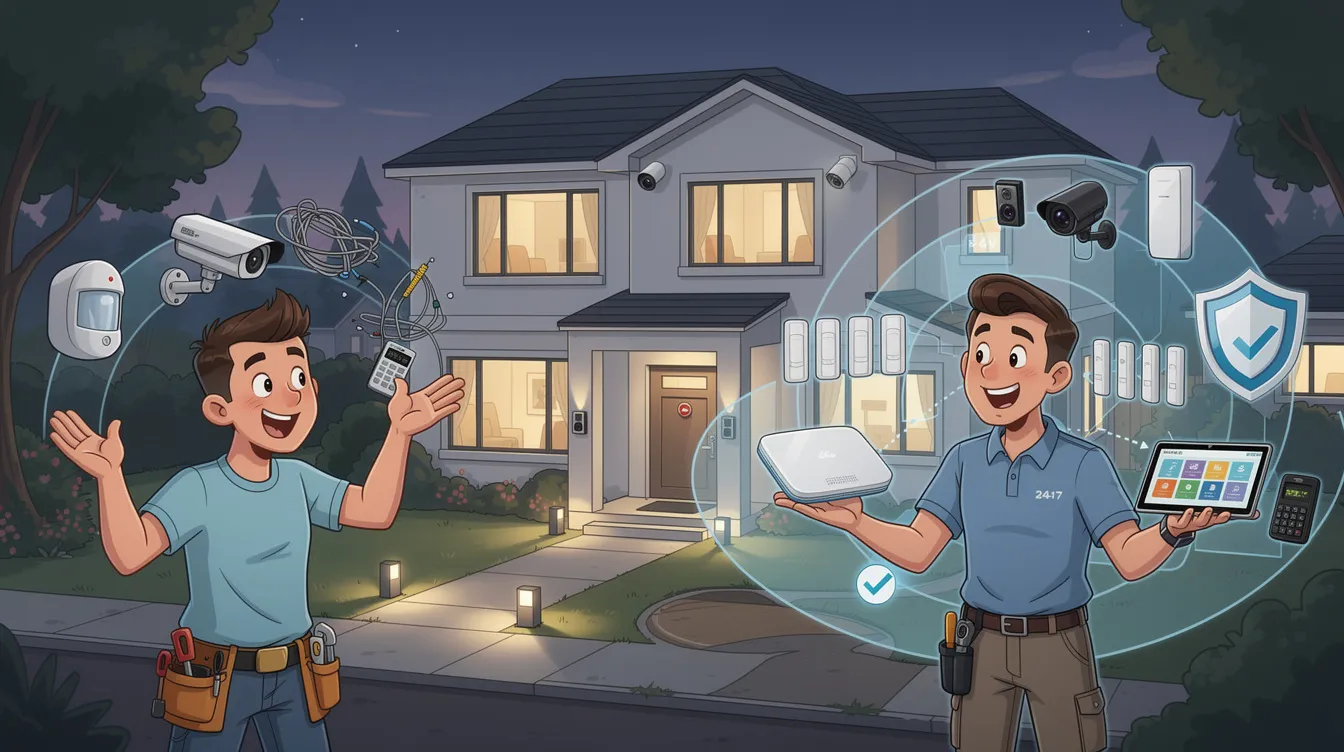
Professional home security systems provide comprehensive solutions with expert installation and monitoring. Well-known providers like ADT, Vivint, and Frontpoint lead the industry with their reliable services and advanced security equipment. These systems are designed to provide dependable and continuous protection, making them a preferred choice for many homeowners.
These systems typically include 24/7 monitoring, advanced security equipment, and professional installation services. Many professional systems are wired systems, which require more complex installation but offer enhanced security and are harder to hack. This ensures a robust and reliable new security system setup with immediate emergency services response from the fire department and thorough property coverage. Some municipalities require alarm permits for professionally monitored systems, so homeowners should check local regulations regarding alarm permits.
Key Features of Professionally Installed Systems
Professionally installed systems feature sophisticated equipment such as:
- Alarms
- Door sensors
- Control panels
- Smart cameras
- Connected deadbolts
- Smart lock
Many of these systems come equipped with cellular backup to ensure functionality during internet outages, providing an added layer of reliability.
These installations often include comprehensive maintenance services to ensure all components function optimally. Technicians perform a thorough property assessment to optimize camera and sensor placement, enhancing overall system effectiveness.
Voice control capabilities and cloud storage options also enhance convenience and security.
Advantages of Professional Monitoring
Continuous oversight and faster response times enhance the reliability of professional monitoring systems compared to DIY systems. These systems provide instant alerts to authorities, including the police department, during emergencies, ensuring a swift response to any security breaches. The average response time for professional setups is around 28 seconds, highlighting the efficiency of these systems. However, it is important to note that professional monitoring services typically require monthly fees, which cover the cost of continuous oversight and rapid emergency response.
Comprehensive customer support from security companies is another significant advantage of professional monitoring. Many services offer 24/7 customer service and emergency assistance, improving user experience and ensuring immediate help when needed. This level of support is crucial for users who prioritize convenience and minimal involvement in security management.
Ongoing technical support is part of the service agreement for customers choosing professional monitoring service. Any issues or malfunctions are promptly addressed, maintaining the system’s reliability and effectiveness.
Cost Comparison: DIY vs Professional Installation
Diy vs professional home security system – professional home security systems: an overview
Several factors, including initial setup costs and ongoing monitoring fees, come into play when comparing DIY and professional home security systems. Choosing DIY installation can save the costs of hiring a professional, making it a cost-effective choice for many homeowners.
DIY systems eliminate installation fees and reduce monthly monitoring costs, offering significant savings. Professional systems come with higher setup costs and ongoing fees but provide comprehensive services and support many users find valuable. Some home security companies offer free installation as part of their service packages, which can offset the higher initial costs. Additionally, adding additional security features, such as extra sensors or services, can increase the overall price of both DIY and professional systems.
Initial Setup Costs
A primary cost advantage of DIY systems is the lower upfront investment compared to professional installations. Key points include:
- Basic DIY systems start as low as $200.
- Frontpoint system starter kits begin at $69.
- These systems often lack installation fees, making them attractive for budget-conscious individuals.
Professional installations typically involve higher upfront costs. The average cost for professional installation is around $200, with activation fees ranging from $50 to $100. Additional cost may include electrical permits for hardwired systems and adding advanced features like glass break sensors and duress signals.
Despite higher costs, professional systems ensure optimal placement and functionality of all components through thorough and expert installation. This can be a worthwhile investment for those seeking a robust and reliable security solution.
Ongoing Monitoring Fees
Monthly monitoring costs for professional systems typically range from $45 to $60. These monthly monitoring fees cover continuous monitoring services and support from professional security companies. While these monthly costs add up over time, they ensure constant surveillance, providing peace of mind.
DIY systems offer self-monitoring options without a monthly fee, leading to significant cost savings. For those looking to save money, DIY options offer a cost-effective alternative without ongoing expenses. This makes them attractive to budget-conscious homeowners who still want high security.
Ease of Installation: DIY vs Professional
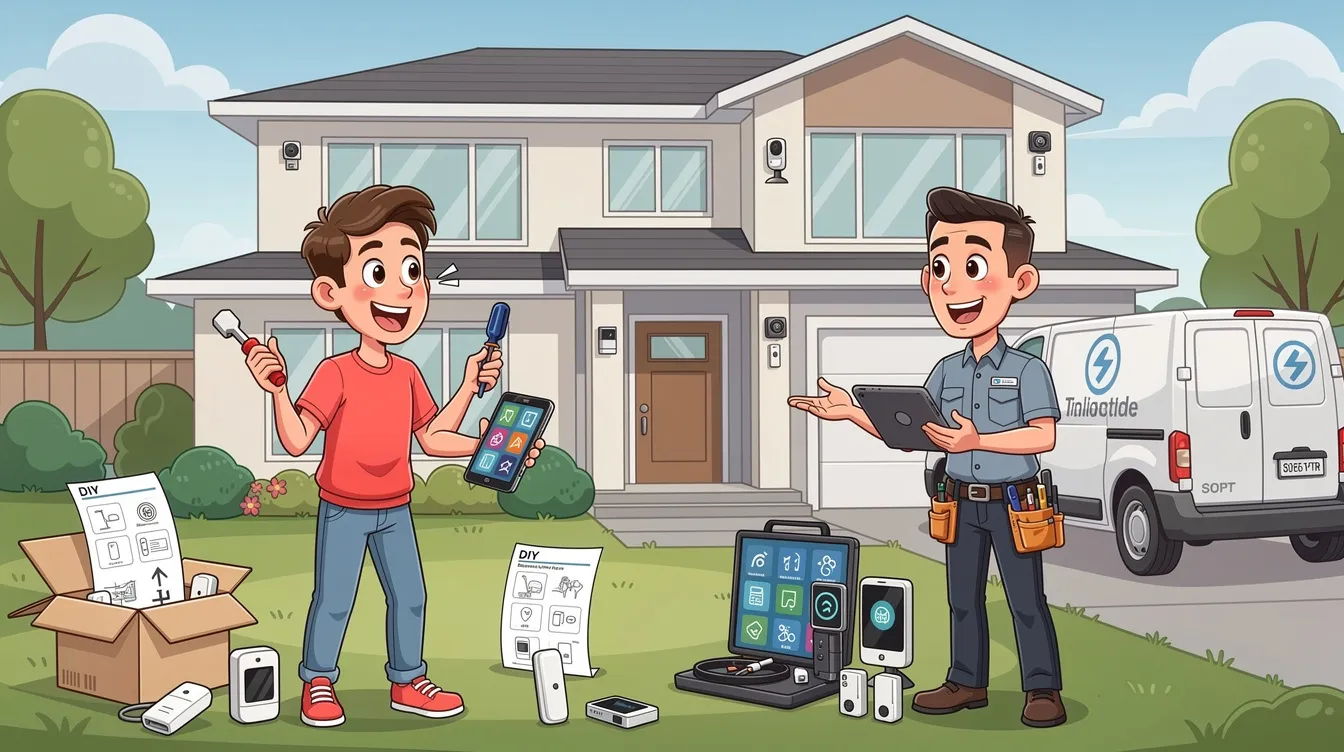
Installation is a critical factor when choosing between DIY and professional home security systems. DIY installations are straightforward and require minimal technical skills, making them accessible to most homeowners. With a DIY approach, users have the flexibility to install and manage their own security system, allowing for easy upgrades and integration with other smart home devices. Professional installations involve a technician who handles setup and ensures proper installation and functionality of all equipment.
Understanding the installation differences between DIY and professional systems helps homeowners make informed decisions that align with their preferences and technical abilities. DIY installations offer flexibility and independence, while professional installations assure expert setup and optimal performance.
DIY Installation Process
Installing a DIY home security system involves a few straightforward steps:
- Homeowners start by unboxing the equipment and following the provided instructions.
- Most systems are wireless and tool-free, making home security system installation quick and easy.
- Some setups can be completed in 20 to 30 minutes, depending on system complexity.
Users may need to charge device batteries during installation, which might take overnight. Using screws instead of adhesive tape to secure sensors is recommended to prevent them from falling off.
Despite the simplicity, some users may encounter syncing issues, usually resolved with online resources and customer support.
Professional Installation Process
During professional installation, a trained technician handles setup and ensures all components are properly installed and functioning. This typically involves a thorough property assessment to determine optimal sensor and camera placement, maximizing system effectiveness.
Although not always required, certain companies may require professional installation for specific systems to ensure proper functionality and coverage. Hiring a professional installer ensures correct setup and offers peace of mind to homeowners who prefer not to handle installation themselves.
Customization and Scalability
Diy vs professional home security system – ease of installation: diy vs professional
Customization and scalability allow a home security system to adapt to changing needs, making them vital considerations. Both DIY and professional systems offer unique advantages, ensuring homeowners can effectively respond to new requirements over time.
DIY systems offer extensive customization, allowing users to add new devices and integrate with smart home products. Homeowners can include motion detectors as part of their system customization for enhanced security. Professional systems are highly scalable, enabling upgrades and expansions with additional sensors, cameras, and smart home features as needs grow.
Customization Options for DIY Systems
A significant benefit of DIY home security systems is customizing equipment based on personal security requirements. Users can tailor their systems to meet specific needs, adding components as needed. Integration with various smart home devices enhances this flexibility, allowing for a seamless smart home experience.
Brands like Ring and SimpliSafe enable users to build custom security kits, starting with basic setups and expanding as needed. This modular approach provides cost savings and ensures the system evolves with the homeowner’s security needs.
Scalability of Professional Systems
Professionally installed systems offer straightforward upgrades, easing the addition of more sensors and cameras as security needs change. This scalability allows the system to grow with the homeowner, providing comprehensive coverage as new security requirements emerge.
Adding new components to professional systems typically involves minimal disruption to existing setups, ensuring a smooth upgrade process. These systems also adapt to incorporate smart home features, enhancing overall security and convenience.
Reliability and Performance
Reliability and performance are critical factors when choosing between DIY and professional home security systems. Both types offer reliable performance, but DIY setups may be more susceptible to user errors, impacting their effectiveness during critical moments.
Both DIY and professional systems are designed to detect a break in and promptly alert homeowners or authorities, helping to ensure a rapid response to unauthorized entry.
Professional systems are designed to provide consistent, dependable performance, particularly in connectivity and battery backup, ensuring they remain operational during power outages or internet disruptions.
Connectivity and Battery Backup
DIY systems often rely on cellular signals or Wi-Fi, allowing continued operation during internet outages. However, reliance on wireless systems connectivity can sometimes lead to vulnerabilities if the connection is unstable or disrupted.
Professional systems typically include dedicated battery backup solutions to maintain functionality during power failures. Many professional setups include cellular backup to ensure continued operation if Wi-Fi drops out, providing added reliability.
System Alerts and Notifications
Alerts and notifications are crucial for home security alarm system effectiveness, informing users of potential threats and ensuring timely intervention. Professional monitoring systems often provide quicker alerts to monitoring centers, with response times averaging around 28 seconds, ensuring prompt notification of authorities during emergencies and reducing false alarms.
User experiences with alerts can vary, with DIY systems often requiring manual setup for optimal notifications, potentially affecting responsiveness. Both types of systems typically include battery backup features to maintain alert functionality during power outages, ensuring continuous protection.
Customer Support and Warranties
Customer support is crucial for effective management and troubleshooting of home security systems. Both DIY and professional systems provide various support options and warranty coverage, offering peace of mind to homeowners.
Support for DIY systems includes online resources, phone support, and community forums, which together form a comprehensive support structure. Professional systems, on the other hand, typically include comprehensive customer service, troubleshooting, maintenance, and emergency assistance, ensuring that any issues are promptly addressed.
Support for DIY Systems
Support for DIY home security systems is essential for effective operation and troubleshooting. Many companies provide extensive online resources, including tutorials and user manuals, to help users set up and manage their systems.
Community forums are also a valuable resource, allowing users to share experiences and troubleshooting tips with one another. Together, these resources provide a robust support structure for DIY system users, ensuring they have the necessary tools to resolve any issues that may arise.
Professional System Support
Professional home security companies and a security company offer a high level of customer service, including troubleshooting, maintenance, and emergency assistance. This ensures that any problems with the system are quickly and efficiently resolved, maintaining the system’s reliability and effectiveness.
Many professional systems also come with warranty offerings, such as Brinks Home’s two-year warranty, providing coverage for equipment malfunctions or defects. Additionally, some companies, like Brinks Home, offer a full refund return policy within the first 30 days, ensuring customer satisfaction.
Real-World Scenarios: Which Is Best for You?
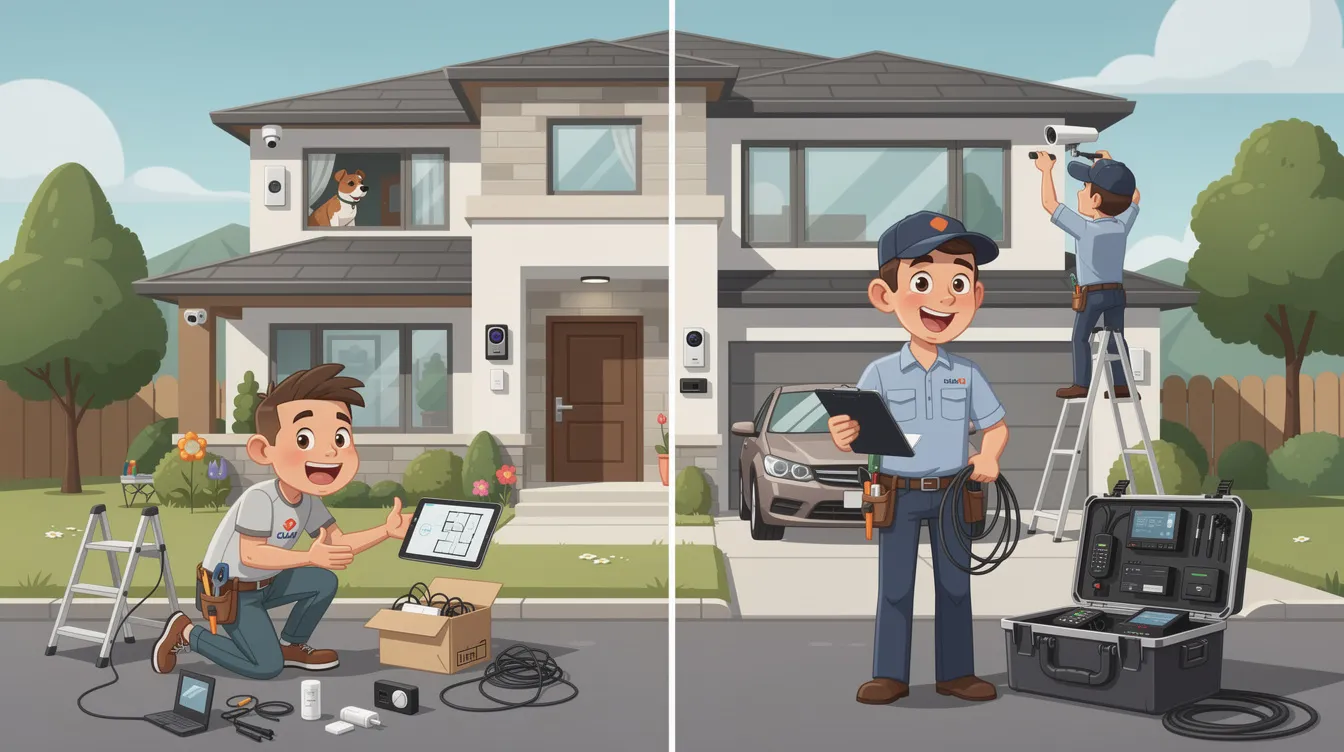
Choosing the right home security system depends on individual circumstances such as lifestyle, budget, and security needs. Understanding the scenarios where either DIY or professional systems are more suitable can help homeowners make an informed decision.
When considering your options, remember that personal safety features, such as panic buttons and environmental sensors, can be important for some homeowners. Some systems also offer carbon monoxide detection as part of their comprehensive safety features, providing added protection against environmental hazards.
DIY systems provide renters with flexibility, allowing them to uninstall and take the system with them when moving. Professional systems are ideal for larger homes where extensive coverage is necessary, offering comprehensive installation services and professional monitoring.
Ideal Situations for DIY Systems
DIY security systems are often best suited for individuals who are comfortable with technology and prefer to save on installation costs. Tech-savvy individuals can benefit from the hands-on approach of installing and customizing their own systems, ensuring that the setup meets their specific needs.
Homeowners in smaller residences or apartments may find DIY systems sufficient due to their straightforward installation and lower expense. These systems provide an efficient and cost-effective solution for those who want to maintain control over their home security without incurring additional costs.
Ideal Situations for Professional Systems
Professional home security systems are recommended for larger homes where most security systems provide extensive coverage. These systems provide comprehensive installation services, ensuring that all entry points are adequately protected.
Additionally, professional systems offer the advantage of prompt emergency response and thorough coverage, making them ideal for homeowners who prioritize dependability and convenience. The optional professional monitoring services ensure that any security breaches are addressed quickly and efficiently, providing peace of mind with a monitored security system.
Summary
In conclusion, both DIY and professional home security systems offer unique advantages and are suitable for different needs. DIY systems provide cost savings, customization, and flexibility, making them ideal for tech-savvy individuals and renters. On the other hand, professional systems offer comprehensive coverage, reliability, and expert support, making them a better choice for larger homes and those seeking minimal involvement in security management. By understanding the features, costs, and benefits of each type, homeowners can make an informed decision that ensures the safety and security of their homes.
Frequently Asked Questions
FAQ
Q: What types of security cameras can be included in home security systems?
A: Home security systems can include a variety of security cameras such as indoor cameras, outdoor cameras, and video doorbells. Indoor cameras are designed for monitoring the inside of your home, while outdoor cameras are built to withstand weather conditions and monitor the exterior. Video doorbells combine a camera and doorbell, allowing you to see and communicate with visitors at your door. These devices play a key role in surveillance, deterrence, and providing real-time alerts.
Q: Can I control my home security system with Google Home?
A: Yes, some home security systems offer integration with Google Home. This allows you to use voice commands to control your security cameras, arm or disarm your system, and manage other smart home automation features for added convenience.
Q: Is a DIY home security system as reliable as a professional one?
A: DIY systems have improved significantly and can be very reliable, especially for basic monitoring and alerts. However, professional systems often offer more robust features, such as 24/7 monitoring, professional installation, and customer support.
Q: How difficult is it to install a DIY home security system?
A: Most DIY systems are designed for easy installation, often requiring only basic tools and minimal technical knowledge. Many come with step-by-step instructions and customer support.
Q: Are professional home security systems more expensive than DIY systems?
A: Generally, professional systems have higher upfront and monthly costs due to installation fees and monitoring services. DIY systems tend to have lower costs, but may lack some advanced features and support.
What are the main cost differences between DIY and professional home security systems?
DIY home security systems typically involve lower upfront costs and no installation fees, whereas professional systems come with higher initial setup expenses and ongoing monitoring fees. Ultimately, choosing between them depends on your budget and willingness to manage the system yourself.
Can DIY home security systems be as reliable as professional systems?
DIY home security systems can be reliable, but they often face challenges related to user errors and connectivity. In comparison, professional systems generally provide more consistent performance and quicker emergency response.
Are professional installations always required for home security systems?
Professional installations are not always required for home security systems; however, some companies may require them for specific systems to ensure optimal performance. It’s essential to evaluate your needs and system complexity when deciding between DIY or professional installation.
What kind of support is available for DIY home security system users?
DIY home security system users can access a variety of support options, including online resources, community forums, and phone support, ensuring they have the assistance needed to manage and troubleshoot their systems effectively.
How do professional home security systems handle power outages?
Professional home security systems typically ensure functionality during power outages by incorporating battery backup solutions and cellular connectivity, allowing them to operate even when standard power sources are unavailable.