Should you choose self monitoring vs professional monitoring home security for your home security? This article will break down the differences, benefits, and costs of both options, helping you decide the best fit for your needs.
Key Takeaways
- Home security systems are divided into self-monitored and professional monitoring options, each with distinct user experiences and responsibilities.
- Self-monitoring systems offer cost savings, flexibility, and customization but require homeowners to manage alerts and responses themselves, posing a risk during emergencies.
- Professional monitoring provides constant oversight and immediate emergency responses at a cost, ensuring security even when homeowners are unavailable.
Understanding Home Security Systems
Self monitoring vs professional monitoring home security – key takeaways
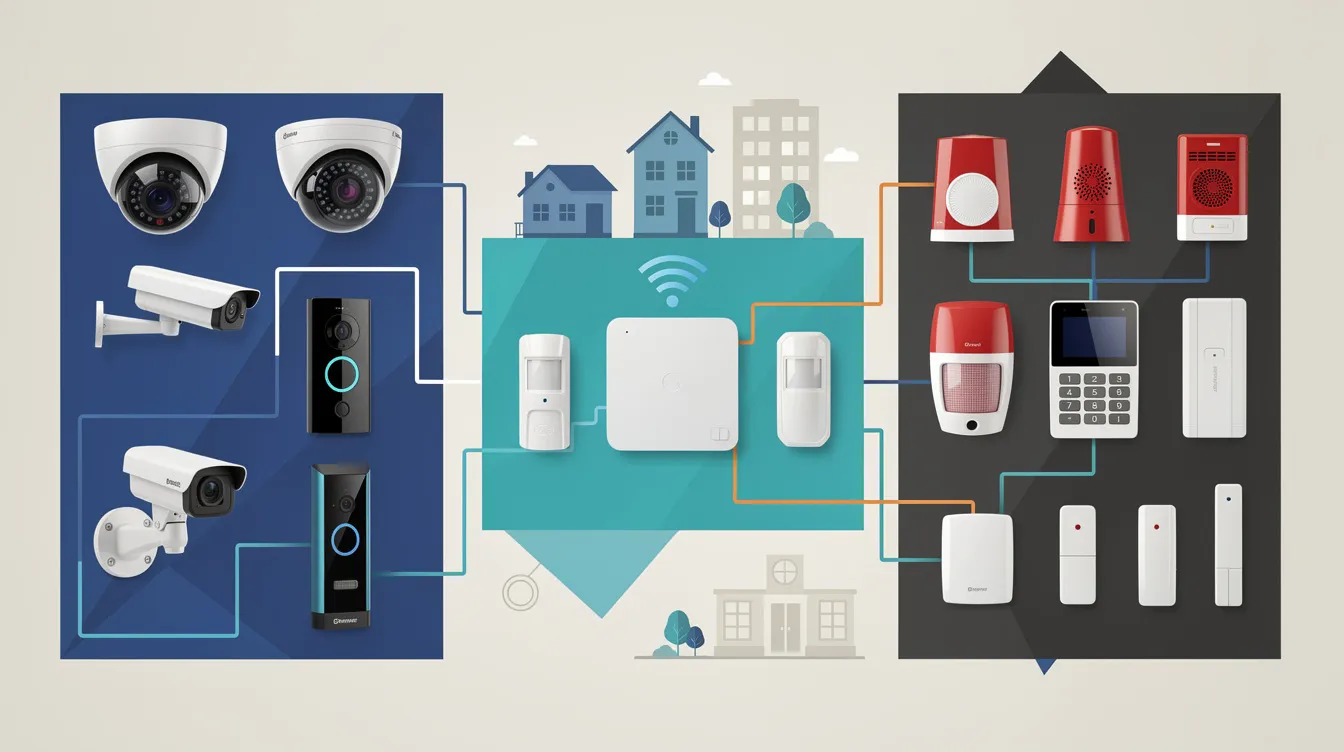
Home security systems are designed to protect your property and loved ones from various threats, such as burglaries, fires, break-ins, and other emergencies. These systems can be broadly categorized into two types: monitored and unmonitored systems.
Unmonitored systems, also known as self-monitored systems, use devices such as security cameras, smoke detectors, motion detectors, and an alarm system to alert you directly. Each device plays a role in detecting threats and notifying the user. The responsibility of responding to these alerts falls on the user, which means if you miss an alarm, you might not be aware of a security issue until it’s too late. Unmonitored security systems require active user engagement to ensure safety. Users can access their system remotely via mobile apps to monitor alerts and control devices, providing added convenience and control.
On the other hand, monitored systems provide continuous surveillance by a professional alarm company. These systems come with the added benefit of:
- Immediate response from trained staff
- Assessment of the situation by the monitoring center if an alarm is triggered
- Contacting emergency services if necessary
- Ensuring a swift response from authorities
Both types of systems provide valuable security solution, but their approaches and user experiences differ significantly.
Self Monitoring Explained
Homeowners can directly manage their security with self-monitoring systems, eliminating the need for third-party assistance. These systems often save money by eliminating monthly fees, but they require homeowners to handle alert management and emergency response themselves.
Self-monitoring systems have unique workings, benefits, and potential drawbacks worth discussing.
How Self Monitoring Works
Typical components of a self-monitored security system include door/window sensors, security cameras, and motion detectors. These devices work together to detect any unusual activity around your property. Triggered alarms send alerts directly to your smartphone or control panel instead of a central station or security company. Immediate notifications enable you to act quickly, whether contacting authorities or dismissing a false alarm.
A major advantage of self-monitored systems is their flexibility. You can customize components to suit your specific needs and preferences. For example, you could place security cameras at your front door and backyard while installing motion detectors in less frequented areas. This customization ensures that your security setup is tailored to your unique requirements.
Additionally, self-monitored systems typically include user-friendly smartphone apps for easy remote management. You can monitor live feeds, receive instant alerts, and control your system remotely, whether at work or on vacation. This control offers peace of mind, as you remain connected to your home security setup.
Benefits of Self Monitoring
The clearest benefit of self-monitoring is cost savings. Homeowners can save money over time without monthly fees, unlike professional monitoring services. The initial investment in equipment might be higher, but the absence of ongoing fees makes it a more affordable option in the long run. This financial benefit is particularly appealing for those looking to secure their homes on a budget.
Self-monitoring also offers the advantage of system customization. You can select and adjust security components to meet your specific needs and preferences. Self-monitored systems provide unmatched flexibility and control, whether choosing camera placements or adding sensors. This level of personalization ensures that your home security setup is uniquely tailored to your requirements.
Drawbacks of Self Monitoring
Despite its benefits, self-monitoring introduces significant responsibilities. You must manage all alerts and take appropriate action during emergencies. This involvement can be challenging, especially if you’re unavailable or miss an alert. Relying on user availability can result in missed critical alerts if you’re busy or unreachable, raising the risk of security breaches.
Broadband dependence for receiving alerts is another drawback. A failed internet connection could delay notifications about security events. Such dependency can create vulnerabilities, particularly in areas with unreliable internet service. Managing the system demands constant awareness and readiness to respond, which may not suit everyone.
Lastly, self-monitoring systems lack the direct connection to emergency services that professional systems provide. During emergencies, you must contact authorities yourself, potentially delaying response times. The absence of immediate professional oversight can be a critical disadvantage in time-sensitive situations.
Professional Monitoring Detailed
Self monitoring vs professional monitoring home security – self monitoring explained
Professional monitoring offers comprehensive security with continuous surveillance by trained professionals. Unlike self-monitoring, which places responsibility on the homeowner, professional monitoring involves constant oversight by an alarm response center.
Professional monitoring offers distinct methods, advantages, and disadvantages that merit examination.
How Professional Monitoring Works
Professional monitoring systems connect alarms to a central station monitoring response center, ensuring quick assessment by security teams. When activated:
- The monitoring center receives the alert within 30 to 45 seconds.
- Trained personnel evaluate the situation.
- Appropriate actions are taken, such as contacting emergency services or notifying the homeowner.
In most cases, the monitoring center is able to assess and respond to alerts within seconds, ensuring timely intervention.
24/7 surveillance from professional monitoring offers several key benefits:
- Your home is always under watch, regardless of your availability.
- Constant oversight ensures prompt response to potential threats, even if you miss an alert.
- Users receive real-time notifications on their smartphones, keeping them informed about any security events.
Professional monitoring services often include regular system testing and maintenance to ensure optimal performance. This proactive approach identifies and resolves issues before they become significant, adding security service and peace of mind for homeowners.
Benefits of Professional Monitoring
A primary benefit of professional monitoring is the immediate response from authorities during emergencies. When an alarm triggers, the monitoring center quickly verifies the threat and contacts emergency services, the fire department, and the police for a swift response. This rapid action is crucial in time-sensitive situations like fires or break-ins.
Professional monitoring provides peace of mind, with trained personnel always watching over your home. Continuous oversight allows you to focus on other aspects of life without worrying about missing alerts or responding to emergencies.
Integration with smart home devices and other smart home devices allows seamless management of your security system, enhancing functionality and convenience.
Drawbacks of Professional Monitoring
Despite its advantages, professional monitoring has several drawbacks. The most significant drawback is cost, with monthly fees typically ranging from $20 to $80. These ongoing expenses add up over time, making professional monitoring more expensive than self-monitoring. For some homeowners, these costs can become a financial burden.
Another disadvantage is the potential loss of control over your security system. Professional monitoring relies on the monitoring center to manage alerts and respond to emergencies. This reliance can concern those who prefer direct control over their home security.
Moreover, contracts for professional monitoring often involve long-term commitments, limiting flexibility and locking you into extended service periods.
Comparing Costs
Comparing the costs of self-monitoring and professional monitoring requires considering both initial and ongoing expenses. Self-monitoring systems usually have lower initial costs, ranging from $200 to $600, and no monthly fees. This affordability appeals to budget-conscious homeowners. In contrast, professional monitoring services charge monthly fees between $25 and $60, accumulating over time.
However, professional monitoring can reduce homeowners insurance premiums due to enhanced security. Additional costs for professional monitoring may include:
- Equipment financing fees
- Varying contract lengths influencing monthly fees
- Reinstallation fees upon moving
- Potential municipal fees for monitored alarm systems.
Factor these extra cost into your decision-making to choose the most certain word file pricing cost-effective solution for your needs.
Installation Options
Self monitoring vs professional monitoring home security – comparing costs
DIY installation for self-monitored systems can be cost-effective but requires homeowners to manage the entire setup process. Taking a course or following a step-by-step tutorial can help ensure proper installation and a thorough understanding of the system. The complexity and time required can vary based on the number of components, and mistakes can occur if the customer is unsure about the installation process. However, cost savings and a sense of accomplishment can make DIY installation appealing for many.
Professional installation typically comes with additional fees ranging from $49 to $249, depending on the service provider. Customers opting for professional installation benefit from expert setup and a tutorial on system use. This option ensures correct installation and provides peace of mind knowing professionals handled the setup.
Ultimately, choosing between DIY and professional installation depends on your comfort with technology and willingness to invest time and effort.
Integration with Smart Home Devices
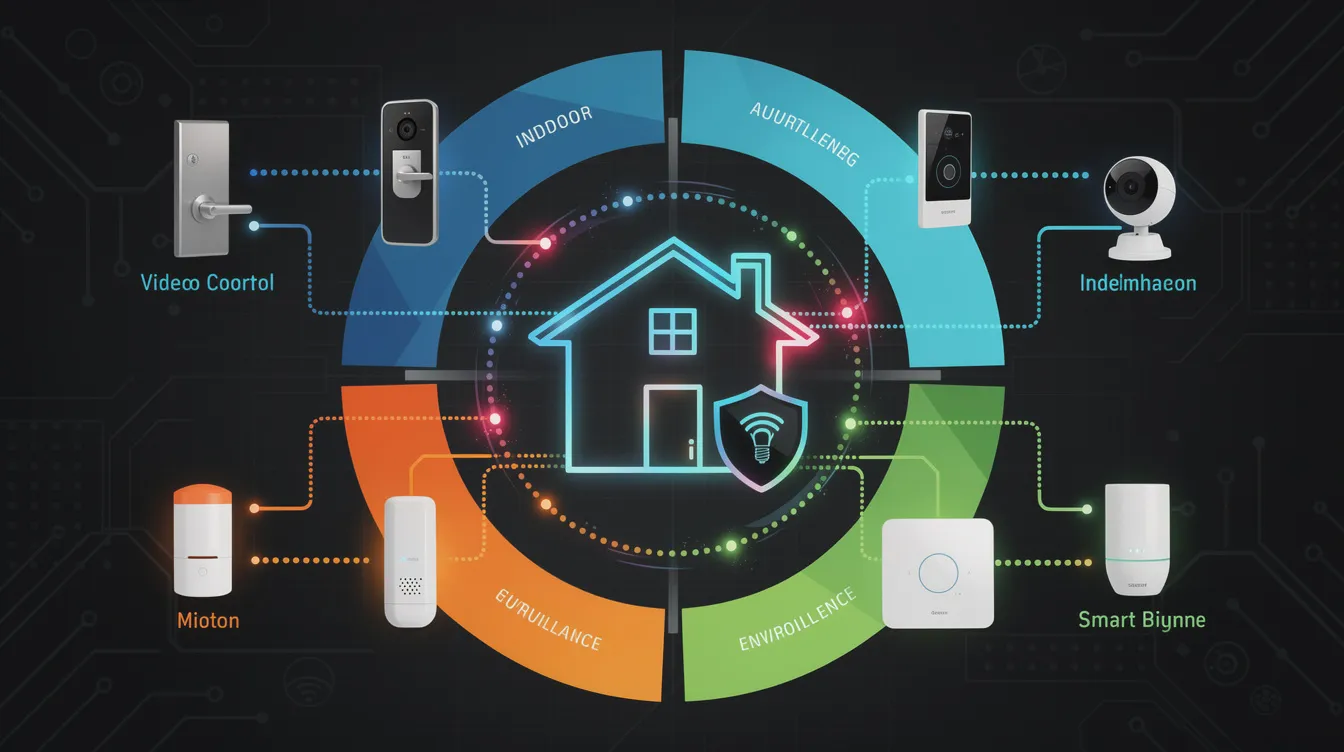
Modern home security systems integrate with various smart home devices, enhancing functionality and convenience. They connect with smart lights, locks, and thermostats to create automated routines that improve home security and energy efficiency. For example, set your security system to turn on lights and lock doors when arming the alarm, creating a seamless and secure environment.
Specific integrations include ADT’s partnership with Google Nest, simplifying security management through voice control and scheduling. Vivint integrates with both Google Assistant and Amazon Alexa, enhancing control over smart devices within the security system.
Abode supports Apple HomeKit, enabling seamless automation with Apple devices, Alexa, and Google Home. These integrations simplify managing your home security system and other smart devices from a single platform, enhancing overall security and convenience.
Choosing the Right System for Your Needs
Choosing the right home security system hinges on your personal preferences and lifestyle. If you value control and customization, a self-monitored system could be ideal. These systems offer:
- The ability to determine the level of oversight needed
- Flexibility in choosing and adjusting security components
- Optional professional monitoring, allowing you to switch between self and professional monitoring based on your needs.
On the other hand, if you prefer peace of mind and immediate response during emergencies, we recommend professional monitoring as the better choice. The constant oversight by trained personnel ensures that any potential threats are addressed promptly, even if you’re unavailable, providing a reliable added layer of protection.
Ultimately, the decision comes down to your comfort level with managing your security system and your willingness to invest in ongoing monitoring fees. For the full scoop on home security options, be sure to review all features, costs, and monitoring choices before making your decision.
Top Recommendations for Home Security Systems
When it comes to professional monitoring, here are some top recommended home security systems:
- Vivint: Offers high-quality equipment, requires professional installation, and provides 24/7 monitoring services.
- ADT: A long-established player in the industry, offering professional monitoring and installation for robust security solutions.
- Frontpoint: Suitable for those who prefer to install their own system but still want the benefits of professional monitoring.
For those leaning towards self-monitoring, SimpliSafe is a popular choice. It allows for self-monitoring and offers contract-free professional monitoring if desired.
Abode is another great option, particularly for users invested in Apple HomeKit, as it supports seamless automation with Apple devices. Ring Alarm is ideal for those looking for high-quality security cameras and video doorbells to enhance their home security.
These top recommendations provide a range of options to suit different preferences and needs.
Summary
Choosing between self-monitoring and professional monitoring home security systems depends on your individual needs and lifestyle. Self-monitoring offers cost savings and customization but requires constant vigilance. Professional monitoring provides peace of mind and immediate emergency response but comes with higher ongoing costs. By understanding the mechanics, benefits, and drawbacks of each system, you can make an informed decision that best protects your home and loved ones.
Frequently Asked Questions
What is the main difference between self-monitoring and professional monitoring?
The main difference is that self-monitoring relies on homeowners to manage alerts and respond to emergencies, whereas professional monitoring offers continuous surveillance by trained staff who can contact emergency services when necessary.
Are there any cost benefits to choosing self-monitoring over professional monitoring?
Self-monitoring systems offer significant cost benefits due to their lower initial setup costs and absence of monthly fees, making them more budget-friendly than professional monitoring options. This approach can lead to substantial savings over time.
What are the drawbacks of self-monitoring?
Self-monitoring can be challenging as it shifts the responsibility of managing alerts and responding to emergencies onto the homeowner, relies heavily on broadband connectivity, and does not connect directly to emergency services for immediate assistance.
How does professional monitoring ensure immediate response during emergencies?
Professional monitoring ensures immediate response during emergencies by connecting alarms to a central response center, where trained personnel quickly assess the situation and promptly contact emergency services when needed. This rapid communication facilitates a timely intervention to manage the crisis effectively.
Can I switch from self-monitoring to professional monitoring if needed?
Yes, you can switch from self-monitoring to professional monitoring with many systems that provide this flexibility, allowing you to adapt to your changing needs.