Biometric vs keypad safe: which one should you choose? This article will explore their key differences in security, ease of use, and reliability to help you make an informed decision.
Key Takeaways
- Biometric safes offer faster access and enhanced security through fingerprint recognition, making them ideal for users prioritizing convenience.
- Keypad safes rely on numeric codes for access and require regular battery maintenance, but they provide reliable performance in various environments.
- Choosing the right safe depends on factors like item type, accessibility needs, and environmental conditions, with biometric options accommodating multiple users and offering quick access.
Understanding Biometric Safes
Biometric vs keypad safe – key takeaways
Biometric safes rely on fingerprint recognition, utilizing an individual’s unique fingerprint as the access key. This technology ensures that only authorized users can open the safe by scanning their registered fingerprint. This method is not only secure but incredibly convenient, as there’s no need to remember a combination or keep track of a key.
The primary advantage of biometric safes is their access speed. In urgent situations, being able to unlock your safe with a single touch can be a lifesaver. Unlike traditional keys or passcodes, fingerprints cannot be easily lost or replicated, enhancing security.
Biometric safes are specifically designed to protect valuables, documents, and sensitive items from unauthorized access.
This makes biometric safes particularly appealing for those who prioritize quick and secure access.
Biometric technology is not limited to safes; it’s increasingly used in various fields, from smartphones to security systems, highlighting its growing integration in ensuring convenience and security in our daily lives. Adopting biometric safes means leveraging advanced technology for protecting your valuables while enjoying their ease of use.
Keypad Safes: How They Work
Keypad safes operate on a straightforward principle: users enter a numeric code on an electronic lock to gain access. These safes feature a keypad where the designated code must be inputted correctly to unlock the safe. The security of a keypad safe relies heavily on the secrecy and complexity of the code chosen by the user.
One of the challenges with keypad safes is ensuring the battery life and reliability of the electronic locks. Maintaining the battery regularly is essential; a drained battery can block access to the safe. In more sophisticated models, incorrect code entries can lock users out temporarily or trigger alarms, adding an extra layer of security.
Despite these challenges, keypad safes remain a popular choice due to their familiarity and ease of use. They provide a reliable method of securing valuables, especially when equipped with high-quality electronic locks and regularly maintained batteries.
Comparing Security Features
Biometric vs keypad safe – keypad safes: how they work
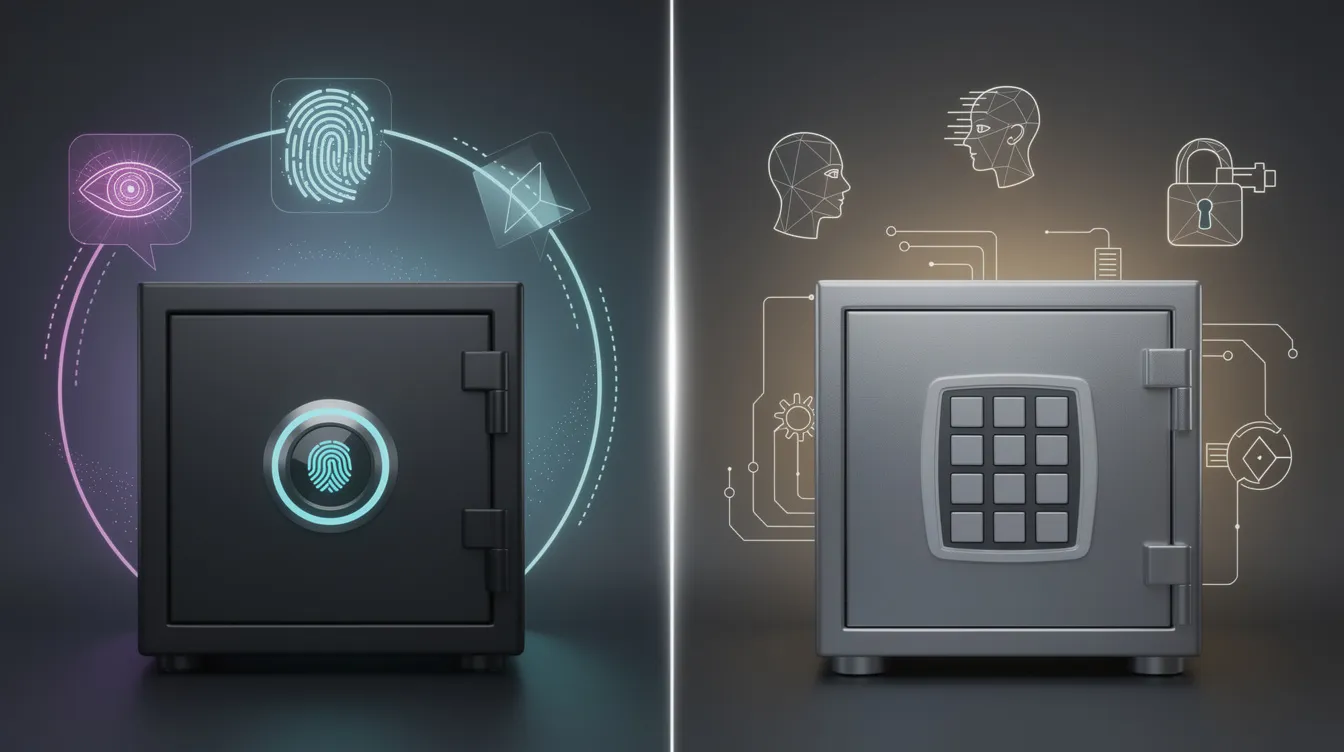
When comparing biometric safes to keypad safes, security is a paramount concern. Biometric safes often utilize advanced fingerprint recognition technology, which can be more challenging for unauthorized users to bypass compared to traditional keypad safes. This makes biometric safes highly secure, as they require unique physical attributes that are difficult to replicate.
Keypad safes, on the other hand, can be susceptible to brute-force attacks if users choose weak combinations, which is the wrong approach. However, they generally offer greater stability under varying environmental conditions, making them a reliable choice in diverse settings.
Some high-security safes, including both biometric and keypad models, are specifically designed to meet government specifications for protecting sensitive information and assets.
The quality of locks in both types of safes plays a crucial role in preventing unauthorized access, keeping the change of safety for your valuables. Be sure to check the quality of the safe locks regularly, as they serve as a model for security standards.
Electronic Locks and Power Issues
Electronic locks in both biometric and keypad safes rely on battery power. Key points include:
- The typical lifespan of a nine-volt battery in an electronic keypad lock is between 8,000 to 10,000 openings.
- Regular battery replacement is essential to maintain the reliability and quick access of the safe.
- Ideally, batteries should be replaced every six to twelve months.
For some electronic lock models, a reset box may be required to restore functionality if the system becomes locked or unresponsive.
A weak battery might cause the keypad to light up and the lock to make sounds, but insufficient power could prevent the safe from opening. For optimal performance, using high-quality alkaline batteries like Duracell or Energizer is recommended. This ensures the electronic locks function smoothly, preventing unexpected lockouts.
Non-volatile memory in keypad safes retains passcodes, ensuring accessibility even with a depleted battery. This feature adds reliability, especially during power outages, making keypad safes dependable for secure storage.
Reliability in Various Circumstances
Environmental conditions can affect the reliability of biometric and keypad safes. Keypad safes generally offer greater stability and consistent performance in various environments. However, their effectiveness can diminish if the keypad gets wet or dirt accumulates around the keys.
While biometric safes offer rapid access, they have several potential vulnerabilities and limitations:
- Their advanced sensor technology can be vulnerable to electronic failures and hacking.
- Effectiveness can be compromised if the user’s finger is wet, dirty, or injured, potentially delaying access.
- Power outages can render electronic locks in biometric safes inoperable without backup access methods.
Reliability in emergency situations is critical for both types of safes. Biometric safes offer quick access, but sensors must function properly under optimal conditions. With mechanical reliability, keypad safes can provide a more stable option in various environments, making them practical for many users.
Access Speed and Convenience
In urgent moments, speedy access to your safe is crucial. Biometric safes excel, allowing access with a single touch. In emergencies where every second counts, they provide a quick and secure way to retrieve valuables.
Placing your safe in a specific room, such as a bedroom or living area, can further enhance both accessibility and security, ensuring you can reach your valuables quickly when needed.
Keypad safes also offer efficient access methods under stress. Users can quickly enter a PIN code, often simpler and faster for those used to numeric keypads. However, this method might take a bit more time compared to biometric safes’ instant access.
Biometric safes’ user-friendliness is another significant advantage. They eliminate the need for codes or keys, beneficial for individuals who struggle with memory challenges. This quick access and ease of use make biometric safes compelling for those seeking security and convenience.
Cost and Value for Money
Biometric vs keypad safe – access speed and convenience
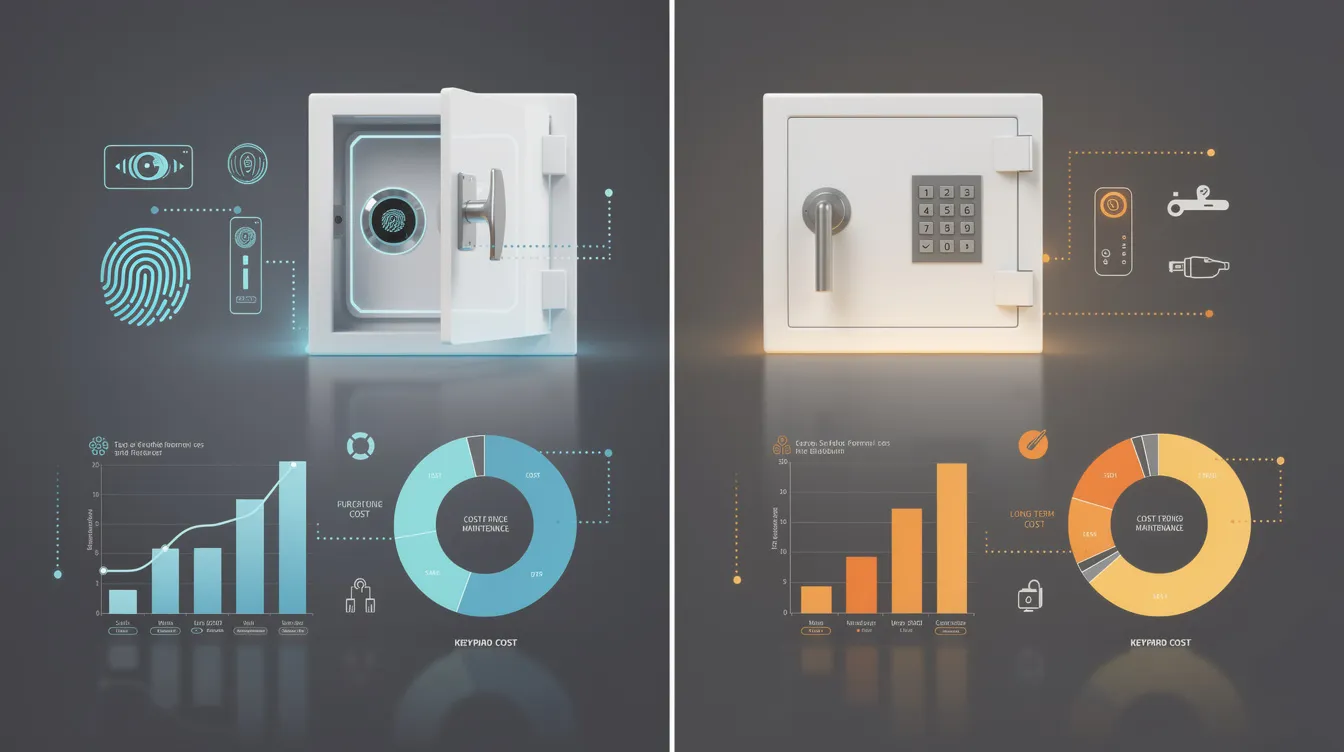
Biometric safes generally have a higher initial purchase price compared to keypad safes. The higher cost is often due to the advanced technology and components in biometric safes. However, their long-term value can justify the investment for users who prioritize security and quick access.
Maintaining biometric safes may involve additional costs for their complex electronic components and regular battery replacements. Despite higher maintenance costs, the enhanced security and convenience of biometric safes can provide significant value for those who prioritize these features.
For those focused on security and convenience, investing in a biometric safe can be worth the additional cost compared to a keypad safe. Advanced security features, quick access, and user-friendly design make biometric safes a valuable investment for protecting valuables.
Choosing the Right Safe for Your Needs
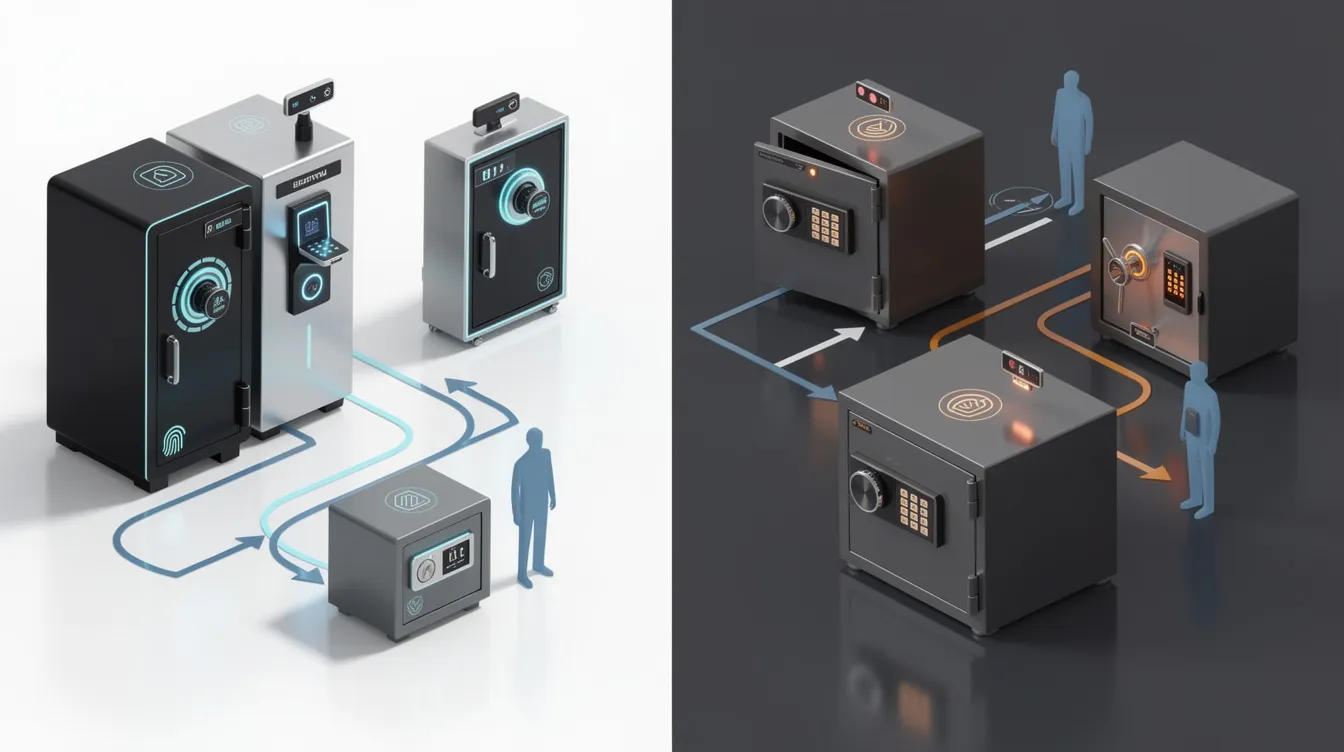
Selecting the right safe involves considering factors like types and quantities of items you need to store. For example, a small safe might suffice for jewelry, while a larger one would be necessary for firearms. Future planning matters too; choosing a safe that can accommodate future acquisitions ensures long-term usefulness.
Accessibility and the number of people users can read are critical considerations. For frequent access to items like cash or documents, a smaller, conveniently located safe might be ideal. The number of users can influence your choice; biometric safes can store multiple fingerprints for shared access, enhancing their functionality.
For business environments, it’s important to look for safes with higher capacity and advanced security features to safeguard assets, documents, and valuables essential to commercial operations.
Finally, consider physical space and environmental factors for safe placement:
- Measure the available space and consider any obstructions to ensure the safe fits well in the intended location.
- Avoid areas prone to moisture or extreme temperatures to protect sensitive items.
- Consider the weight of the safe, particularly for upper floors, to ensure the flooring can support its load.
Summary
In summary, both biometric and keypad safes offer unique advantages and challenges. Biometric safes provide quick access, enhanced security, and user-friendly design, making them ideal for users who prioritize these features. However, they come with a higher initial cost and maintenance requirements. Keypad safes, while potentially less secure, offer reliable performance and stability under various conditions, often at a lower cost.
Ultimately, the best safe for your needs will depend on your specific requirements, including the types of items you need to store, the number of users, and the environmental conditions of the safe’s location. By carefully considering these factors, you can select a safe that provides the right balance of security, convenience, and value for money.
Frequently Asked Questions
How does a biometric safe work?
A biometric safe operates by scanning a registered fingerprint for access, unlocking only for authorized users. This technology enhances security by ensuring that only those with an approved fingerprint can open the safe.
Are keypad safes reliable?
Yes, keypad safes are reliable when properly maintained, including regular battery replacements and using a complex code for enhanced security.
What are the main advantages of biometric safes?
Biometric safes provide quick access and enhanced security through fingerprint recognition, making them user-friendly and eliminating the need for codes or keys. This combination ensures a reliable and efficient solution for safeguarding your valuables.
How often should I replace the battery in my safe?
You should replace the battery in your safe every six to twelve months to maintain reliability and ensure quick access. This will help prevent any unexpected malfunctions.
Which safe is more cost-effective in the long run?
The cost-effectiveness of a safe in the long run depends on your specific needs; biometric safes offer enhanced security and convenience that may justify their higher initial cost, while keypad safes provide reliable performance at a lower upfront expense. Consider your priorities to determine which option is best for you.