ANSI lock grades explained help assess a lock’s security and durability. These grades assist you in choosing the right lock for commercial buildings, office spaces, or low-risk areas at home. This article will detail the differences between Grade 1, Grade 2, and Grade 3 locks.
Key Takeaways
- The ANSI grading system classifies locks into three grades (1, 2, and 3) based on security needs, with Grade 1 providing the highest security (the highest grade) for high-traffic areas, Grade 2 offering a balance of security and cost for moderate traffic, and Grade 3 being suited for low-risk environments (the lowest grade).
- Rigorous testing standards assess operational performance, strength, and security of locks to ensure reliability and durability, with specific cycles and resistance requirements for each ANSI grade.
- Choosing the appropriate ANSI grade involves evaluating security needs and budget constraints, where Grade 1 is optimal for demanding environments, Grade 2 for moderate use, and Grade 3 for economical solutions in low-risk applications.
Understanding ANSI Lock Grades
Ansi lock grades explained – key takeaways
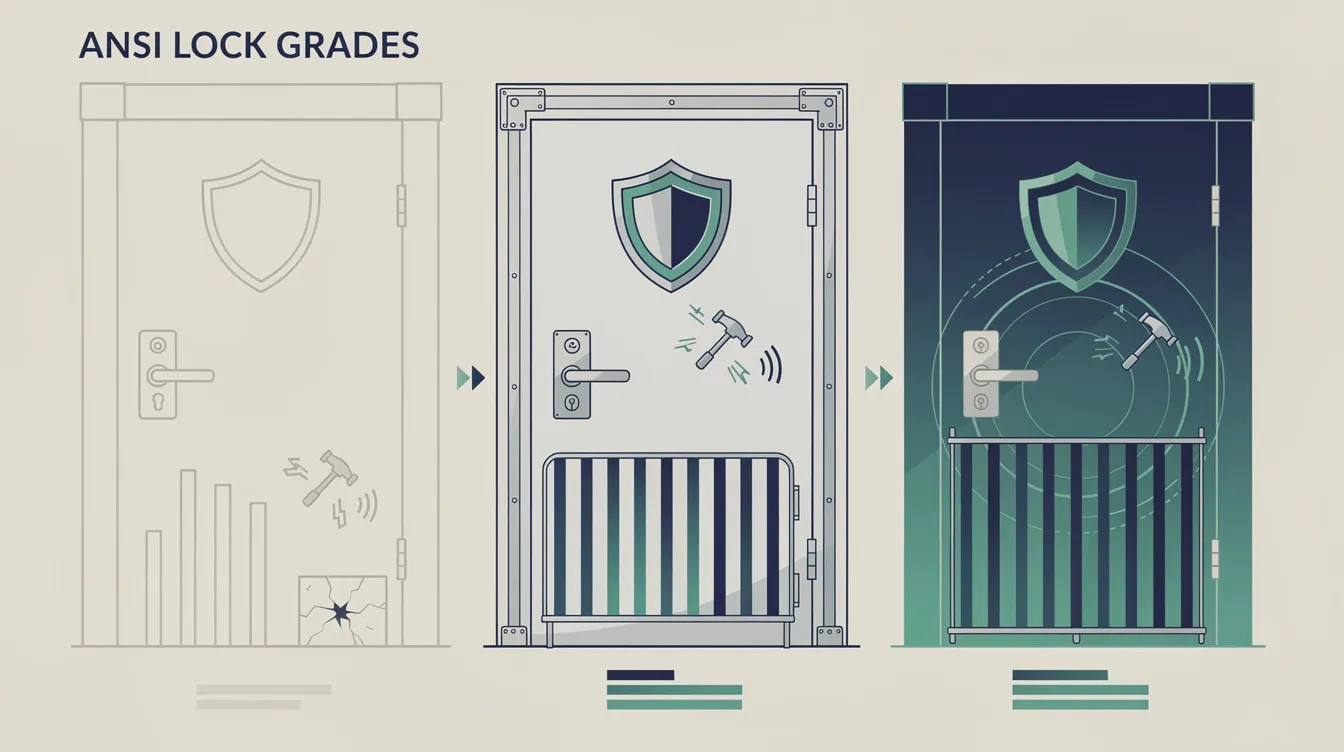
The ANSI grading system, established by the American National Standards Institute—a non-profit group responsible for setting industry standards—ensures that selected hardware meets specific application demands, emphasizing strength and durability. This system encompasses three distinct product grade levels, each defined to different security needs and usage scenarios:
- Grade 1: Offers superior performance and security, ideal for high-traffic and high-security environments such as commercial buildings and schools.
- Grade 2: Provides a balanced approach, offering moderate security at a more affordable price, making it suitable for offices and residential properties.
- Best grade 3: Designed for basic applications, providing minimal security and durability for low-risk areas like interior doors.
The importance of ANSI grades cannot be overstated. They act as indicators of reliability and resilience against forced entry, giving consumers a benchmark to measure lock performance. Security hardware, such as locks and deadbolts, are evaluated under these standards. Knowledge of these grades allows consumers to make informed choices based on their specific security needs. The ANSI/BHMA A156.13 standard outlines the categories for lock testing, including operational and security assessments, which are essential in determining lock grades, as recognized by Underwriters Laboratories. Accessibility is also a key factor in hardware testing and grading criteria, ensuring products can be operated by individuals with varying physical abilities.
ANSI grading involves rigorous and multifaceted testing performance standards, including:
- Operational and cycle tests, which evaluate the lock’s ability to function over extended use
- Strength tests that measure the lock’s resistance to physical force
- Security tests that simulate forced entry attempts, ensuring the lock can withstand tampering and break-in efforts through voluntary standardization.
Together, these tests provide a comprehensive evaluation of a lock’s performance, offering peace of mind to consumers and ensuring the right hardware is chosen for the right application.
Overview of ANSI Grade 1 Locks
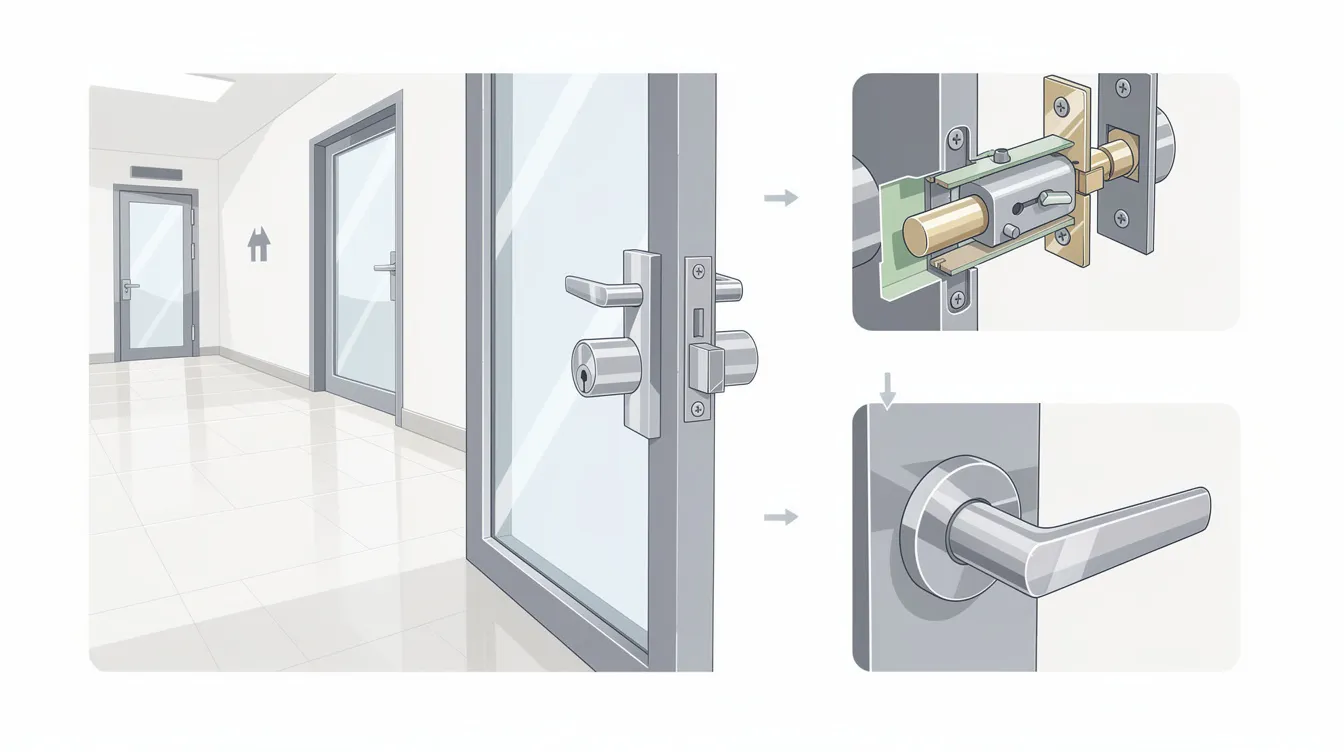
When it comes to the highest level of security and durability, Grade 1 locks set the benchmark. Key features include:
- Expected to endure over one million operational cycles, ensuring longevity in high-usage scenarios such as commercial buildings and schools.
- Crafted by the American National Standards Institute (ANSI) to meet the most stringent security standards.
- Suitable for environments that require maximum protection.
Grade 1 locks are known for their exceptional durability and security, making them ideal for high-traffic areas. These locks are designed to offer robust protection against tampering, picking, and forced entry due to their reinforced components. Whether it’s securing entry points to hospitals, schools, factories, or government buildings, Grade 1 locks provide the reliability and strength needed to withstand constant use and potential threats.
Typical applications of Grade 1 locks include high-security settings where durability and performance are essential. They are particularly effective in high-traffic areas such as commercial buildings, where the locks must endure frequent usage without compromising security in various commercial applications.
Choosing ANSI Grade 1 locks ensures the highest level of protection, safeguarding against unauthorized entry and maintaining the safety of occupants.
Key Characteristics of ANSI Grade 2 Locks
Ansi lock grades explained – overview of ansi grade 1 locks
Balancing security and cost, Grade 2 locks offer a reliable solution for moderate traffic areas. These locks strike a balance between cost-effectiveness and solid performance, making them an attractive option for everyday use in various settings. While they do not offer the same level of security as Grade 1 locks, they provide a dependable alternative for less demanding environments.
Grade 2 locks are typically utilized in environments with moderate traffic, such as offices and retail spaces. Their characteristics include:
- Durability that allows them to withstand normal wear and tear
- Providing adequate security for standard applications
- Common use in office buildings and residential properties
- Offering a balance of security and affordability, which is crucial for these settings
In terms of performance, Grade 2 locks offer reliable security for everyday use. They can endure significant usage without failing, making them suitable for areas that do not require the highest level of security but still need robust protection. Choosing ANSI Grade 2 locks provides a good mix of security and cost-effectiveness, ideal for many business and residential applications.
Basic Features of ANSI Grade 3 Locks
For those seeking basic protection, Grade 3 locks offer an economical choice. These locks are classified as providing the minimum level of security among ANSI ratings, making them ideal for low-risk or internal areas. As the lowest grade, Grade 3 locks are designed to withstand only two strikes during testing, which limits their resistance to forced entry. While they do not offer the same level of security as Grade 1 or Grade 2 locks, they provide a sufficient level of protection for less critical applications.
Grade 3 door locks are best suited for locations such as bathroom doors or storage closets that do not require high-security measures. They offer a basic level of security, sufficient for areas where the risk of forced entry is minimal. These locks are often chosen for their affordability, providing a cost-effective solution for homeowners and businesses looking to secure low-risk areas without investing in higher-grade locks.
The affordability aspect of Grade 3 locks is one of their most significant advantages. Choosing these locks allows consumers to achieve basic protection at a lower cost, making them practical for secondary security applications while maintaining quality.
While they are not suitable for exterior doors or high-security areas, Grade 3 locks provide an adequate level of security for internal use, ensuring that all areas of a building are appropriately secured.
Performance Testing for ANSI Grades
Ansi lock grades explained – basic features of ansi grade 3 locks
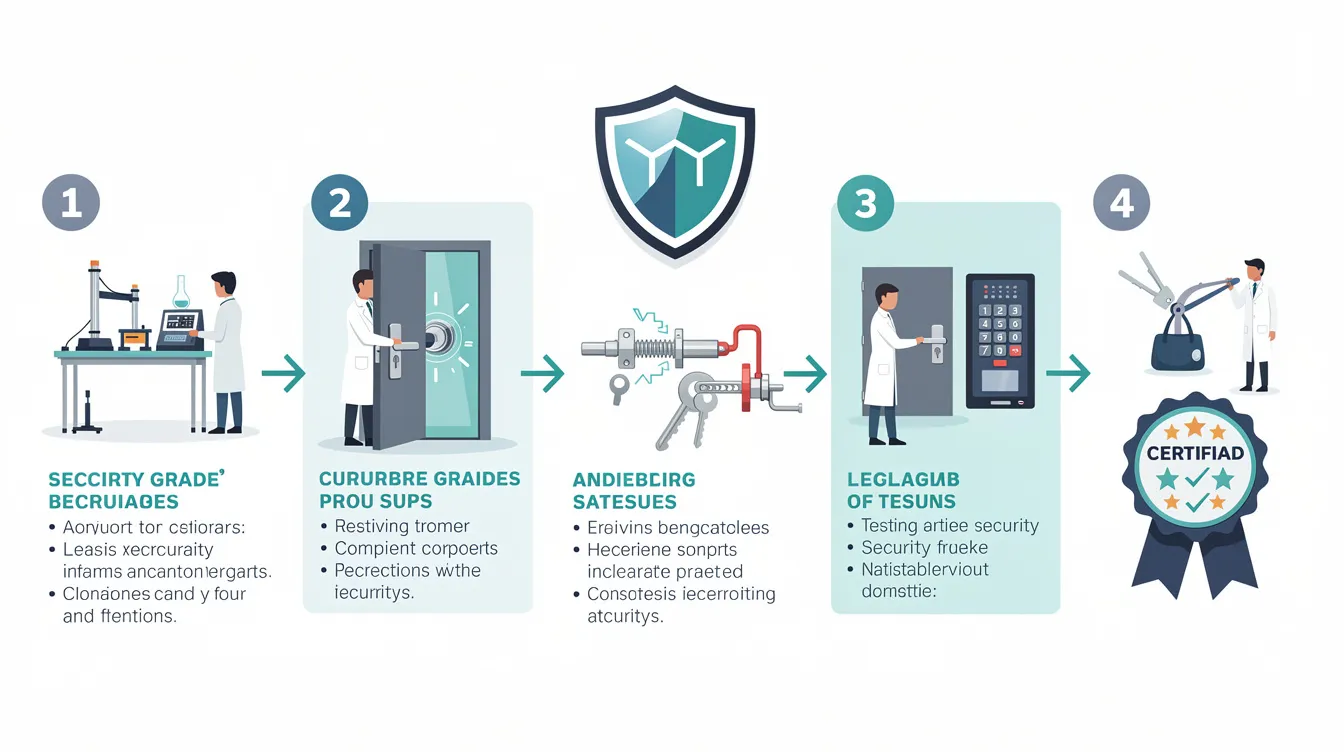
The rigorous testing processes for ANSI grades ensure that door hardware meets the highest standards of performance and security. These tests include:
- Operational evaluations
- Cycle evaluations
- Strength evaluations
- Security evaluations
- Material evaluations Each contributes to the overall grade of the lock. Undergoing these extensive tests validates locks for reliability and durability, giving consumers confidence in their hardware choice.
Operational and cycle testing requirements vary between grades. For example, Grade 1 locks require testing for one million operational cycles, while Grades 2 and 3 require 800,000 cycles. These tests ensure that the locks can endure extensive use without malfunctioning, making them suitable for high-traffic and high-security environments. The operation tests assess the lock’s ability to function smoothly over time, while the cycle tests measure its endurance under repeated use. Latch operation is also tested to ensure smooth and secure closure, with minimal force required for latching and unlatching. Additionally, rotational force is measured to assess the ease of retracting door latches and levers, supporting accessibility and smooth operation.
Strength testing procedures are equally critical. Locks must withstand a minimum force of 360 pounds applied to the lever, ensuring they can resist significant physical force without failing. These tests are designed to simulate real-world conditions, ensuring that the locks can withstand the demands of everyday use in various environments. The strength tests measure the lock’s ability to maintain its structural integrity under pressure, providing an essential benchmark for durability and reliability, including the performance of the bolt.
Security testing methods evaluate the lock’s resistance to forced entry, using various impact methods to simulate break-in attempts. These tests assess how well the locks can withstand tampering and forced entry, with different grades tolerating varying numbers of blows. The cylinder face is subjected to attack methods, such as ramming, to assess its strength and resilience against direct assaults. Tools, such as picking tools, are also used during tests to evaluate the lock’s resistance to manipulation and picking. Seven different forms of attacks are used to evaluate the security of ANSI locks, ensuring consistent assessment across different grades:
- Various impact methods to simulate break-in attempts
- Assessment of resistance to tampering
- Evaluation of tolerance to varying numbers of blows
- Use of seven different forms of attacks
- Consistent assessment across different grades
- Verification of protection against unauthorized access
- Addition of a critical layer of security
Material evaluations are conducted to ensure the durability of lock components. Impact resistance is also tested using a pointed probe to assess the durability and strength of lock materials and trim.
Passing these tests shows that locks can protect against unauthorized access, adding a critical layer of security.
Material and Finish Standards
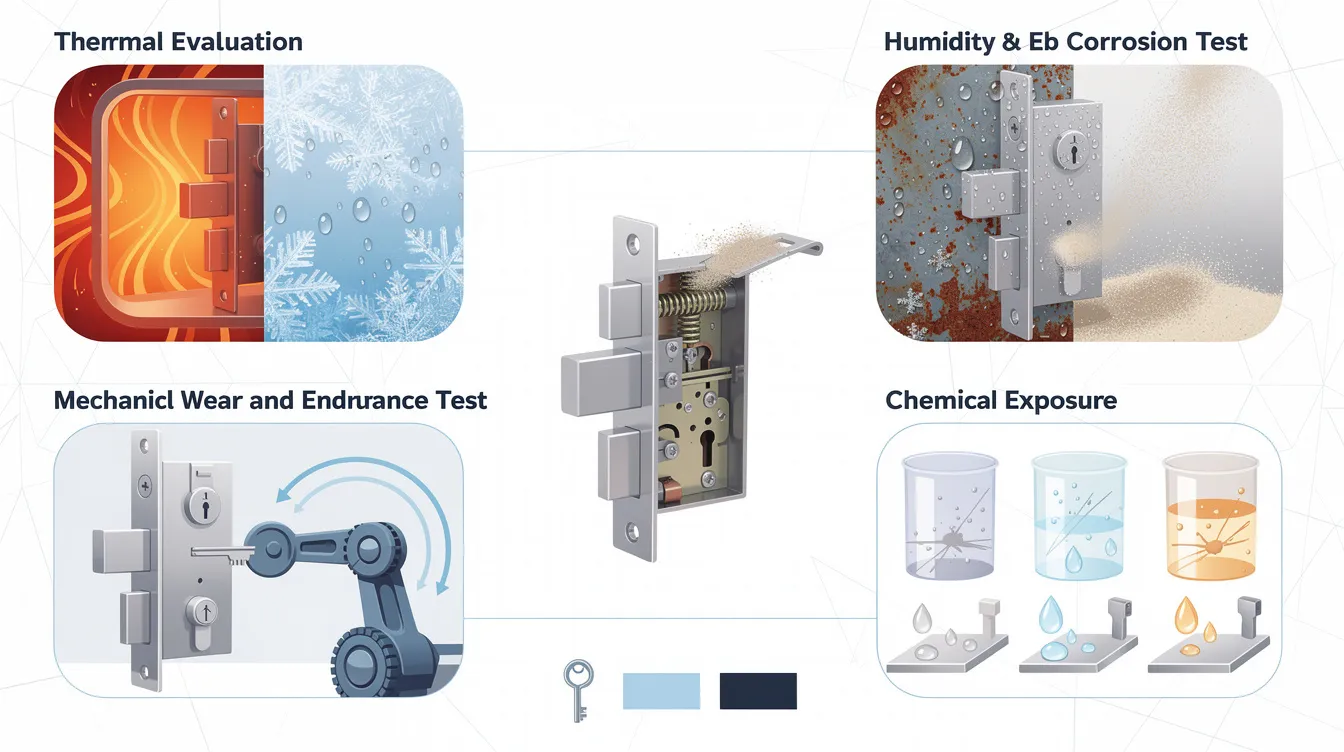
Material evaluation is a crucial aspect of assessing lock durability. These tests ensure that the physical components meet impact resistance standards, which vary depending on the grade of the lock. By evaluating the materials used in the construction of the locks, manufacturers can guarantee that the hardware will withstand the demands of its intended application, providing long-lasting security and reliability.
Finish testing is equally important for maintaining the appearance and performance of door hardware. Locks must maintain an acceptable appearance after exposure to various environmental conditions, including UV rays and cleaning agents. The type of finish applied to the hardware can significantly impact its durability and resistance to corrosion. Certain finishes, like 316 stainless steel, provide superior resistance to corrosion, making them ideal for coastal environments. Powder-coated finishes can provide a matte or satin appearance, effectively hiding fingerprints and scratches while maintaining a clean look.
The impact of finishes on the durability and aesthetics of door hardware cannot be overlooked. Living finishes, such as oil-rubbed bronze, develop a unique patina over time, enhancing their visual appeal. These finishes add an element of style while ensuring the hardware remains functional and attractive throughout its lifespan.
Selecting the right material and finish ensures that door hardware performs well and complements the building’s aesthetic.
Choosing the Right ANSI Grade for Your Needs
Selecting the appropriate ANSI grade for door hardware requires careful consideration of security needs, building types, and budget constraints. Evaluating the expected usage and necessary security level is crucial in making an informed decision. The role of the hardware in a building, such as its location and the potential for misuse, should also be assessed to determine the necessary ANSI grade.
Each ANSI/BHMA grade corresponds to a product’s ability to pass specific performance tests, providing valuable guidance for choosing the right hardware. Investing in the correct ANSI grade can lead to long-term benefits, such as lower maintenance costs and enhanced security against unauthorized access. Grade 1 locks, for example, offer the highest level of security and durability for demanding environments, while Grade 2 locks provide a balance between security and cost.
Manufacturer literature offers additional insights into the suitability of different ANSI grades for specific installations within the industry. By understanding the performance capabilities of each grade and considering budget constraints, consumers can make well-informed decisions that ensure the safety and longevity of their door hardware. When selecting a lock, it is also important to evaluate whether to install the lock yourself or hire a professional locksmith, as proper installation is crucial for both security and functionality. Manufacturer resources are invaluable in this process, offering detailed information on the features and benefits of various ANSI grades, as outlined by the builders hardware manufacturers association.
Impact of ANSI Grades on Security and Durability
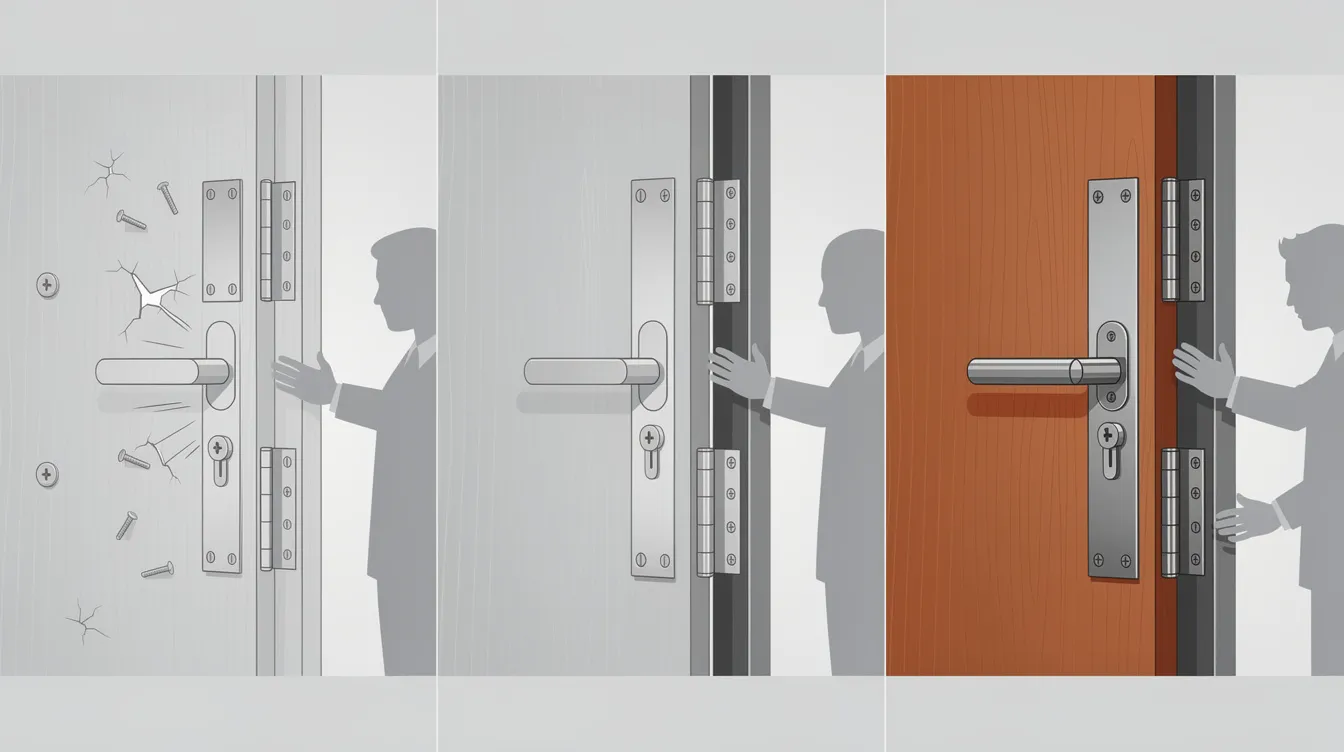
The impact of different ANSI grades on the security and durability of locks is significant. Grade 1 locks:
- Are designed to endure over a million uses
- Are ideal for high-traffic scenarios like hospitals and government buildings
- Offer the highest level of security and durability
- Are suitable for environments that require maximum protection and reliability
Grade 2 locks provide a solid level of security at a more affordable price, making them a common choice for office buildings and retail environments. They strike a balance between security and cost, offering reliable performance for everyday use in moderate traffic areas. This balance makes Grade 2 locks an attractive option for many consumers, providing adequate protection without the higher cost associated with Grade 1 locks.
However, Grade 3 locks have their limitations. They should not be relied upon for exterior doors due to their limited resistance to forced entry. These locks are best suited for low-risk or internal areas where the need for high security is minimal. Understanding each ANSI grade’s capabilities and limitations allows consumers to make informed decisions that enhance security and durability.
Summary
Understanding the ANSI lock grading system is essential for making informed decisions about door hardware. From the highest level of security offered by Grade 1 locks to the economical choice of Grade 3 locks, each grade serves a specific purpose and meets different security needs. By considering the expected usage, necessary security level, and budget constraints, consumers can choose the right ANSI grade to ensure the safety and longevity of their door hardware.
Investing in the correct ANSI grade can lead to long-term benefits, such as lower maintenance costs and enhanced security against unauthorized access. Whether securing a high-traffic commercial building or providing basic protection for a residential property, understanding the nuances of ANSI lock grades equips you with the knowledge to make the best choice for your needs. Make an informed decision today and ensure your property remains secure and well-protected.
Frequently Asked Questions
What is the ANSI grading system for door locks?
The ANSI grading system for door locks categorizes them into three grades—Grade 1, Grade 2, and Grade 3—based on their security, performance, and durability, with Grade 1 providing the highest level of security. Therefore, for optimal protection, one should consider installing a Grade 1 lock.
What environments are suitable for ANSI Grade 1 locks?
ANSI Grade 1 locks are suitable for high-traffic and high-security environments like commercial buildings, hospitals, schools, and government facilities, providing exceptional protection against tampering and forced entry.
How do ANSI Grade 2 locks balance security and cost?
ANSI Grade 2 locks offer a cost-effective solution that balances reliable security and affordability, making them suitable for various applications such as offices and residential settings. They provide sufficient performance for everyday use without the higher expense of Grade 1 locks.
When should I use ANSI Grade 3 locks?
ANSI Grade 3 locks should be used in low-risk areas, such as bathroom doors or storage closets, where basic protection is sufficient. They are an economical option for locations that do not require enhanced security.
How are ANSI locks tested for performance and security?
ANSI locks are tested through operational, cycle, strength, and security evaluations to assess their durability, resistance to physical force, and vulnerability to tampering. This comprehensive testing ensures that they meet established performance standards for security and reliability.